Silver Helichrysum Is Considered a Weed
Helichrysum petiolare
By the Greg Editorial Team
Oct 12, 2024•7 min read
This article was created with the help of AI so we can cover more plants for you. May contain errors. See one? Report it here.
Protect our ecosystems by mastering the management of invasive Silver Helichrysum! 🌱
- 🌱 Silver Helichrysum is invasive, outcompeting native plants and disrupting ecosystems.
- ⚠️ Weeds harm cultivated areas; invasive species like Silver Helichrysum threaten biodiversity.
- 🛠️ Effective management includes manual removal, monitoring, and legal obligations for landowners.
Plant Classification
Definition of "Weed" and "Invasive Species" 🌱
Weeds are often seen as the unwanted guests in our gardens, aggressively taking over cultivated areas. In contrast, invasive species are non-native plants that spread rapidly, disrupting local ecosystems and pushing out native flora.
Criteria for Classification as a Weed or Invasive 🌿
To be classified as a weed or invasive, a plant typically exhibits a few key traits. First, it has a rapid spread, allowing it to colonize new areas quickly. Second, its competitive nature means it outcompetes native plants for essential resources. Lastly, its ecological impact can be significant, altering habitats and reducing biodiversity.
Silver Helichrysum's Classification 🌼
Silver Helichrysum fits the bill as an invasive plant due to its rapid growth and resilience in poor soil conditions. This plant not only thrives where others struggle but also contributes to reduced biodiversity by outcompeting native species for space and resources.
Understanding these classifications helps us grasp the broader implications of Silver Helichrysum's presence in our ecosystems. Next, we’ll dive into how to identify this plant and distinguish it from similar species.
Identification
Key Identifying Features 🌟
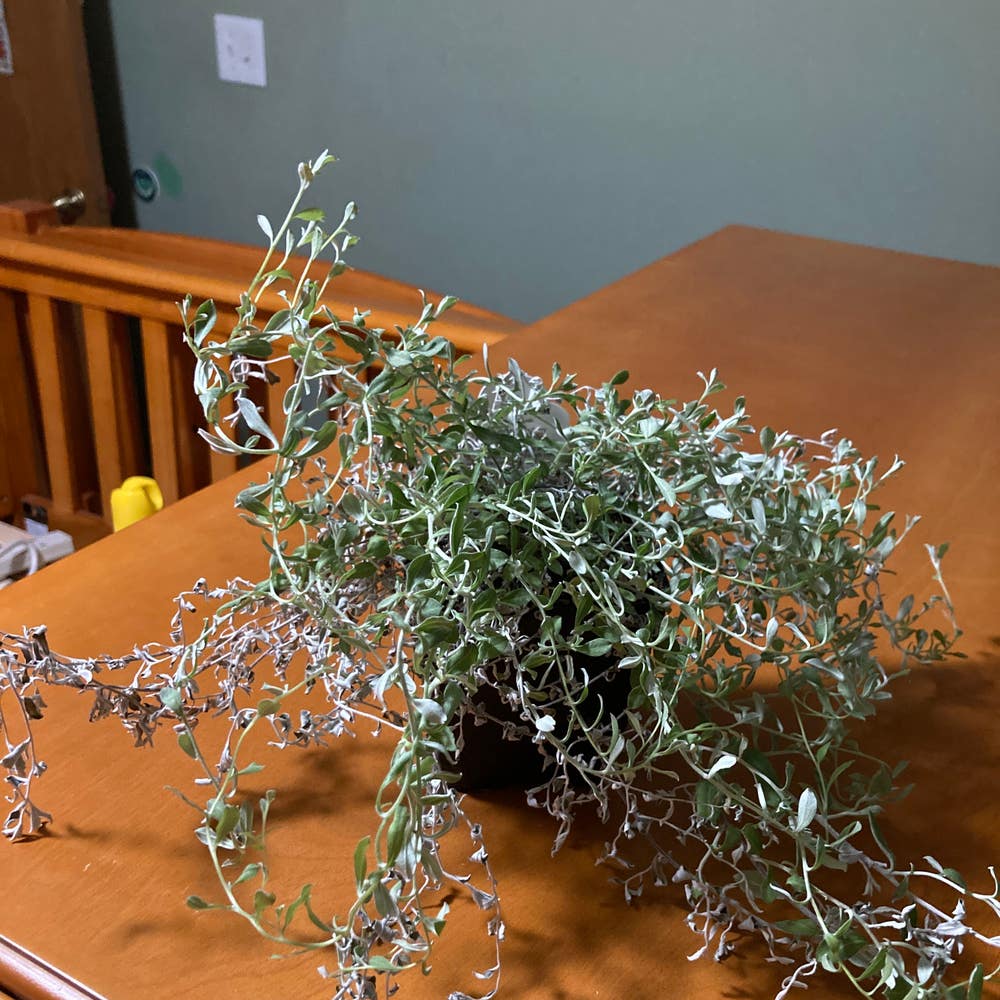
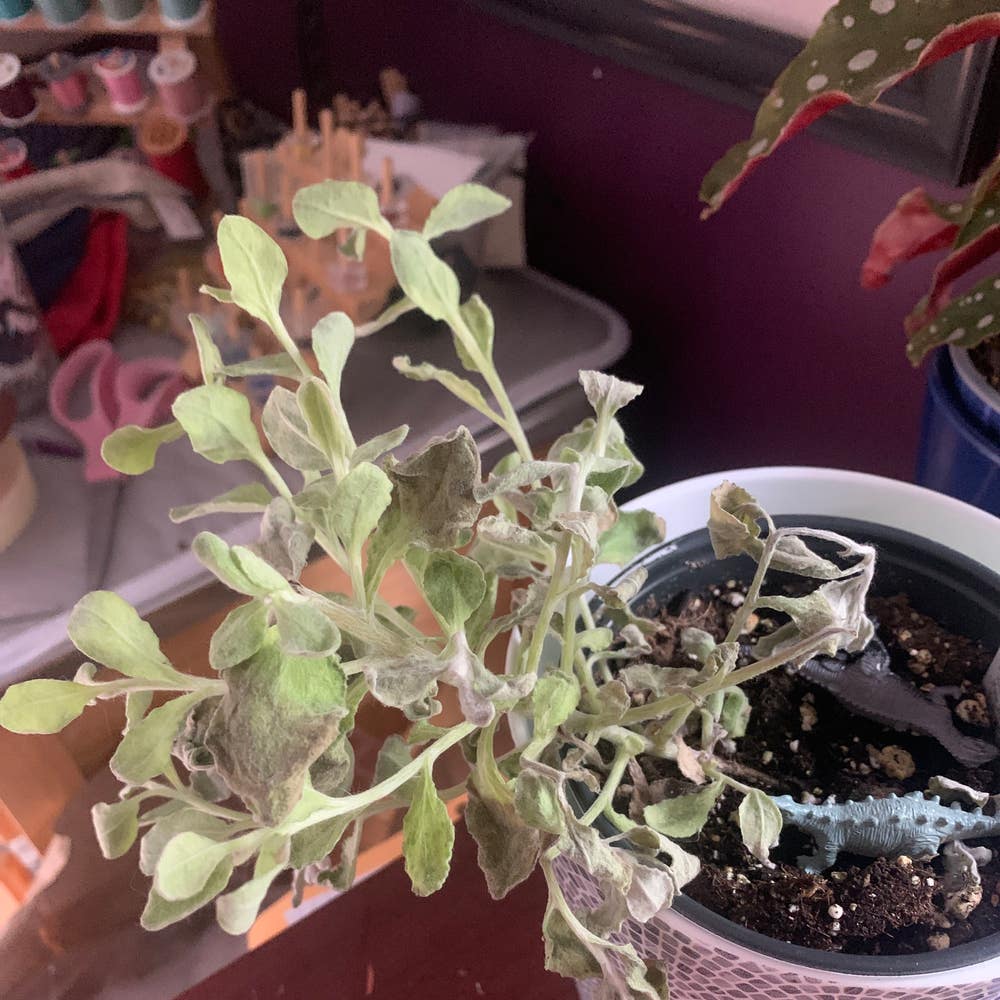
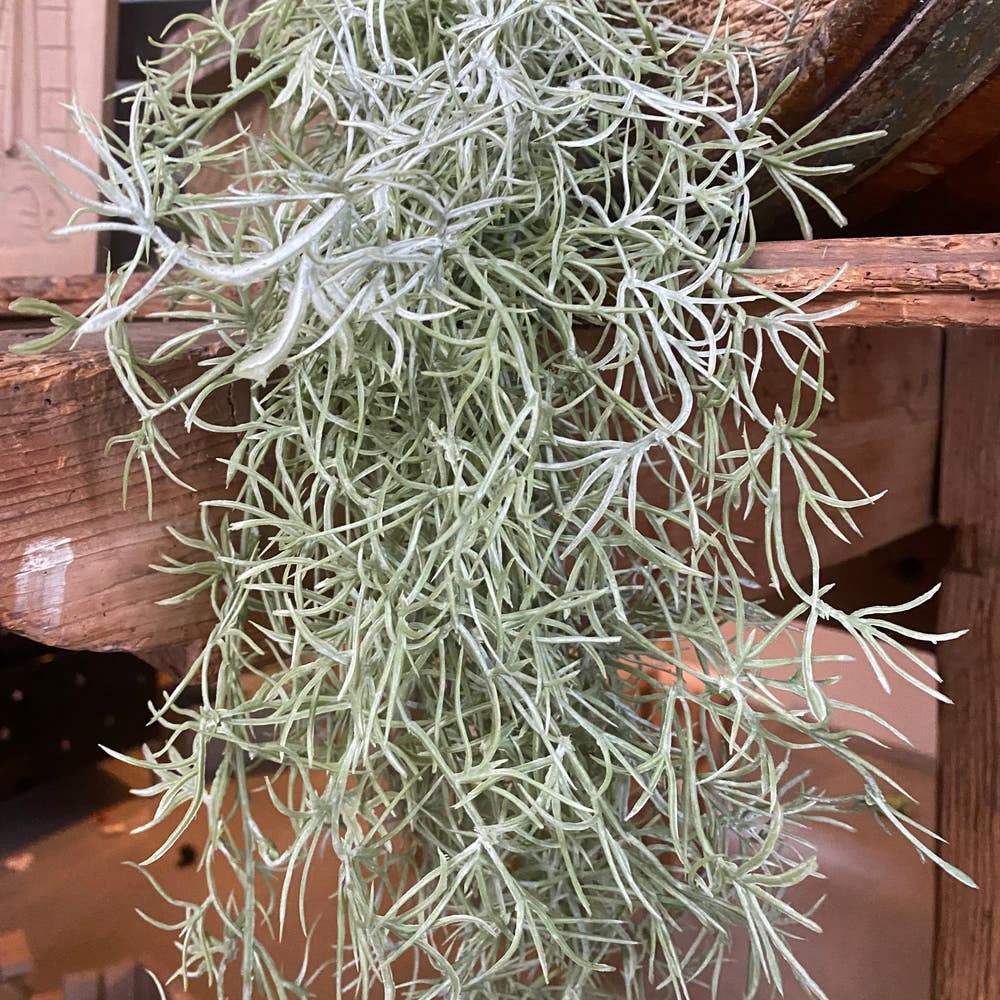
Silver Helichrysum is easily recognized by its silvery-gray leaves. This distinctive coloration not only sets it apart but also helps in identifying it in various environments.
The plant produces bright yellow flower heads, which can be quite striking. However, these blooms can sometimes be mistaken for those of other species, making careful observation essential.
Comparison with Look-Alike Plants 👀
When identifying Silver Helichrysum, it's crucial to distinguish it from similar plants. One key difference is the leaf texture; Silver Helichrysum leaves are more velvety compared to the smoother leaves of some look-alikes.
Additionally, the flower structure can vary. While many yellow-flowered plants exist, Silver Helichrysum's flower heads are typically more clustered, providing a unique appearance that aids in its identification.
Understanding these features can help you recognize Silver Helichrysum in the wild, preventing its spread and the ecological issues it can cause.
As we delve deeper into its growth habits and spread, you'll see how these identifying traits play a role in managing this invasive species.
Growth Habits and Spread
Typical Growth Patterns 🌱
Silver Helichrysum is notorious for forming dense colonies, particularly in disturbed areas. This aggressive growth habit allows it to dominate landscapes, reaching heights of 1 to 3 feet and spreading widely.
Reproductive Strategies and Methods of Spread 🌼
One of the key factors behind its invasiveness is its high seed production. This prolific output leads to rapid colonization, while its ability to propagate vegetatively through root systems further enhances its spread.
Adaptability to Various Environments 🌍
This plant thrives in poor soil conditions and is particularly well-suited for drought-prone areas. Its remarkable tolerance to various environmental stresses significantly boosts its invasive potential, allowing it to outcompete native flora.
Understanding these growth habits and reproductive strategies is crucial for managing Silver Helichrysum effectively. The next section will delve into its ecological impact, highlighting how this invasive species disrupts local ecosystems.
Ecological Impact
🌱 Effects on Native Plant Communities
Silver Helichrysum is notorious for outcompeting native flora. This aggressive growth leads to reduced biodiversity and significantly alters local ecosystems.
The presence of this invasive species disrupts habitats, changing the composition of plant life. As native plants decline, the entire ecosystem feels the impact, affecting everything from soil health to water retention.
🦋 Impact on Wildlife and Biodiversity
The invasion of Silver Helichrysum creates a loss of habitat for native species. This shift alters food sources and nesting sites, making survival more challenging for local wildlife.
Moreover, the decline in native plants can lead to decreased populations of pollinators. With fewer native flowers available, these crucial species struggle to find the resources they need to thrive.
Understanding these ecological impacts is vital for appreciating the broader consequences of Silver Helichrysum's spread. As we delve deeper into its economic and agricultural effects, it becomes clear that the challenges posed by this invasive plant extend far beyond just the garden.
Economic or Agricultural Impact
💸 Economic Losses
Silver Helichrysum can impose significant financial burdens on landowners and municipalities. The costs associated with management and control measures can quickly add up, straining budgets and resources.
In heavily infested areas, property values often decline. Homeowners may find their investments diminished due to the presence of this invasive species, making it a pressing concern for many communities.
🌾 Agricultural Challenges
In agricultural settings, Silver Helichrysum poses serious challenges. It competes aggressively for nutrients and water, leading to reduced crop yields and impacting farmers' livelihoods.
Moreover, managing this invasive plant requires additional labor and resources. Farmers must allocate time and money to control its spread, which can detract from their overall productivity and profitability.
Understanding these economic and agricultural impacts is crucial for effective management strategies. By addressing the challenges posed by Silver Helichrysum, landowners can protect their investments and maintain healthy ecosystems.
As we explore control and management techniques next, we'll look at practical solutions to mitigate these impacts.
Control and Management
👐 Manual Removal Techniques
Manual removal is a practical approach to managing Silver Helichrysum.
- Hand-pulling: This method is most effective before the plant sets seed.
- Tools: For larger infestations, shovels or hoes can help uproot the plants more efficiently.
- Disposal: Proper disposal is crucial to prevent re-establishment; consider bagging and disposing of the plants in a landfill.
🧪 Chemical Control Options
Chemical control can be effective but requires careful consideration.
- Herbicides: Select appropriate types, such as glyphosate, and follow recommended application methods for best results.
- Timing: Apply herbicides during the plant's active growth phase for maximum effectiveness.
🦠 Biological Control Methods
Biological control introduces natural predators to help manage Silver Helichrysum.
- Natural predators: Consider introducing species that target this invasive plant.
- Limitations: Be aware of challenges, such as the potential for unintended consequences in the ecosystem.
🚫 Preventive Measures
Preventive measures can significantly reduce the chances of Silver Helichrysum establishing itself.
- Regular monitoring: Check for new growth frequently to catch infestations early.
- Landscape management: Implement strategies that minimize suitable habitats for this invasive species.
🔍 Importance of Early Detection and Rapid Response
Early detection and rapid response are key to controlling Silver Helichrysum.
- Benefits of immediate action: Quick intervention can prevent the establishment and spread of this invasive plant.
- Recommended practices: Stay vigilant and utilize community resources to report and manage infestations effectively.
By employing these control and management strategies, you can help mitigate the impact of Silver Helichrysum in your area. Transitioning to the next topic, understanding the legal status of this invasive plant will further equip you with the knowledge needed to address its presence responsibly.
Legal Status
📜 Laws and Regulations
Understanding the legal framework surrounding Silver Helichrysum is crucial for effective management. Both local and national regulations classify it as an invasive species, which often leads to specific restrictions on its sale and transport.
These regulations aim to prevent further spread and protect native ecosystems. For gardeners and land managers, this means being aware of what you can and cannot do with this plant.
⚖️ Requirements for Removal or Control
Landowners have legal obligations when it comes to managing invasive species like Silver Helichrysum. Guidelines typically include methods for removal and control, ensuring that efforts are effective and compliant with local laws.
Additionally, reporting requirements exist for notifying authorities about infestations. This proactive approach helps in tracking and managing the spread of invasive plants, fostering a collaborative effort to protect local biodiversity.
By staying informed and compliant, you can play a vital role in combating the challenges posed by Silver Helichrysum. Next, we’ll explore the potential benefits or uses of this plant, despite its invasive nature.
Potential Benefits or Uses
🕰️ Historical Uses
Silver Helichrysum has a rich history in traditional medicine. Indigenous cultures have utilized its properties for various ailments, often relying on its anti-inflammatory and antiseptic qualities.
🌱 Current Beneficial Uses
Today, its applications are quite limited. Some herbalists still value it for its potential health benefits, but these uses are overshadowed by its invasive nature.
⚠️ Negative Impacts Outweighing Benefits
Despite its historical significance, the ecological damage caused by Silver Helichrysum is substantial. Its rapid spread and competition with native species far outweigh any potential benefits, making it a plant to manage rather than cultivate.
In summary, while Silver Helichrysum has intriguing historical uses, its invasive characteristics pose significant challenges. Understanding these impacts is crucial as we transition to the next topic: the legal status surrounding this plant.
⚠️ Safety First
This content is for general information and may contain errors, omissions, or outdated details. It is not medical, veterinary advice, or an endorsement of therapeutic claims.
Always consult a qualified healthcare professional before using any plant as food, medicine, or supplement.
Never eat any plant (or feed one to pets) without confirming its identity with at least two trusted sources.
If you suspect poisoning, call Poison Control (800) 222-1222, the Pet Poison Helpline (800) 213-6680, or your local emergency service immediately.
Spotted an error? Please report it here.
Combat the invasive Silver Helichrysum 🌱 with Greg's tailored management tips, ensuring your garden thrives while protecting local ecosystems!