How Should Licorice Plant Be Cut Back?
Helichrysum petiolare
By the Greg Editorial Team
Jun 18, 2024•4 min read
This article was created with the help of AI so we can cover more plants for you. May contain errors. See one? Report it here.
Discover the secret to a lush Licorice Plant 🌿 with perfectly timed pruning for year-round beauty!
- Early spring or late winter for major Licorice Plant cutbacks.
- 🌿 Use sharp, clean tools like bypass shears for precision pruning.
- Thin and shape naturally to promote health and symmetry.
Best Times to Give Licorice Plant a Trim
📅 Seasonal Pruning Calendar
Pruning your Licorice Plant aligns with the seasons. Early spring or late winter, before new growth kicks in, is ideal for a major cutback. This timing allows the plant to heal and burst forth with vigor as the weather warms. During the summer, keep an eye out for yellow or diseased leaves—these need immediate attention.
🕵️ Spotting the Signs
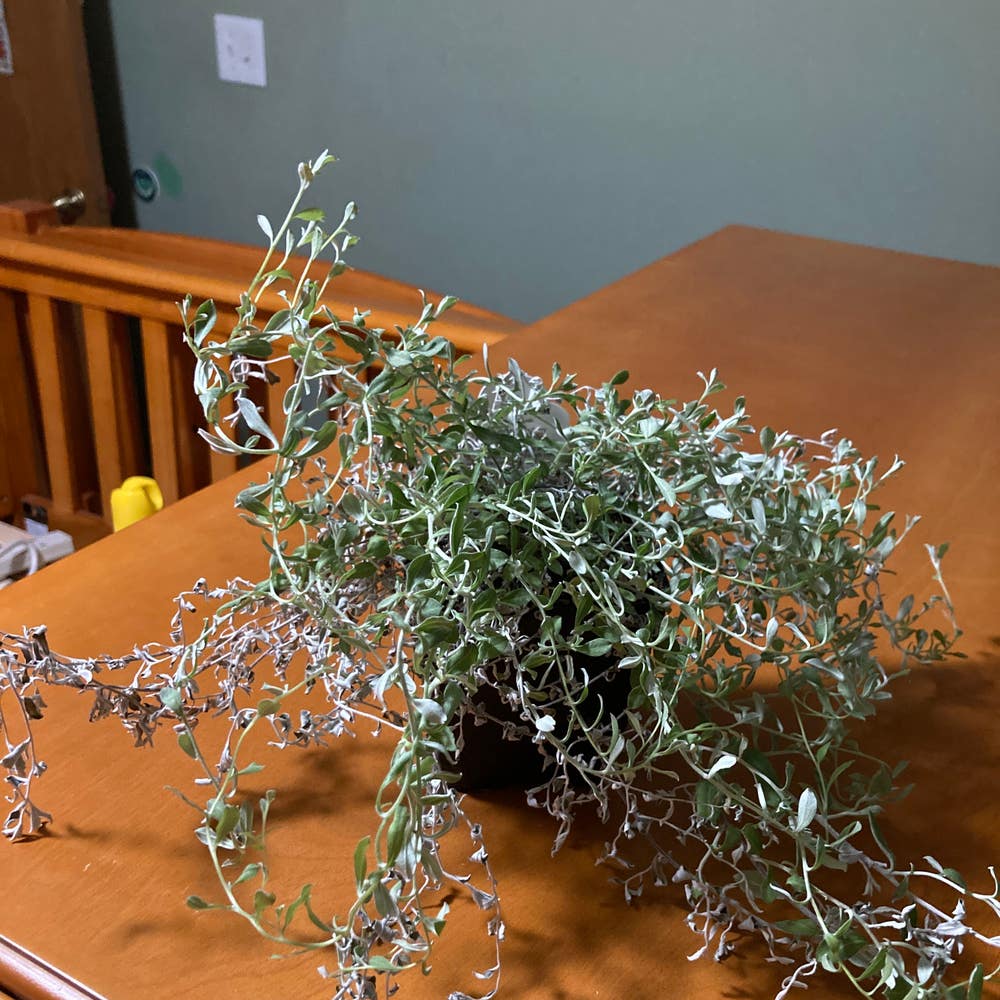
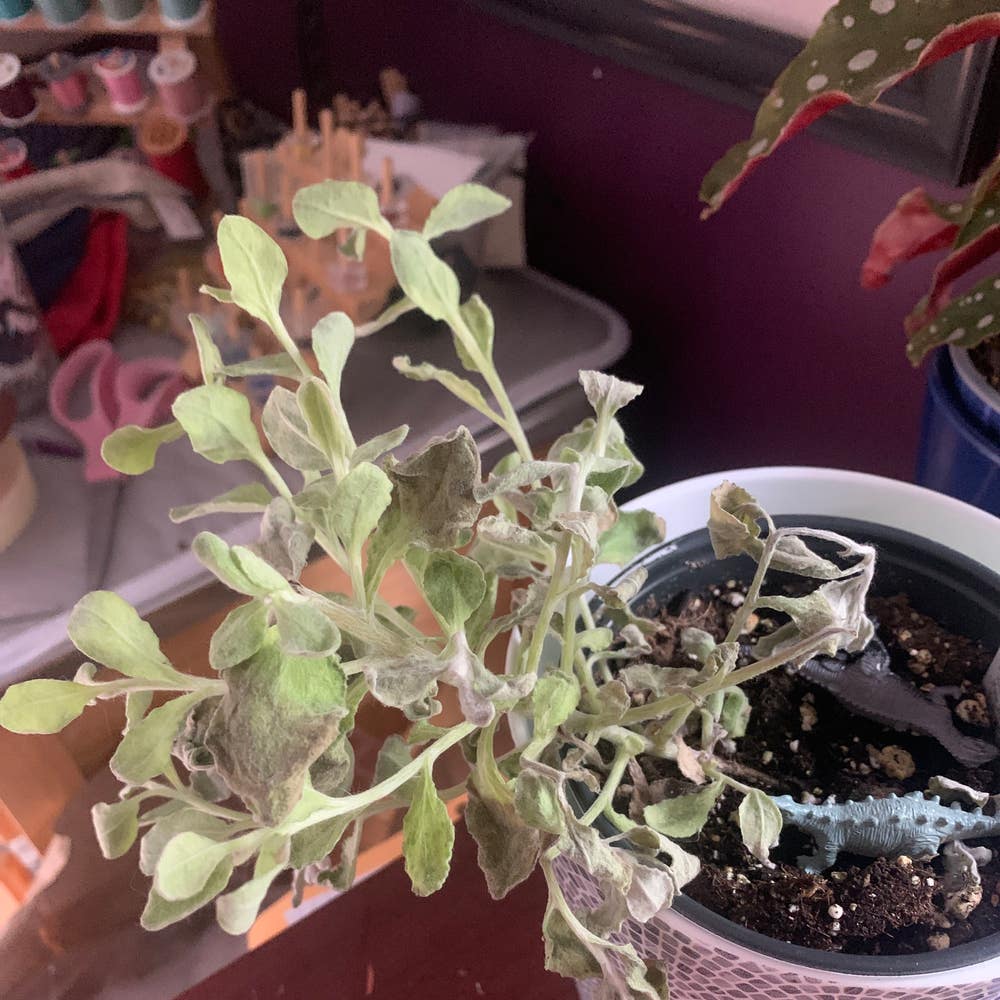
Your plant will signal when it's time for a trim. Overgrowth, yellowing leaves, or a general lack of oomph are your cues to get snippy. Regular inspections will clue you in on when to wield the shears, ensuring you don't miss the optimal pruning window. Remember, it's not just about aesthetics; it's about maintaining the plant's health and vitality.

Pruning Essentials: Tools of the Trade
🌿 Choosing Your Pruning Tools
Sharpness is non-negotiable when it comes to pruning shears. Dull blades are like bad haircuts; they leave a mess. For the Licorice Plant, precision is key, so opt for bypass pruning shears for their scissor-like cutting action. For the tiny, hard-to-reach areas, micro-tip snips are your secret weapon. And for the love of foliage, don't even think about using kitchen scissors.
🛠 Keeping Tools in Tip-Top Shape
Clean tools aren't just for show; they prevent your plant from catching the botanical equivalent of a cold. Sterilize your shears with rubbing alcohol or a bleach solution before and after each use. A sharpening stone will keep your blades in lethal shape – because a clean cut heals faster and looks better. Remember, tool maintenance isn't just busywork; it's an act of plant kindness.

The Art of Pruning Licorice Plant
🌱 Basic Pruning Techniques
Pruning your Licorice Plant isn't just a chore; it's a craft. To start, ensure your shears are sharp and clean to avoid damaging the plant. Early pinching of trailing varieties promotes robust branching, setting the stage for a fuller plant. Snip just above a leaf node, and your plant will thank you with lush growth.
🌿 Shaping for Beauty
A Licorice Plant's allure is in its form. When shaping, visualize the plant's final silhouette. Aim for a natural look; over-pruning can lead to a sparse and sad specimen. Trim uneven growth and remove any damaged foliage to maintain symmetry and encourage new shoots.
🌱 Thinning for Vigor
Thinning is like giving your plant room to breathe. By selectively removing some stems, you improve air circulation, which is crucial for preventing disease. Focus on crowded areas, and be judicious—too much enthusiasm with the shears can lead to a less vigorous plant.

Rejuvenating Your Licorice Plant
💇 When to Go Big: Hard Pruning
Hard pruning isn't a regular spa day for your Licorice Plant; it's more of a reset button. When your plant looks more like a yellow-leafed, leggy mess than the lush beauty you remember, it's time to consider this drastic measure. Early spring or late winter, when the plant is still dozing off in dormancy, is your window of opportunity. If you're staring at a plant that's one-third dead foliage, don't be shy—get snippy. Cut it back to about 6 to 12 inches from the ground. Yes, it will look bare, but think of it as a clean slate for vigorous growth.
🌱 Aftercare for a Fresh Start
Post-hard pruning, your plant needs TLC to bounce back. Start with a deep watering to wake up the roots and signal it's grow time. Then, mulch like it's going out of style to retain moisture and keep the weeds at bay. If you've been skimping on the fertilizer, now's the time to make amends. Apply a high nitrogen fertilizer to encourage leafy growth. Keep an eye out for pests or diseases on new shoots; they're like a free buffet for bugs. Use neem oil or sulfur spray as a preventative measure. Remember, patience is key. Your Licorice Plant won't rebound overnight, but with proper care, it'll be back to its former glory, ready to take on the world—or at least your garden.
⚠️ Safety First
This content is for general information and may contain errors, omissions, or outdated details. It is not medical, veterinary advice, or an endorsement of therapeutic claims.
Always consult a qualified healthcare professional before using any plant as food, medicine, or supplement.
Never eat any plant (or feed one to pets) without confirming its identity with at least two trusted sources.
If you suspect poisoning, call Poison Control (800) 222-1222, the Pet Poison Helpline (800) 213-6680, or your local emergency service immediately.
Spotted an error? Please report it here.
Revitalize your Licorice Plant with precision by adhering to seasonal pruning tips and count on Greg 🌿 for timely reminders and expert guidance.