Fertilizing My Licorice Plant to Double Its Growth
Helichrysum petiolare
By the Greg Editorial Team
Jun 18, 2024•4 min read
This article was created with the help of AI so we can cover more plants for you. May contain errors. See one? Report it here.
Supercharge your Licorice Plant's growth 🌿 and double the blooms with our fail-proof fertilization secrets! 🌺
- N-P-K ratio matters: 10-10-10 for balanced Licorice Plant nutrition.
- Fertilize monthly in growth season, reduce before dormancy.
- Over-fertilization: Yellow leaves, brown tips—stop and flush soil.
Picking the Perfect Fertilizer
💡 Understanding N-P-K Ratios
Nitrogen (N), phosphorus (P), and potassium (K) are the trifecta of plant nutrition. Nitrogen is your go-to for lush, green leaves. Phosphorus is the root and bloom booster, essential for those vibrant flowers. Potassium is the all-rounder, keeping the plant's functions in check. A balanced N-P-K ratio, like 10-10-10, is a safe bet for your Licorice Plant. But don't snooze on the micronutrients; they're the unsung heroes in this story.
🍽️ Slow-Release vs. Liquid Fertilizers
Slow-release granules are the chill pill of plant nutrition, doling out food at a leisurely pace and minimizing the risk of overindulgence. Liquid fertilizers, on the other hand, are like a shot of espresso for your plant—quick and potent. They can green-up your Licorice Plant stat, but require a steady hand to avoid an overdose. Whether you prefer the set-it-and-forget-it approach or the hands-on thrill of liquid feeding, both can lead to a flourishing Licorice Plant when used with care.

Timing is Everything: Fertilizing Schedule
💪 Growth Season Guidelines
During the growth season, typically spring and summer, your Licorice Plant is in high gear. Fertilize monthly to support this active phase. It's like hitting the gym for your plant – regular workouts in the form of nutrients.
Dormancy Do's and Don'ts
When the air gets crisp and the days shorten, your Licorice Plant slows down. Ease up on the fertilizer about 8 weeks before the first frost. Think of it as letting your plant hibernate without overstuffing it before its nap.

Fertilizer Application Mastery
💧 Soil Drenching Done Right
Dilution is the solution to over-concentration. Mix liquid fertilizer with water as per the instructions—no eyeballing it. Use a measuring syringe for precision. Apply this mix to moist soil, not sopping wet, to help your Licorice Plant soak up the goodness without drowning in it.
Even distribution is key. Pour the fertilizer solution near the base of the plant, ensuring it reaches the root zone but doesn't cozy up against the stem. Think of it as a moat, not a puddle.
🌿 Foliar Feeding Finesse
Foliar feeding is like a vitamin shot, quick and direct. It's best used when your Licorice Plant shows signs of nutrient deficiency and needs a swift pick-me-up. Remember, it's a supplement, not a meal replacement.
Mist with care. Use a spray bottle to lightly mist the leaves with a diluted fertilizer solution. Early morning or late afternoon is prime time—avoid the midday sun to prevent leaf burn.
Avoid overuse. This isn't a daily juice cleanse for your plant; it's an occasional boost. Stick to soil fertilization as your plant's main nutrient source and use foliar feeding sparingly.

Recognizing and Resolving Over-Fertilization
🚫 Spotting the Telltale Signs
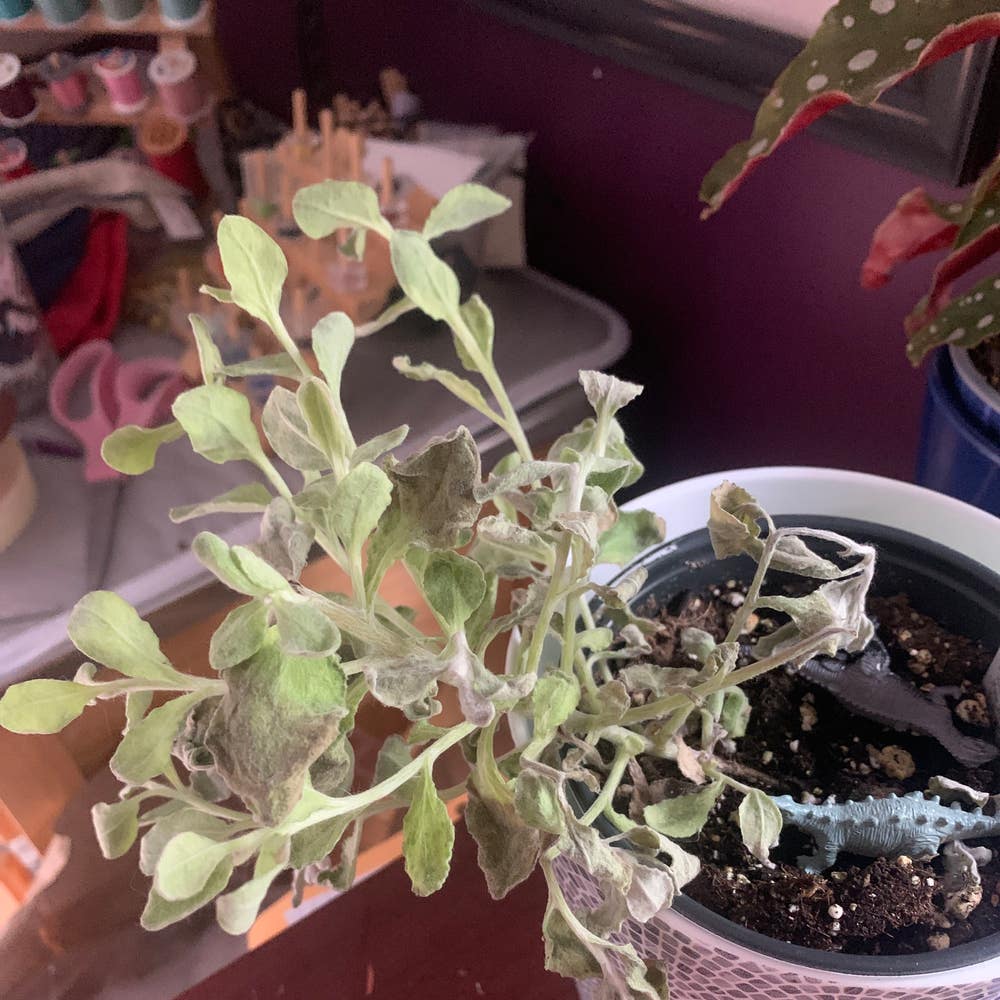
Yellowing leaves, brown tips, and a crusty white buildup on the soil are your Licorice Plant's way of saying, "I'm stuffed!" If the roots look like overcooked noodles—brown, limp, and lifeless—it's a red flag. Wilting leaves can be deceiving; they might scream for water even when the soil is soggy, a classic sign of too much fertilizer, not thirst.
🛠️ Quick Fixes for Fertilizer Faux Pas
Caught in the act of over-fertilizing? Stop all fertilization immediately. Remove any visible fertilizer from the soil's surface—think of it as decluttering your plant's living space. Next, it's time for a thorough flush—drench the soil with water to wash away the excess fertilizer. This isn't a one-and-done deal; repeat every few days, monitoring for signs of plant recovery. Prune away the damaged parts; it's like giving your plant a haircut to get rid of split ends. For potted plants, consider a fresh start with new, nutrient-free soil. Patience is key—hold off on the fertilizer and give your plant a chance to bounce back.
⚠️ Safety First
This content is for general information and may contain errors, omissions, or outdated details. It is not medical, veterinary advice, or an endorsement of therapeutic claims.
Always consult a qualified healthcare professional before using any plant as food, medicine, or supplement.
Never eat any plant (or feed one to pets) without confirming its identity with at least two trusted sources.
If you suspect poisoning, call Poison Control (800) 222-1222, the Pet Poison Helpline (800) 213-6680, or your local emergency service immediately.
Spotted an error? Please report it here.
Nurture your licorice plant to its fullest potential by following Greg's custom fertilization schedule 📅, ensuring you provide just the right nutrients at the perfect time.