What Does It Mean When Licorice Plant Blooms?
Helichrysum petiolare
By the Greg Editorial Team
Jun 18, 2024•3 min read
This article was created with the help of AI so we can cover more plants for you. May contain errors. See one? Report it here.
Unveil the rare bloom 🌼 of Licorice Plants and boost their vitality and allure with expert tips!
- Blooms signal health and reproductive success in licorice plants.
- 🌡️🌞 Light and temperature are key to triggering licorice plant blooms.
- ✂️ Pruning promotes blooming; time it outside active growth periods.
When and Why Licorice Plants Bloom
🌼 The Blooming Cycle of Licorice Plants
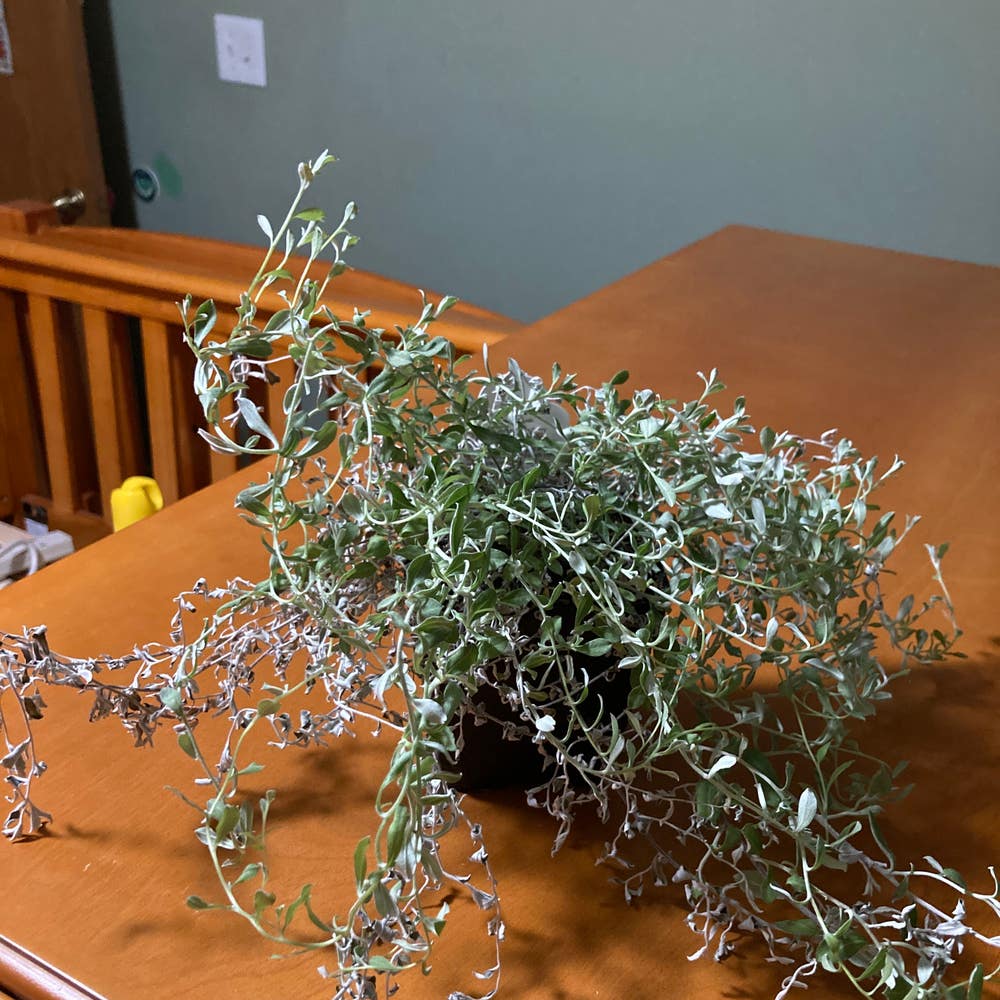
Licorice plants, with their small and white flowers, have a blooming pattern that's not just about aesthetics; it's a rare event that signals a healthy life cycle. Typically, these plants bloom in the spring and autumn, when conditions are just right. The flowering process is triggered by a combination of factors, including light exposure, temperature, and the plant's maturity.
🌱 The Role of Blooms in Plant Health and Reproduction
Blooms are more than just eye candy; they're crucial for the reproductive success of the Licorice Plant. Flowers lead to the formation of seeds, ensuring the continuation of the species. In the grand scheme, every bloom contributes to the plant's vitality and genetic diversity, which is especially important for plants grown in their native habitats or for those that are cultivated for their roots, like the Licorice Plant.

Creating the Perfect Environment for Blooms
💡 Light and Temperature: Setting the Stage for Flowers
To trigger blooms in your Licorice Plant, lighting is non-negotiable. Aim for bright, indirect light—too much direct sun can be a showstopper. The temperature sweet spot? Keep it cozy between 65° and 80°F (18° - 27°C). Consistency is key; avoid drastic fluctuations that can throw your plant's game off.
🍽️ Soil and Fertilization: The Nutritional Backbone for Blooms
Your Licorice Plant's soil should be the equivalent of a gourmet meal—rich, well-draining, and fertile. Think of it as setting the stage for an encore performance of blooms. When it comes to fertilization, less is more. A balanced formula (think 15-15-15) is ideal, but don't overdo it. Over-fertilization is like an overzealous fan—it can do more harm than good.

Recognizing and Celebrating the Blooms
🌼 Spotting the Signs of Upcoming Flowers
Anticipation builds as the Licorice Plant readies to bloom. Buds are the telltale sign, swelling at the tips of stems. Vigilance is key; a subtle shift in color or a slight unfurling can herald the imminent floral display.
🌸 The Unique Beauty of Licorice Plant Flowers
Licorice Plant flowers are a rarity, a cause for celebration. They boast a visual charm, with delicate petals that may surprise those familiar only with the plant's foliage. The scent, though not as well-known as the plant's namesake, adds a subtle allure to the garden air.

Troubleshooting Flowering Issues
🌼 Common Blooming Obstacles and How to Overcome Them
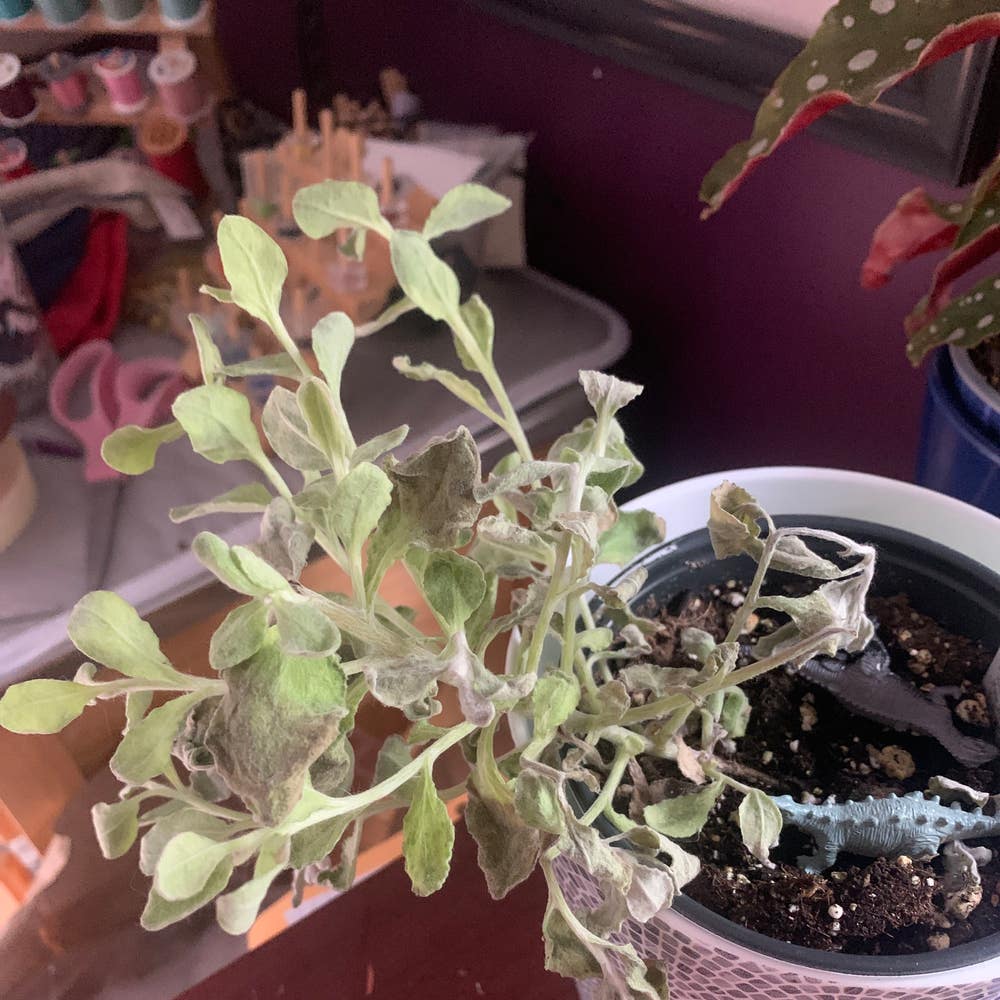
Light is crucial; too little and your Licorice Plant won't perform. Ensure it gets bright, indirect light without scorching it in the midday sun. Watering is a balancing act; soggy soil leads to root rot, while drought stresses the plant. Aim for consistent moisture.
Temperature consistency is key. Avoid placing your plant where drafts or sudden temperature changes are common. Fertilization should be just right; too much and you'll get lush leaves but no flowers. Use a balanced fertilizer at half-strength during the growing season.
✂️ Pruning for Prosperity: Encouraging Flowering Through Trimming
Pruning isn't just about shaping; it's about encouraging your Licorice Plant to bloom. Trim the tips of shoots to promote branching, which can lead to more flowers. Timing is everything; prune when the plant is not in active growth to avoid stress.
Post-pruning, watch for signs of stress or disease. Your plant's reaction will guide you in providing the best care. Clean tools are a must; dirty shears can introduce disease. Remember, pruning is a conversation with your plant; listen and respond accordingly for a blooming success.
⚠️ Safety First
This content is for general information and may contain errors, omissions, or outdated details. It is not medical, veterinary advice, or an endorsement of therapeutic claims.
Always consult a qualified healthcare professional before using any plant as food, medicine, or supplement.
Never eat any plant (or feed one to pets) without confirming its identity with at least two trusted sources.
If you suspect poisoning, call Poison Control (800) 222-1222, the Pet Poison Helpline (800) 213-6680, or your local emergency service immediately.
Spotted an error? Please report it here.
Ensure your licorice plant's blooms 🌼 are abundant and healthy with Greg's tailored light and watering reminders, plus pruning alerts during dormant phases.