🍬 Why Licorice Plant Is Not an Annual
Helichrysum petiolare
By the Greg Editorial Team
Nov 07, 2024•5 min read
This article was created with the help of AI so we can cover more plants for you. May contain errors. See one? Report it here.
Transform your garden with the licorice plant's unique traits for lasting beauty and resilience! 🌱
- 🌱 Licorice plants live 3-5 years, thriving with deep roots and optimal conditions.
- 🌼 Unlike annuals, they flower continuously, producing seeds from late spring to fall.
- 🌍 Adaptable to climates, licorice plants require less replanting, saving gardeners time.
Genetic and Physiological Characteristics
Long-term Lifecycle of Licorice Plant 🌱
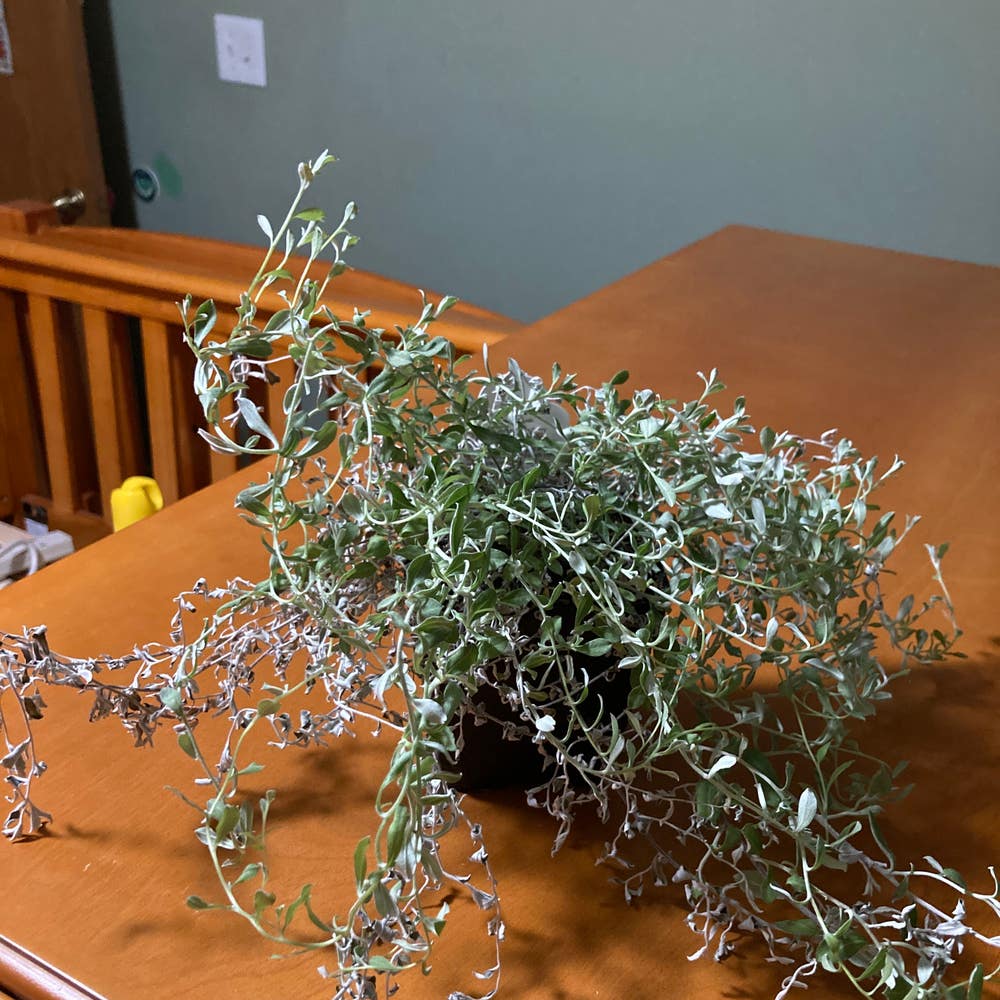
The licorice plant boasts a lifespan of typically 3 to 5 years, but under optimal conditions, it can thrive even longer. Its deep and extensive root system is a marvel, allowing it to store vital nutrients and moisture, which is crucial for its longevity.
Growth Patterns and Adaptations 🌿
Each spring, the licorice plant emerges anew from its established roots, showcasing its remarkable seasonal regrowth. This plant is particularly well-suited to Mediterranean climates, demonstrating impressive resilience to varying environmental conditions.
Reproductive Strategies 🌼
The flowering period of the licorice plant spans from late spring to early fall, providing ample opportunity for seed production. Throughout its life, it engages in multiple cycles of flowering and seed setting, ensuring a continuous supply of seeds for future generations.
This unique combination of genetic traits and physiological characteristics not only sets the licorice plant apart from annuals but also highlights its adaptability and long-term viability in diverse gardening scenarios. Next, we will explore how these traits compare with those of annual plants.
Comparison with Annuals
Lifecycle Differences 🌱
The licorice plant boasts a lifespan of several years, typically ranging from 3 to 5 years, while annuals complete their lifecycle in just one season. This longevity allows the licorice plant to establish a robust presence in the garden, continuously growing and flowering year after year.
In contrast, annuals grow, bloom, and die within a single growing season. This stark difference means that while annuals may offer a burst of color, the licorice plant provides a lasting contribution to your garden's aesthetic.
Growth, Flowering, and Seed Production Differences 🌼
Licorice plants have a prolonged flowering period, blooming from late spring to early fall. This extended timeframe allows for a more gradual and sustained display of flowers compared to the concentrated blooming of annuals, which often peak in a short window.
When it comes to seed production, licorice plants can produce multiple harvests over their lifespan. In contrast, annuals typically yield a single harvest before completing their lifecycle, making the licorice plant a more fruitful choice for gardeners looking for long-term rewards.
The differences in lifecycle and growth patterns highlight the unique advantages of incorporating licorice plants into your garden. As we explore the variations and exceptions in their classification, you'll discover how environmental factors can influence their growth and longevity.
Variations and Exceptions
🌦️ Conditions Affecting Classification
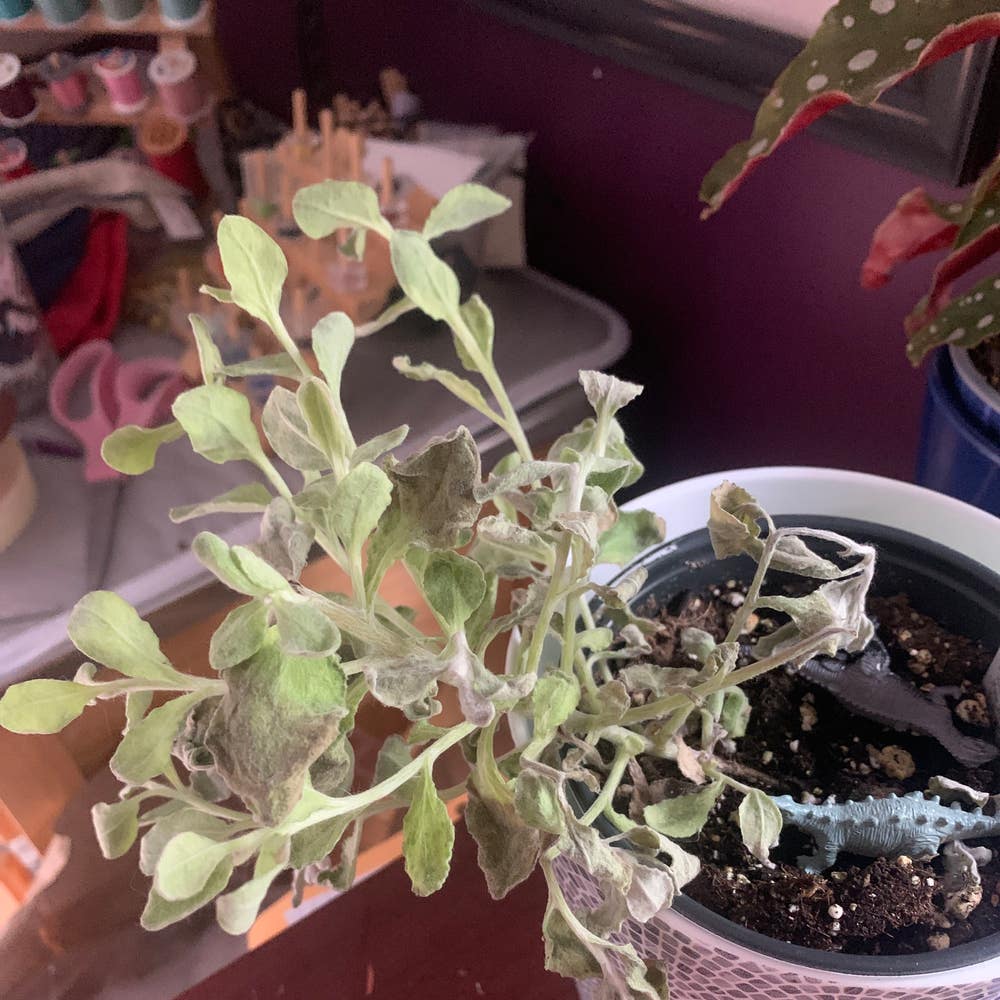
The licorice plant's classification as a perennial can shift under certain conditions. Environmental stressors, such as extreme cold or prolonged drought, may cause dieback, leading to a temporary annual appearance.
In some regions, cultivation practices dictate that the licorice plant is grown as an annual. This approach is often adopted for specific agricultural purposes, such as maximizing yield in a single growing season.
🌍 Regional Differences
Climate plays a significant role in the growth of the licorice plant. Mediterranean climates, with their warm, dry summers and mild, wet winters, provide ideal conditions for the plant to thrive.
Conversely, in temperate climates, variations in temperature and moisture can impact growth. Poor soil conditions may also limit the plant's ability to establish itself as a perennial, forcing gardeners to treat it as an annual instead.
Understanding these variations is crucial for gardeners looking to cultivate licorice successfully. By adapting to local conditions, you can ensure a thriving licorice plant that enhances your garden's beauty and productivity.
As we explore the implications for gardeners, we’ll delve into the advantages of the licorice plant's perennial nature and how to plan for its long-term growth.
Implications for Gardeners
🌱 Advantages of Perennial Nature
The licorice plant is a fantastic long-term investment for any garden. Its ability to establish a stable presence means you won't need to replant every season, saving you time and effort.
Additionally, the licorice plant offers aesthetic appeal with its prolonged flowering. This beauty enhances your garden over multiple seasons, providing a vibrant display that evolves throughout the year.
📈 Planning for Long-term Growth
When integrating the licorice plant into your garden design, consider companion planting. This strategy not only maximizes space but also promotes a healthy ecosystem, benefiting all plants involved.
Efficient resource management is crucial for long-term growth. By planning your watering and nutrient use wisely, you can ensure that your licorice plant thrives for years to come, making it a resilient addition to your garden.
As you embrace the perennial nature of the licorice plant, you'll find that it enriches your gardening experience. Next, let’s explore best practices for managing this remarkable plant effectively.
Management Tips
🌱 Best Practices for Managing Licorice Plant
To cultivate a thriving licorice plant, start with soil preparation. Ensure you have well-draining, nutrient-rich soil, as this foundation is crucial for optimal growth.
Next, establish a watering schedule. Regular but moderate watering is essential to support the health of the deep root system, preventing both drought stress and waterlogging.
🌿 Tips for Maximizing Longevity
Implementing effective pruning strategies can significantly enhance your licorice plant's lifespan. Regularly remove any dead or damaged growth to encourage fresh, vigorous new shoots.
Additionally, focus on pest and disease management. Keep an eye out for common issues and apply organic solutions as needed to maintain plant health and resilience.
With these management tips, you can enjoy the beauty and benefits of your licorice plant for years to come. Transitioning into a long-term care routine will ensure your garden flourishes, paving the way for the next section on the advantages of the perennial nature of licorice plants.
⚠️ Safety First
This content is for general information and may contain errors, omissions, or outdated details. It is not medical, veterinary advice, or an endorsement of therapeutic claims.
Always consult a qualified healthcare professional before using any plant as food, medicine, or supplement.
Never eat any plant (or feed one to pets) without confirming its identity with at least two trusted sources.
If you suspect poisoning, call Poison Control (800) 222-1222, the Pet Poison Helpline (800) 213-6680, or your local emergency service immediately.
Spotted an error? Please report it here.
Cultivate your licorice plant for years of thriving growth 🌱 with Greg's tailored care reminders and expert tips that ensure it flourishes in any environment!