🍬 Determining What Might Be Eating Your Licorice Plant
Helichrysum petiolare
By the Greg Editorial Team
Sep 30, 2024•7 min read
This article was created with the help of AI so we can cover more plants for you. May contain errors. See one? Report it here.
Safeguard your licorice plant 🌿 from hungry herbivores 🐾 while enhancing your garden's beauty and biodiversity!
- 🌱 Licorice plants attract herbivores like deer, rabbits, and squirrels—know your culprits!
- 🚫 Effective deterrents include fencing, netting, and reflective objects to protect plants.
- 🐝 Pollinators and beneficial insects are vital for licorice plant health—embrace garden diversity!
Description and Appeal of Licorice Plant
Appearance 🌿
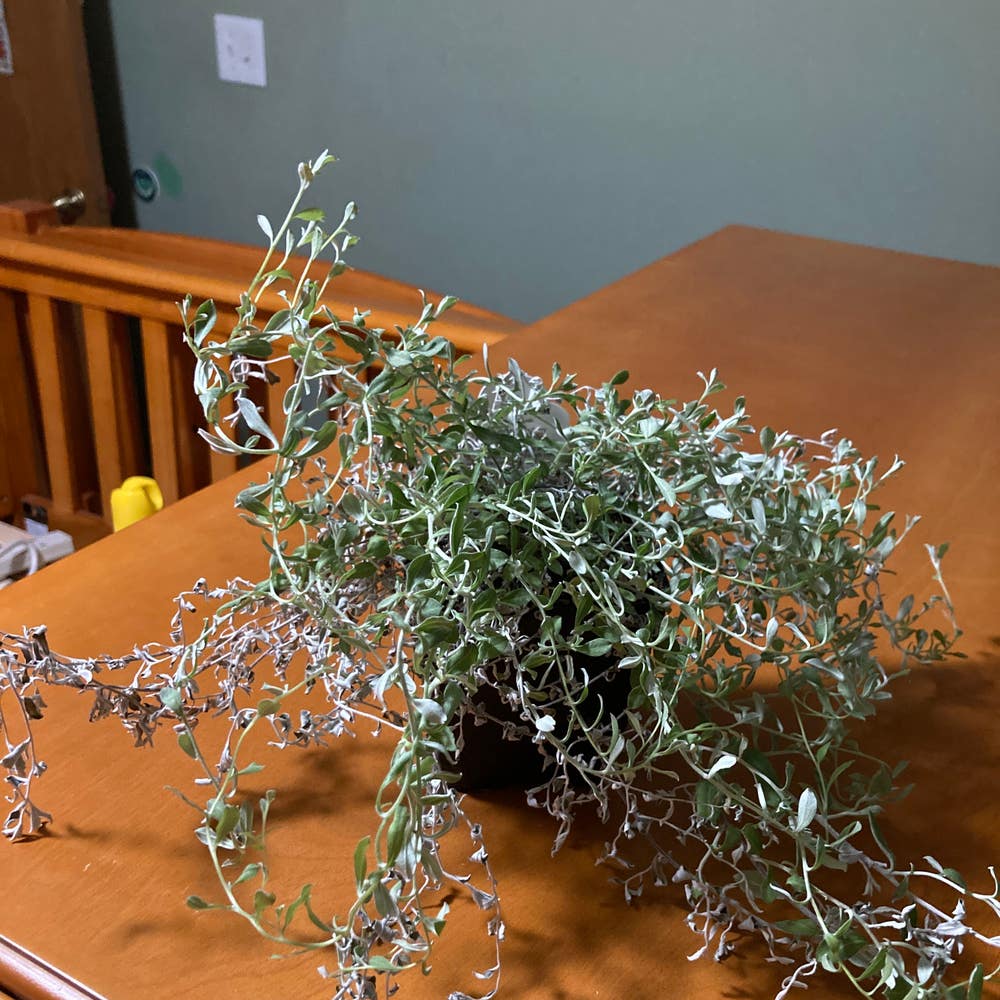
The licorice plant is a perennial herb that stands out with its attractive foliage. Typically reaching heights of 3 to 4 feet, it features compound leaves composed of 9 to 17 leaflets, creating a lush, green appearance.
In summer, the plant showcases beautiful purple to blue flowers that not only enhance its visual appeal but also attract various pollinators. This vibrant display makes it a delightful addition to any garden.
Most Appealing Parts to Animals 🐾
Several parts of the licorice plant are particularly appealing to animals. Young shoots are tender and nutritious, making them a favorite snack for herbivores.
The flowers are not just eye-catching; they also draw in pollinators and herbivores alike. Additionally, the roots are sweet-tasting, which can attract a variety of animals looking for a tasty treat.
Understanding these appealing features can help you protect your licorice plant from potential threats while appreciating its beauty. As we delve deeper, we’ll explore the common herbivores that might be drawn to this enticing plant.
Common Herbivores Affecting Licorice Plant
🦌 Deer
Signs of Presence
Deer are often the first culprits when it comes to damage to your licorice plant. Look for distinctive hoof prints in muddy areas and dark, pellet-like droppings near the plant.
Type of Damage
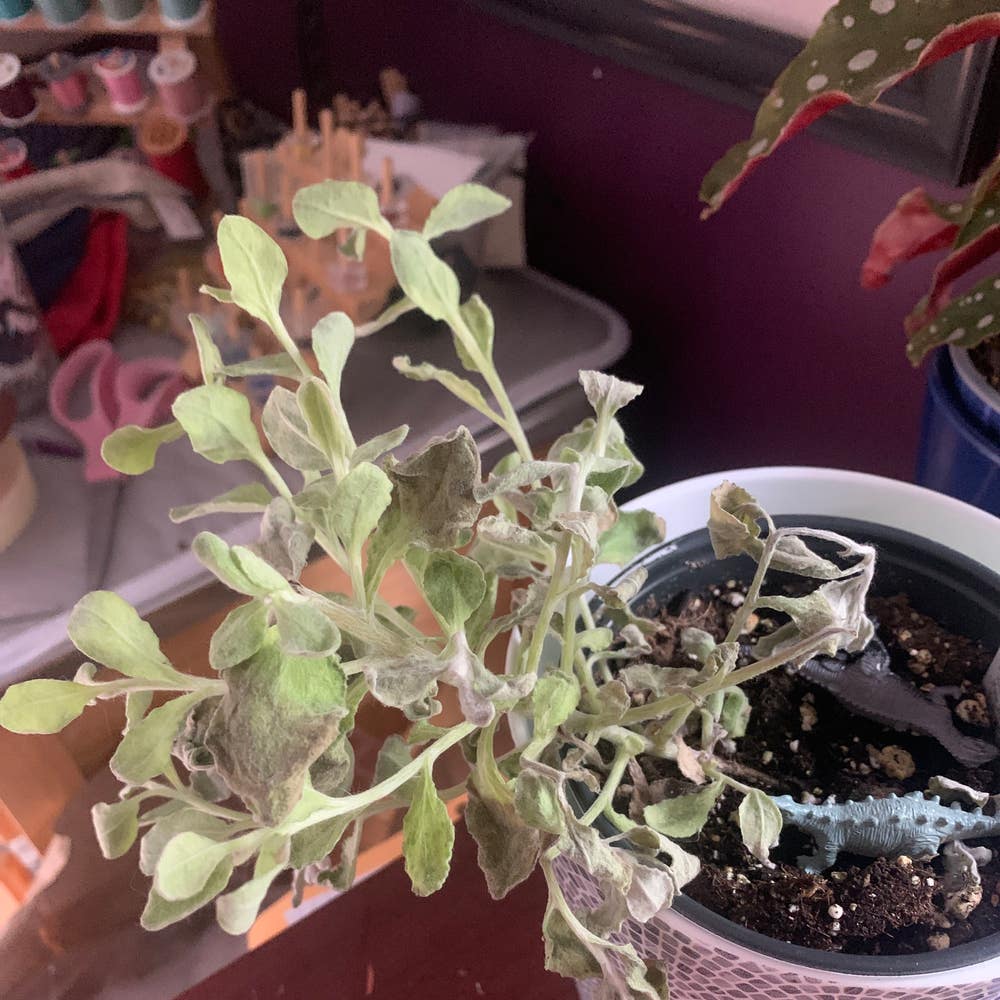
These animals can cause significant harm by browsing on leaves and young shoots, stripping them bare. Heavy feeding can also lead to broken branches, leaving your plant vulnerable.
Beneficial or Harmful Interaction
Interactions with deer are generally harmful, as they can decimate plant populations if left unchecked.
Deterrent Methods
To protect your licorice plant, consider installing 8-foot tall fencing to keep deer at bay. You can also use commercial deer repellents or homemade solutions like garlic spray for additional deterrence.
🐇 Rabbits
Signs of Presence
Rabbits leave clear signs of their presence, such as clean cuts on young shoots and small, round droppings scattered around.
Type of Damage
These furry pests can cause significant damage by grazing on young shoots and leaves, hindering the plant's growth.
Beneficial or Harmful Interaction
Rabbits are generally harmful to your licorice plant, as their feeding habits can stunt its development.
Deterrent Methods
To keep rabbits away, netting can be an effective solution, covering your plants to prevent access. You might also try using natural repellents, like scents from mint or lavender.
🐿️ Squirrels
Signs of Presence
Squirrels can be identified by chewed bark on stems and branches, as well as nests visible in nearby trees or shrubs.
Type of Damage
Their gnawing can damage stems and even girdle the plant, which weakens its overall health.
Beneficial or Harmful Interaction
Interactions with squirrels are generally harmful, as they can compromise the integrity of your licorice plant.
Deterrent Methods
To deter squirrels, consider using scare tactics like reflective objects or noise-makers. Live traps can also be effective for relocation.
🐦 Birds
Signs of Presence
Birds often make their presence known through frequent sightings around the plant and visible peck marks on fruits and seeds.
Type of Damage
They can eat seeds, reducing the plant's potential for reproduction, and peck at developing fruits, causing damage.
Beneficial or Harmful Interaction
Birds have a mixed impact; while some may help with pest control, others can be detrimental to your licorice plant.
Deterrent Methods
Using netting can protect fruits and seeds from birds, while hanging shiny materials can deter them effectively.
🐭 Rodents (Mice, Voles)
Signs of Presence
Rodents leave clear signs, such as visible tunnels near the plant and small, dark pellets around the base.
Type of Damage
They can gnaw on roots and stems, weakening the plant structure and leading to decline.
Beneficial or Harmful Interaction
Interactions with rodents are generally harmful, as they can significantly affect the health of your licorice plant.
Deterrent Methods
To manage rodent populations, consider using snap traps or live traps for removal. Habitat modification, such as reducing cover and nesting areas, can also help deter them.
Understanding these common herbivores and their interactions with your licorice plant is crucial for its health. With the right deterrent methods, you can protect your plant and enjoy its beauty for years to come.
Beneficial Animals and Insects
🐝 Pollinators
Bees and butterflies are essential for the reproduction of your licorice plant. These vibrant creatures not only enhance flowering but also support the overall health of your garden ecosystem.
Their role extends beyond mere pollination; they contribute to biodiversity. A diverse garden attracts a variety of wildlife, creating a balanced environment that benefits all plants.
🦗 Role of Beneficial Insects in Pest Control
Predatory insects play a crucial role in keeping harmful pests at bay. Ladybugs and lacewings, for instance, feast on aphids, helping maintain a healthy balance in your garden.
Maintaining a balanced ecosystem is vital for the long-term health of your licorice plant. By encouraging beneficial insects, you create a natural defense system against pests, reducing the need for chemical interventions.
As you cultivate your garden, remember that every creature has its place. Embracing these beneficial animals and insects can lead to a thriving, resilient garden.
Next, let’s explore general strategies for protecting your licorice plant from potential threats.
General Strategies for Protecting Licorice Plant
🛡️ Preventive Measures
Establishing barriers is crucial for protecting your licorice plant from larger herbivores. Fencing, ideally at least 8 feet tall, can effectively keep deer and other large animals at bay.
Companion planting is another smart strategy. By incorporating plants that deter pests, you can create a natural defense system around your licorice plant.
⚠️ Reactive Solutions
When preventive measures fall short, having reactive solutions ready is essential. Traps can provide immediate removal of pests, ensuring your plant remains safe.
Organic repellents are also effective. Natural solutions, like garlic or hot pepper sprays, can deter herbivores without harming the environment.
🌱 Maintaining a Balanced Garden Ecosystem
Encouraging beneficial insects is key to a thriving garden. Planting a diverse array of flora attracts pollinators and predatory insects that help control harmful pests.
Understanding the roles of herbivores in your garden is equally important. Balancing plant health with wildlife interactions can lead to a more resilient ecosystem, benefiting both your licorice plant and the surrounding environment.
By implementing these strategies, you can create a protective haven for your licorice plant, ensuring it flourishes despite potential threats. Next, we’ll explore seasonal considerations that can impact both plant growth and herbivore activity.
Seasonal Considerations
🐾 Seasonal Variations in Animal Attraction
As spring arrives, herbivores become increasingly active, drawn to the fresh growth of licorice plants. This surge in activity can lead to significant feeding pressure on young shoots and leaves.
By summer, many animals reach their peak feeding times. This is when your licorice plant may face its greatest threat from hungry herbivores.
⏰ Timing of Plant Growth and Herbivore Activity
Understanding the growth cycles of your licorice plant is crucial. During its early growth stages, the plant is particularly vulnerable to herbivore damage.
Monitoring seasonal feeding patterns can help you anticipate when to implement protective measures. Being proactive can save your plants from potential harm.
⚠️ Toxic Effects
Potential Toxicity to Certain Animals
Licorice plants can exhibit mild toxicity when consumed in large quantities. While most animals may nibble without issue, overindulgence can lead to digestive upset.
It's essential to recognize that not all animals will react the same way. Some may avoid the plant altogether due to its mild toxicity.
Implications for Herbivore Interactions
The mild toxicity can influence feeding behavior among herbivores. Many animals might steer clear of licorice plants, which can serve as a natural deterrent.
This characteristic can play a role in protecting your garden. By understanding these dynamics, you can create a more resilient ecosystem around your licorice plants.
As you consider these seasonal factors, remember that a balanced garden ecosystem is key. Next, we’ll explore strategies for protecting your licorice plant from various herbivores.
⚠️ Safety First
This content is for general information and may contain errors, omissions, or outdated details. It is not medical, veterinary advice, or an endorsement of therapeutic claims.
Always consult a qualified healthcare professional before using any plant as food, medicine, or supplement.
Never eat any plant (or feed one to pets) without confirming its identity with at least two trusted sources.
If you suspect poisoning, call Poison Control (800) 222-1222, the Pet Poison Helpline (800) 213-6680, or your local emergency service immediately.
Spotted an error? Please report it here.
Keep your licorice plant thriving 🌿 by using Greg's tailored reminders and tips to fend off pesky herbivores and create a flourishing garden ecosystem!