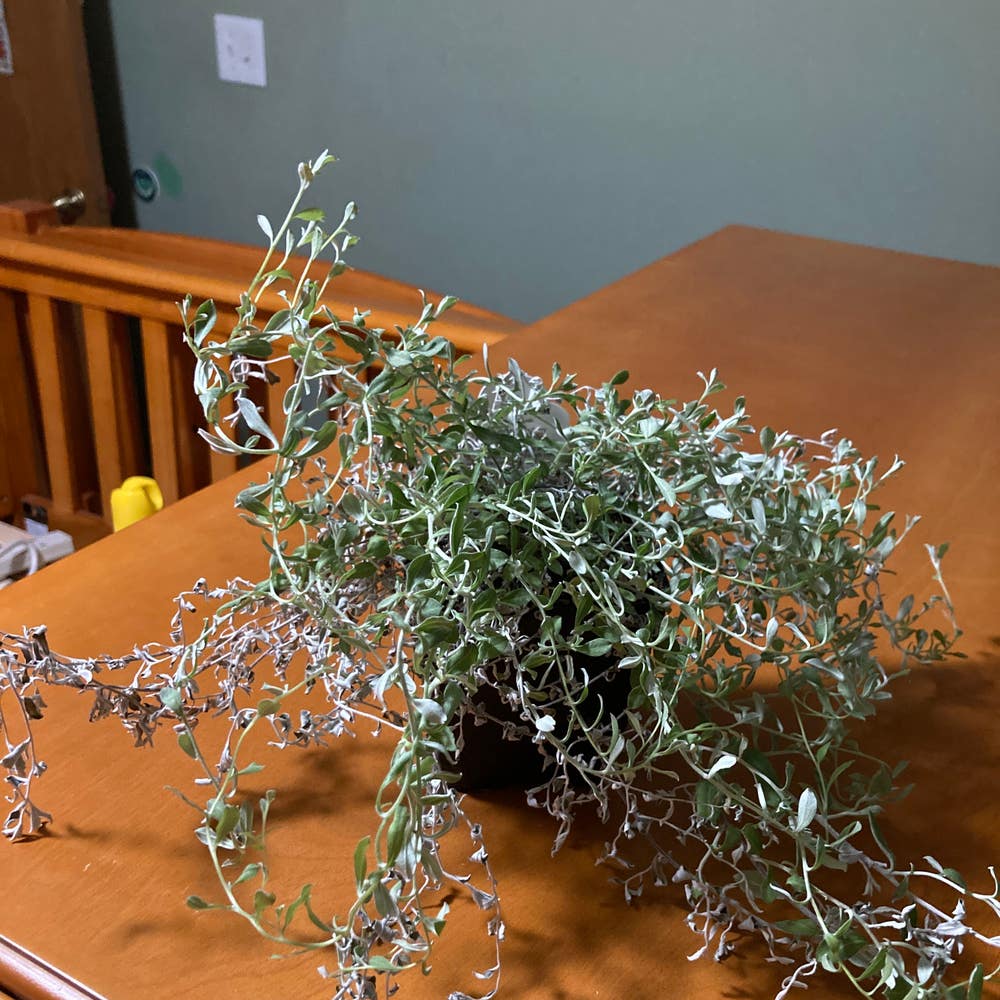
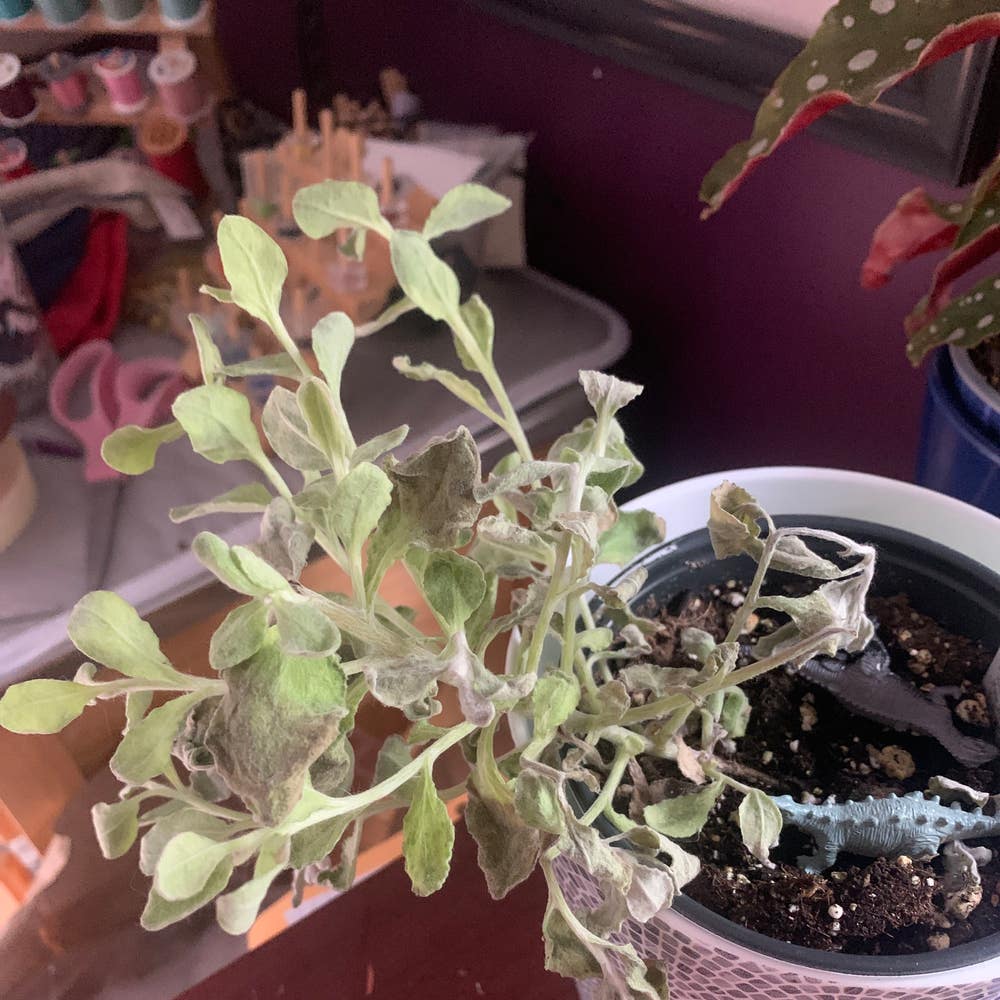
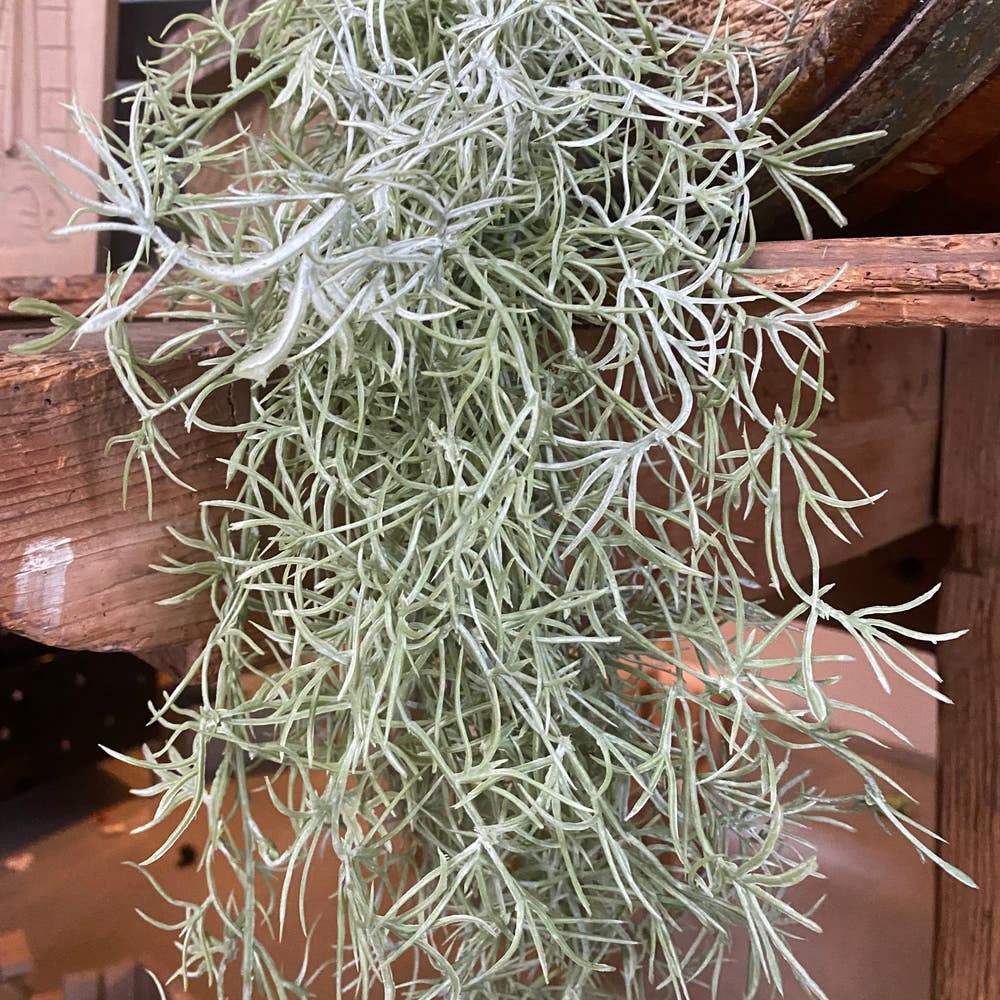
Reasons Silver Helichrysum Leaves Turn Yellow ☀️
Helichrysum petiolare
By the Greg Editorial Team
Oct 12, 2024•4 min read
This article was created with the help of AI so we can cover more plants for you. May contain errors. See one? Report it here.
Transform your Silver Helichrysum's yellowing leaves 🌿 into vibrant greens by mastering essential care techniques!
- 🌊💧 Yellow leaves indicate overwatering or underwatering; identify symptoms for proper care.
- 🌱 Nutrient deficiencies, especially nitrogen and iron, cause yellowing; test soil regularly.
- 🐛 Inspect for pests and adjust environmental conditions to maintain plant health.
Diagnosing Yellow Leaves
🌊 Identifying Symptoms of Overwatering vs. Underwatering
Understanding whether your Silver Helichrysum is overwatered or underwatered is crucial.
Overwatering typically results in leaves that feel soft and mushy. The soil will also remain constantly wet, creating an environment that can lead to root rot.
Underwatering, on the other hand, manifests as dry and brittle leaves. The soil will appear cracked and dry, indicating that your plant is thirsty.
🥦 Recognizing Signs of Nutrient Deficiency
Nutrient deficiencies can also cause yellowing leaves.
Nitrogen deficiency often presents as older leaves turning yellow, while new growth may remain green. Iron deficiency usually affects younger leaves, causing them to yellow while the veins remain green.
For accurate diagnosis, consider conducting a soil test. This will help you determine nutrient levels and pH, guiding your next steps.
🐛 Checking for Pests and Diseases
Regular inspections are essential for maintaining healthy plants.
Start by looking under the leaves and at the bases of the stems. This is where pests like aphids and spider mites often hide.
Using a magnifying glass can help you spot smaller pests that may be causing damage. Early detection is key to effective treatment.
🌡️ Assessing Environmental Conditions
Environmental factors play a significant role in plant health.
Monitor temperature and humidity levels to ensure they are within the ideal range for Silver Helichrysum.
Adjusting the plant's placement based on sunlight exposure can also make a big difference. Aim for 6-8 hours of full sun daily to keep your plant thriving.
By diagnosing these issues early, you can take proactive steps to restore your Silver Helichrysum to its vibrant self. Next, let’s explore solutions for yellowing leaves to help your plant flourish.
Solutions for Yellowing Leaves
🌊 Adjusting Watering Practices
To combat yellowing leaves, start by refining your watering techniques. Water deeply but infrequently to encourage strong root growth.
Using moisture meters can help you gauge when your Silver Helichrysum truly needs water. This prevents both overwatering and underwatering, keeping your plant healthy.
🌱 Fertilizing Appropriately
Next, focus on a balanced fertilization schedule. Apply a balanced fertilizer every 4-6 weeks during the growing season to provide essential nutrients.
Be cautious not to over-fertilize, as this can lead to further issues, including more yellowing leaves. A little goes a long way!
🕳️ Improving Soil Drainage
Soil drainage is crucial for plant health. Incorporate perlite or sand into your soil mix to enhance drainage capabilities.
Additionally, always use pots with drainage holes to prevent water from pooling at the bottom. This simple step can make a significant difference.
🐛 Treating Pest Infestations
If pests are the culprits, follow these step-by-step pest control methods. First, identify the pest affecting your plant.
Once identified, choose an appropriate treatment method. After treatment, monitor your plant's recovery to ensure it's on the mend.
🌞 Modifying Environmental Conditions
Finally, consider adjusting the environmental conditions around your Silver Helichrysum. Ensure your plant receives 6-8 hours of full sun daily for optimal growth.
During extreme cold, moving your plant indoors can protect it from harsh temperatures. Small adjustments can lead to big improvements in plant health.
By implementing these solutions, you can effectively address yellowing leaves and promote a thriving Silver Helichrysum. Next, let’s explore preventative measures to keep your plant healthy year-round.
Preventative Measures
🌊 Best Practices for Watering Silver Helichrysum
Watering your Silver Helichrysum correctly is crucial for its health. Always check the soil moisture before watering to avoid over or under-watering.
Using a drip irrigation system can help maintain consistent moisture levels. This method ensures your plant receives the right amount of water without the risk of soggy roots.
🌱 Recommended Soil Types and Amendments
Choosing the right soil mix is essential for optimal growth. An ideal blend consists of 50% potting soil, 30% sand, and 20% perlite.
Regular soil testing for pH and nutrient levels can prevent deficiencies. This proactive approach keeps your plant thriving and vibrant.
🐞 Regular Pest Monitoring and Control
Establishing a routine inspection schedule is key to keeping pests at bay. Conduct weekly checks during the growing season to catch any issues early.
Using sticky traps can provide early detection of pests. This simple tool helps you monitor infestations before they escalate.
🍂 Seasonal Care Tips to Prevent Yellowing
Adjusting your care routine based on seasonal changes is vital. In winter, reduce watering and protect your plant from frost to ensure its survival.
During summer, increase watering frequency to combat heat stress. This seasonal adjustment keeps your Silver Helichrysum healthy and vibrant year-round.
By implementing these preventative measures, you can maintain the lush green leaves of your Silver Helichrysum. Next, let’s explore solutions for yellowing leaves to further enhance your plant care knowledge.
⚠️ Safety First
This content is for general information and may contain errors, omissions, or outdated details. It is not medical, veterinary advice, or an endorsement of therapeutic claims.
Always consult a qualified healthcare professional before using any plant as food, medicine, or supplement.
Never eat any plant (or feed one to pets) without confirming its identity with at least two trusted sources.
If you suspect poisoning, call Poison Control (800) 222-1222, the Pet Poison Helpline (800) 213-6680, or your local emergency service immediately.
Spotted an error? Please report it here.
Keep your Silver Helichrysum thriving 🌿 by using Greg's tailored watering reminders and nutrient tips to prevent yellowing leaves and ensure optimal growth!