🌞 8 Key Phases of Silver Helichrysum Development
Helichrysum petiolare
By the Greg Editorial Team
Oct 12, 2024•4 min read
This article was created with the help of AI so we can cover more plants for you. May contain errors. See one? Report it here.
Cultivate stunning Silver Helichrysum plants 🌼 by mastering their growth stages for a vibrant garden transformation!
- 🌱 Silver Helichrysum seeds germinate in 7-14 days under optimal conditions.
- ☀️ Full sun (6-8 hours) is crucial during the vegetative growth phase for healthy plants.
- 🌼 Flowering occurs 8-12 weeks after planting, enhancing garden aesthetics and attracting pollinators.
Germination Stage
🌱 Duration of Germination
The germination period for Silver Helichrysum typically spans 7-14 days under optimal conditions. This timeframe allows seeds to break dormancy and begin their journey toward growth.
🌞 Conditions for Successful Germination
To ensure successful germination, specific conditions must be met:
Soil Requirements
Silver Helichrysum thrives in well-drained, sandy soil with a pH between 6.0 and 7.0. This type of soil prevents waterlogging, which can hinder seed development.
Temperature Range
The ideal temperature for germination lies between 20°C to 25°C (68°F to 77°F). Maintaining this range is crucial for encouraging seed sprouting.
💡 Light Exposure
Light is essential for germination; therefore, surface sowing is recommended. Seeds need exposure to light to trigger the germination process effectively.
With the right conditions in place, your Silver Helichrysum seeds will be well on their way to sprouting. Next, we’ll explore the characteristics of seedlings as they begin to emerge.
Seedling Stage
🌱 Characteristics of Seedlings
During the seedling stage, Silver Helichrysum showcases small, delicate leaves that shimmer with a silvery hue. These seedlings typically reach a height of 2-4 inches, presenting a charming and vibrant appearance.
⏳ Duration of the Seedling Stage
This stage lasts approximately 4-6 weeks, allowing the seedlings to grow robust enough for transplanting. Proper care during this period is crucial for their successful transition to the next growth phase.
As your seedlings thrive, you'll be eager to see them flourish into the vegetative growth stage. Let's explore what that entails!
Vegetative Growth Stage
Description of Vegetative Growth 🌱
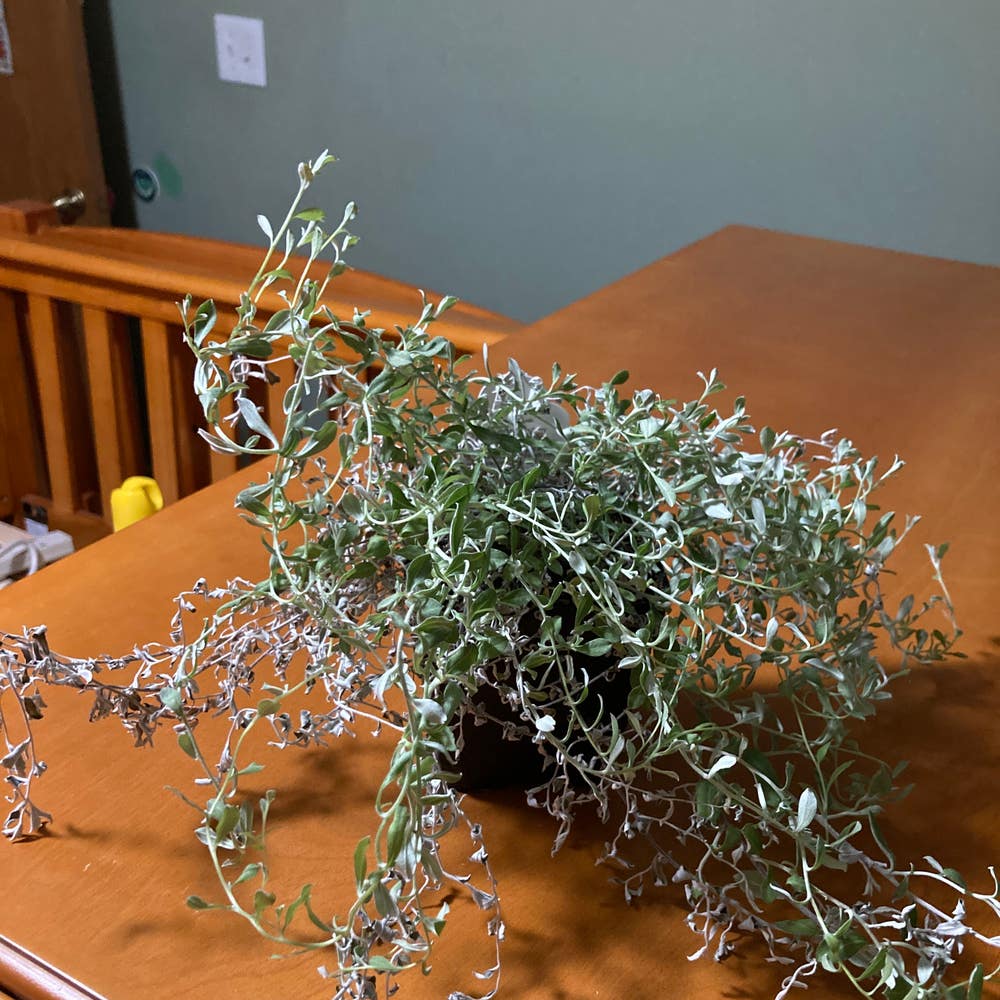
During the vegetative growth stage, Silver Helichrysum showcases rapid leaf development, resulting in a bushy appearance. This is the phase where the plant can grow impressively, reaching heights of 1 to 2 feet.
Duration and Conditions for Optimal Growth ⏳
This stage lasts approximately 6 to 12 weeks, influenced by environmental conditions. For optimal growth, ensure the plant receives full sun exposure for 6 to 8 hours daily and is planted in well-drained soil; once established, it becomes drought-resistant.
The vegetative growth phase is crucial for setting the foundation for future flowering and seed production. Understanding these conditions will help you cultivate a thriving Silver Helichrysum plant.
Next, we’ll explore the exciting flowering phase, where the plant truly begins to shine.
Flowering Phase
Timeline for Flowering 🌼
Flowering in Silver Helichrysum typically kicks off between 8 to 12 weeks after planting. This is an exciting time as the plants transition from growth to showcasing their vibrant blooms.
Changes in Plant Appearance During Flowering 🌻
During this phase, you'll notice the emergence of bright yellow flowers that not only beautify your garden but also attract pollinators.
As the flowers bloom, the foliage undergoes a transformation as well. The leaves may become more aromatic and vibrant, adding to the overall sensory experience of your garden.
This flowering phase is crucial for the plant's lifecycle, setting the stage for the next steps in its development. With the right conditions, your Silver Helichrysum will flourish, making your gardening efforts truly rewarding.
Next, we'll explore the fascinating process of seed production, where the cycle continues.
Seed Production
Overview of Seed Production Process 🌱
Seed production in Silver Helichrysum is a fascinating process. The plant is primarily self-pollinating, which means it can produce seeds without needing another plant's pollen.
However, it can benefit from insect activity, enhancing the pollination process. Once pollination occurs, seeds develop within the flower heads, marking a crucial step in the plant's life cycle.
Duration and Conditions for Seed Production ⏳
After flowering, seed production takes an additional 4-6 weeks. This period is essential for the seeds to mature properly.
For optimal seed maturation, the plant requires continued sunlight and minimal water stress. These conditions ensure that the seeds develop fully, ready for the next generation of Silver Helichrysum.
Understanding this phase is vital for anyone looking to cultivate these beautiful plants successfully. With the right care, you can enjoy a thriving garden filled with vibrant blooms and a new crop of seeds.
As we move forward, let’s explore how the growth rate and maturation of Silver Helichrysum influence its overall development.
Growth Rate and Maturation
How Long Until Silver Helichrysum is Fully Grown? 🌱
Silver Helichrysum reaches full maturity within 6-12 months. This timeline can vary based on the specific growing conditions.
Factors Affecting Growth Rate 🌍
Soil quality plays a crucial role in growth. Nutrient-rich, well-draining soil promotes faster development.
Watering practices are equally important. Drought conditions can slow growth, while overwatering may hinder it.
Average Lifespan of Silver Helichrysum ⏳
The average lifespan of Silver Helichrysum is generally 3-5 years. Under ideal conditions, it can live even longer, making it a resilient choice for gardeners.
Understanding these aspects of growth and maturation helps you cultivate healthier plants. Next, we’ll explore the fascinating seed production process that follows flowering.
⚠️ Safety First
This content is for general information and may contain errors, omissions, or outdated details. It is not medical, veterinary advice, or an endorsement of therapeutic claims.
Always consult a qualified healthcare professional before using any plant as food, medicine, or supplement.
Never eat any plant (or feed one to pets) without confirming its identity with at least two trusted sources.
If you suspect poisoning, call Poison Control (800) 222-1222, the Pet Poison Helpline (800) 213-6680, or your local emergency service immediately.
Spotted an error? Please report it here.
Master the growth phases of Silver Helichrysum 🌱 with Greg's tailored watering and care reminders, ensuring your plants flourish and fill your garden with vibrant blooms!