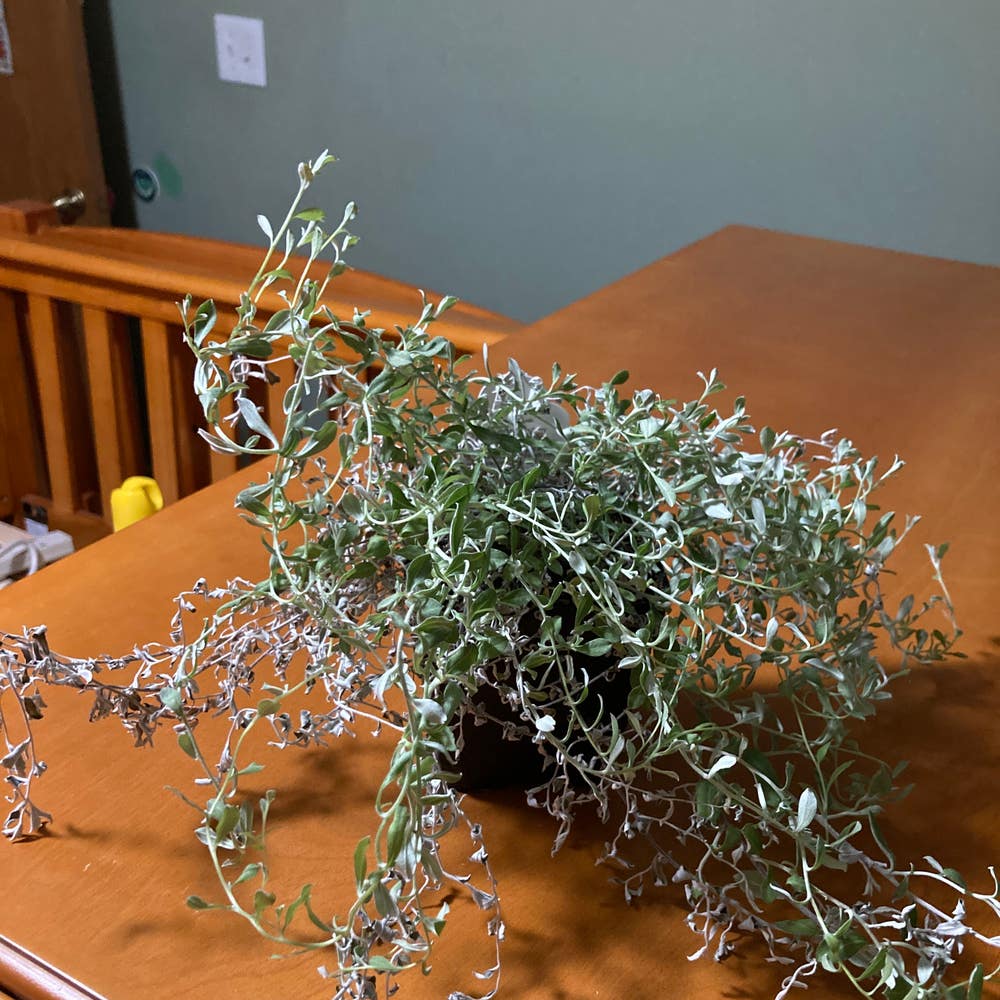
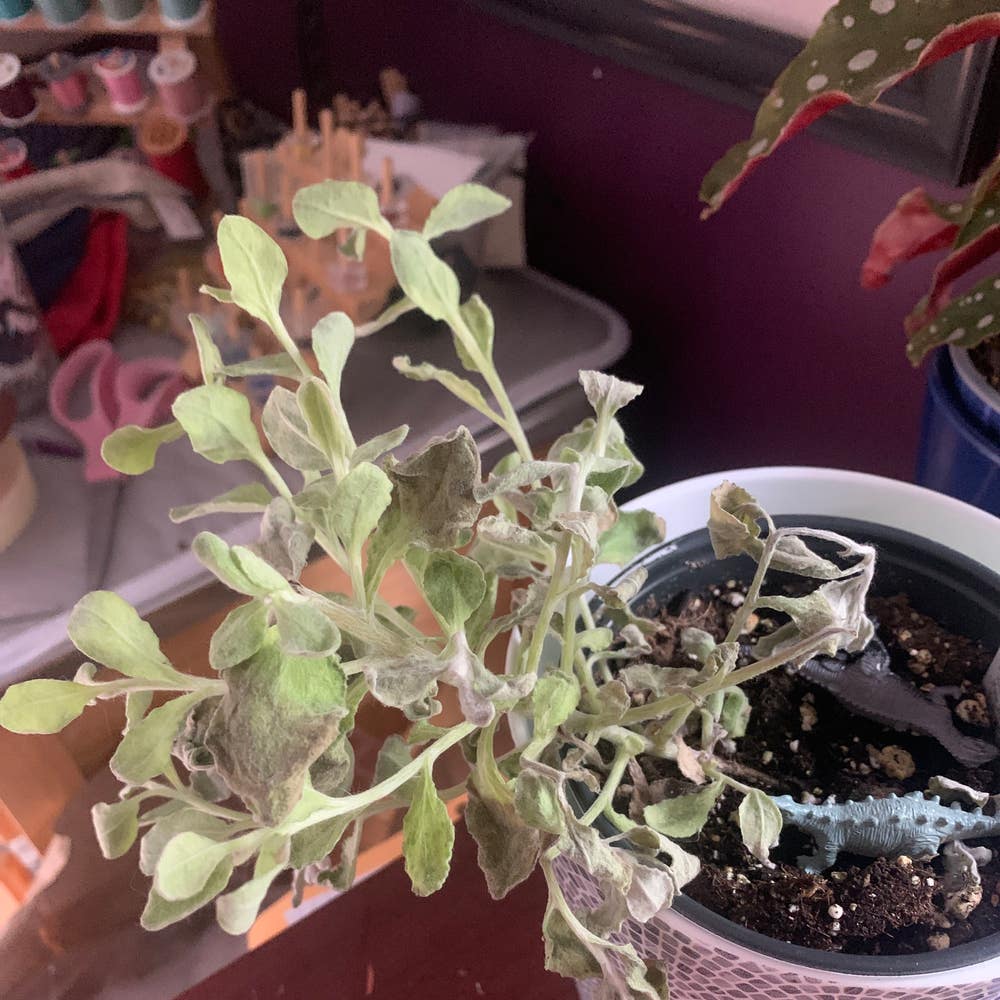
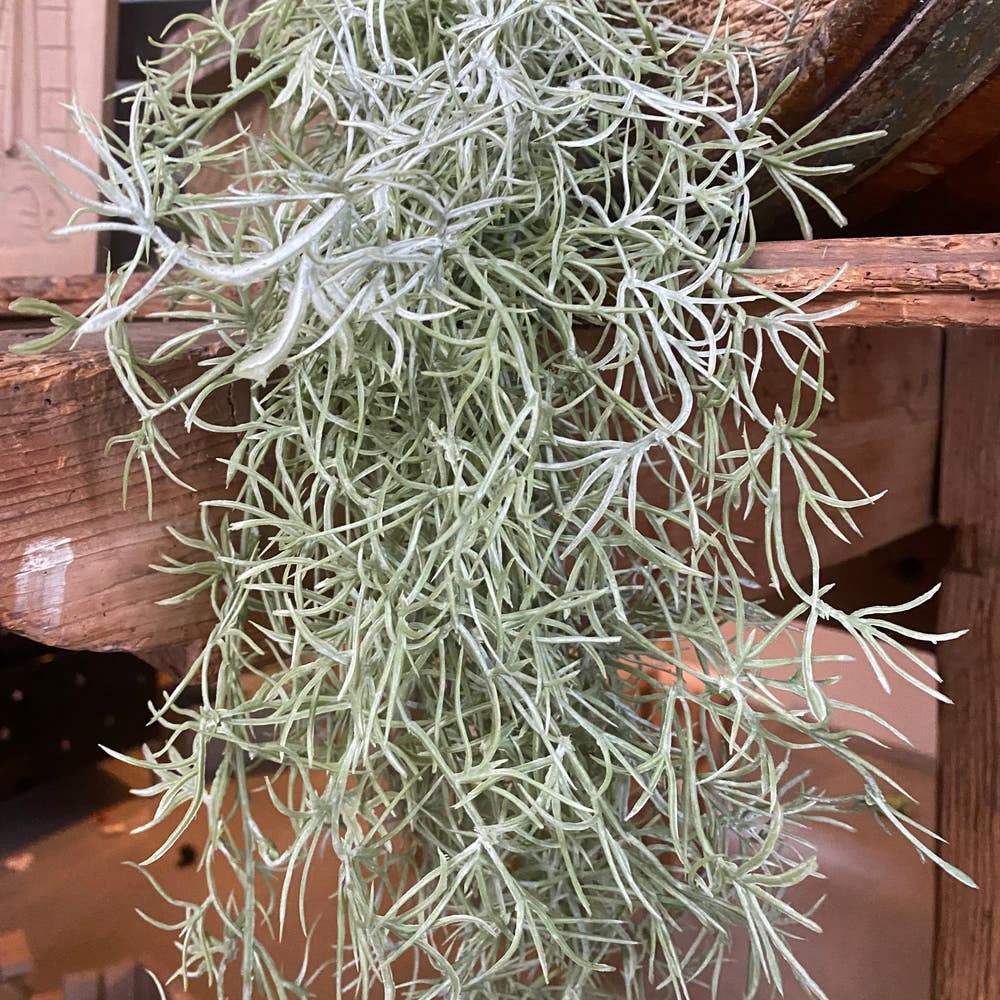
Best Tips for Dealing with Brown Spots on Silver Helichrysum ☀️
Helichrysum petiolare
By the Greg Editorial Team
Oct 12, 2024•6 min read
This article was created with the help of AI so we can cover more plants for you. May contain errors. See one? Report it here.
Revive your Helichrysum and banish brown spots 🌱 with expert tips on diagnosis and care for thriving plants!
- 💧 Overwatering causes brown spots; ensure well-draining soil and proper watering practices.
- 🌱 Nutrient deficiencies like nitrogen lead to yellowing leaves with brown spots. Test soil!
- 🦠 Fungal infections thrive in humidity; improve ventilation to prevent brown spots.
Causes of Brown Spots
💧 Overwatering and Root Rot
Overwatering is a common issue that manifests through yellowing leaves, wilting, and brown spots. Root rot occurs when plants sit in soggy soil for too long, leading to decay and ultimately harming the plant.
Soil drainage is crucial. Ensuring your Helichrysum has well-draining soil can prevent root rot and keep your plant thriving.
🍄 Fungal Infections and Diseases
Fungal infections like powdery mildew and leaf spot diseases can wreak havoc on your Helichrysum. Look for brown spots surrounded by a yellow halo, which often leads to leaf drop.
High humidity and poor air circulation create ideal conditions for fungal growth. Keeping your plant in a well-ventilated area can help mitigate these risks.
🥦 Nutrient Deficiencies
Nitrogen Deficiency
A nitrogen deficiency shows up as yellowing leaves with brown spots, especially on older leaves. Nitrogen is essential for healthy leaf growth and vibrant color.
Without adequate nitrogen, your Helichrysum may struggle to thrive.
Magnesium Deficiency
Magnesium deficiency presents as interveinal chlorosis, where the area between leaf veins turns yellow while the veins remain green, often accompanied by brown spots. Magnesium plays a vital role in photosynthesis and overall plant health.
Addressing magnesium deficiency can significantly improve your plant's vitality.
🐜 Pest Infestations
Spider Mites
Spider mites are tiny pests that leave fine webbing and stippled leaves in their wake. Their damage can lead to browning and weakening of the leaves.
Regular inspections can help catch these pests early.
Aphids
Aphids are another common pest, recognizable by curling leaves and sticky residue. They can stress your plant and make it more susceptible to diseases.
Keeping an eye out for these signs can help you take action before the infestation worsens.
🌡️ Environmental Stress
Temperature fluctuations can cause leaf scorch, while low humidity levels may lead to stress and browning.
Acclimatizing your Helichrysum to new environments gradually can help reduce stress and promote healthier growth.
Understanding these causes is the first step in addressing brown spots on your Silver Helichrysum. With this knowledge, you can move on to diagnosing the specific issues affecting your plant.
Diagnosing Brown Spots
Identifying Symptoms 🌿
Start with a visual inspection of your Helichrysum. Look for patterns in leaf discoloration; are the brown spots clustered or scattered?
Next, consider the location of the spots. Are they primarily on older leaves, which might indicate a nutrient deficiency, or on newer growth, suggesting environmental stress?
Differentiating Between Causes 🔍
To differentiate between overwatering and nutrient deficiency, assess the soil moisture. If the soil feels soggy, overwatering might be the culprit; if it's dry but the leaves are still yellowing, a nutrient issue could be at play.
For pest damage versus fungal infection, check for visible pests or signs of disease. Look for fine webbing or sticky residue, which indicates pests, while brown spots with yellow halos often point to fungal issues.
Importance of Leaf Inspection 👀
Regular checks are crucial for early detection of problems. By inspecting your plants bi-weekly, you can catch issues before they escalate.
Consider keeping a care journal. Documenting changes and treatments can help you track your plant's health over time, making it easier to identify patterns and adjust your care routine accordingly.
With a clear understanding of symptoms and causes, you're well on your way to addressing those pesky brown spots. Next, let’s explore effective treatment options to restore your Helichrysum to its vibrant self.
Treatment Options
Adjusting Watering Practices 🌧️
- Assess soil moisture: Use a moisture meter or your finger to check the soil's dampness.
- Watering frequency: Allow the top inch of soil to dry out before watering again to prevent overwatering.
- Signs of proper watering: Look for healthy, vibrant leaves without brown spots as indicators of good hydration.
Applying Fungicides or Treatments 🧴
- Types of fungicides: Consider organic options like neem oil or commercial fungicides to combat fungal issues.
- Application method: Always follow label instructions for effective treatment to ensure your plants recover.
Fertilization Strategies for Nutrient Deficiencies 🌱
- Soil testing: Determine nutrient levels before fertilizing to address specific deficiencies.
- Choosing the right fertilizer: Opt for a balanced fertilizer or one high in nitrogen or magnesium, depending on your plant's needs.
- Application timing: Fertilize during the growing season for optimal results, ensuring your Helichrysum thrives.
Pest Control Methods 🐞
- Insecticidal soap: This is effective against soft-bodied pests like aphids, helping to keep your plants healthy.
- Neem oil: A natural pesticide that disrupts pest life cycles, making it a great choice for organic gardening.
- Regular monitoring: Check your plants weekly for signs of pests to catch any issues early and maintain plant health.
By implementing these treatment options, you can effectively manage brown spots on your Silver Helichrysum and promote its overall health. Next, let’s explore preventive measures to keep your plants thriving in the long run.
Preventive Measures
Proper Watering Techniques 💧
Establishing a consistent watering schedule is crucial for your Silver Helichrysum. Adjust your routine based on seasonal needs to ensure your plant thrives.
Water deeply but infrequently to encourage robust root growth. This method helps prevent overwatering, which can lead to brown spots.
Soil and Potting Mix Recommendations 🌱
Using a well-draining potting mix is essential. Consider adding perlite or sand to enhance drainage and prevent root rot.
Repot your Silver Helichrysum every 1-2 years to refresh the soil and prevent compaction. This practice keeps your plant healthy and thriving.
Sunlight and Temperature Considerations ☀️
Ensure your plant receives full sun exposure for at least 6 hours daily. This light is vital for vibrant growth and preventing issues like browning.
Maintain an ideal temperature range between 20°C to 30°C (68°F to 86°F). Extreme temperatures can stress your plant, leading to undesirable brown spots.
Regular Plant Inspections 🔍
Inspect your plants bi-weekly for early signs of issues. Regular checks help you catch problems before they escalate.
Keep notes on your plant's health and any changes you observe. Documentation can guide your care routine and improve your plant's overall well-being.
By implementing these preventive measures, you can significantly reduce the risk of brown spots on your Silver Helichrysum. Next, let's explore how to monitor recovery after treatment.
Post-Treatment Care
Monitoring Recovery 🌱
After treatment, keep an eye out for signs of improvement. New growth, vibrant color, and a reduction in brown spots indicate your Helichrysum is bouncing back.
Adjusting Care Routine Based on Plant Response 🔄
As your plant shows signs of recovery, consider gradually increasing watering. Pay attention to its needs and adjust fertilization based on any observed deficiencies.
Signs of Improvement or Further Issues 🔍
Look for healthy new leaves and fewer brown spots as indicators of progress. If brown spots persist, it may be time to reevaluate your care routine and investigate underlying issues.
By staying vigilant and responsive to your plant's needs, you can ensure its continued health and vitality. This proactive approach will help you enjoy a thriving Helichrysum for years to come.
⚠️ Safety First
This content is for general information and may contain errors, omissions, or outdated details. It is not medical, veterinary advice, or an endorsement of therapeutic claims.
Always consult a qualified healthcare professional before using any plant as food, medicine, or supplement.
Never eat any plant (or feed one to pets) without confirming its identity with at least two trusted sources.
If you suspect poisoning, call Poison Control (800) 222-1222, the Pet Poison Helpline (800) 213-6680, or your local emergency service immediately.
Spotted an error? Please report it here.
Keep your Silver Helichrysum spotless 🌿 by using Greg's tailored reminders and expert tips to master watering and inspections for vibrant, healthy growth!