🤒 Why Are There Brown Spots on My Licorice Plant?
Helichrysum petiolare
By the Greg Editorial Team
Jun 18, 2024•4 min read
This article was created with the help of AI so we can cover more plants for you. May contain errors. See one? Report it here.
Banish brown spots 🍂 on your Licorice Plant with these proven care and treatment tips!
- Brown spots signal distress, often from fungi, stressors, pests, or deficiencies.
- Immediate action: Trim leaves, isolate plant, and consider home remedies or fungicides.
- Prevent with care: Right light, humidity, air flow, and regular inspections.
Spotting the Trouble: Brown Spots Unveiled
🕵️ Recognizing Brown Spots
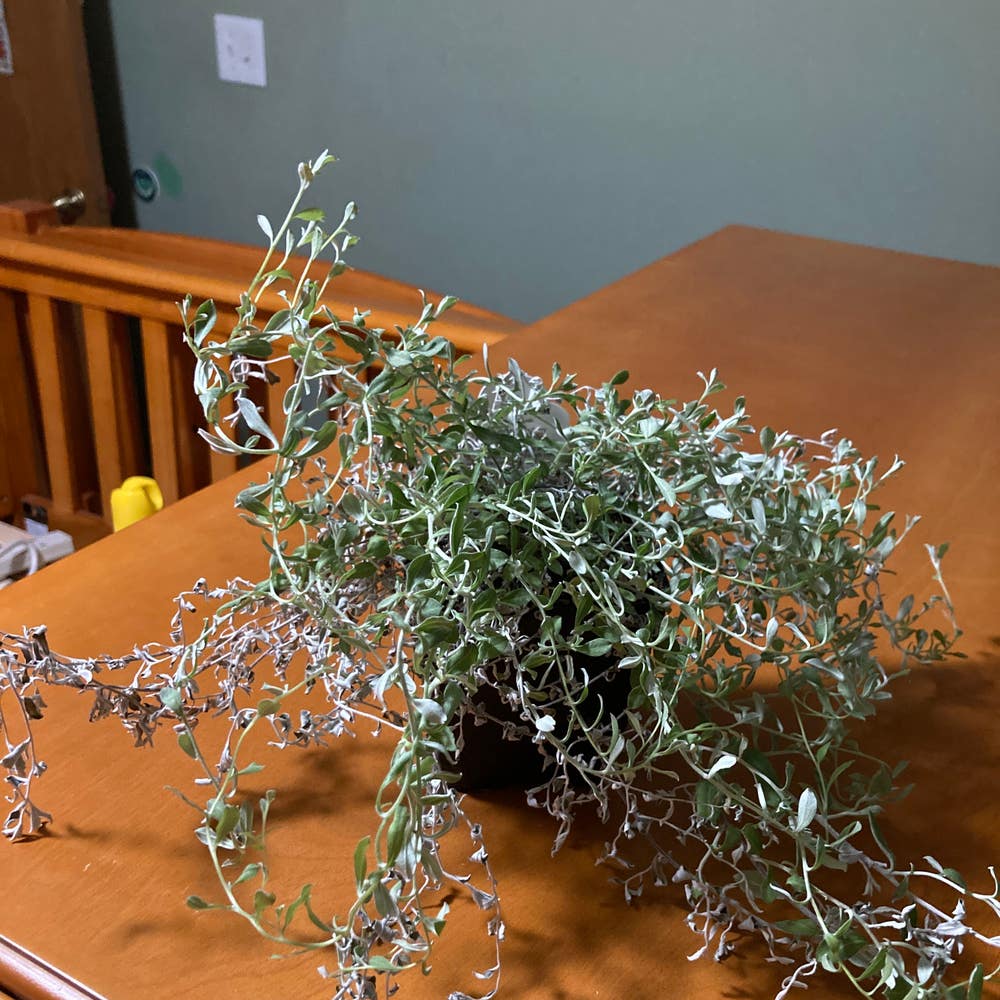
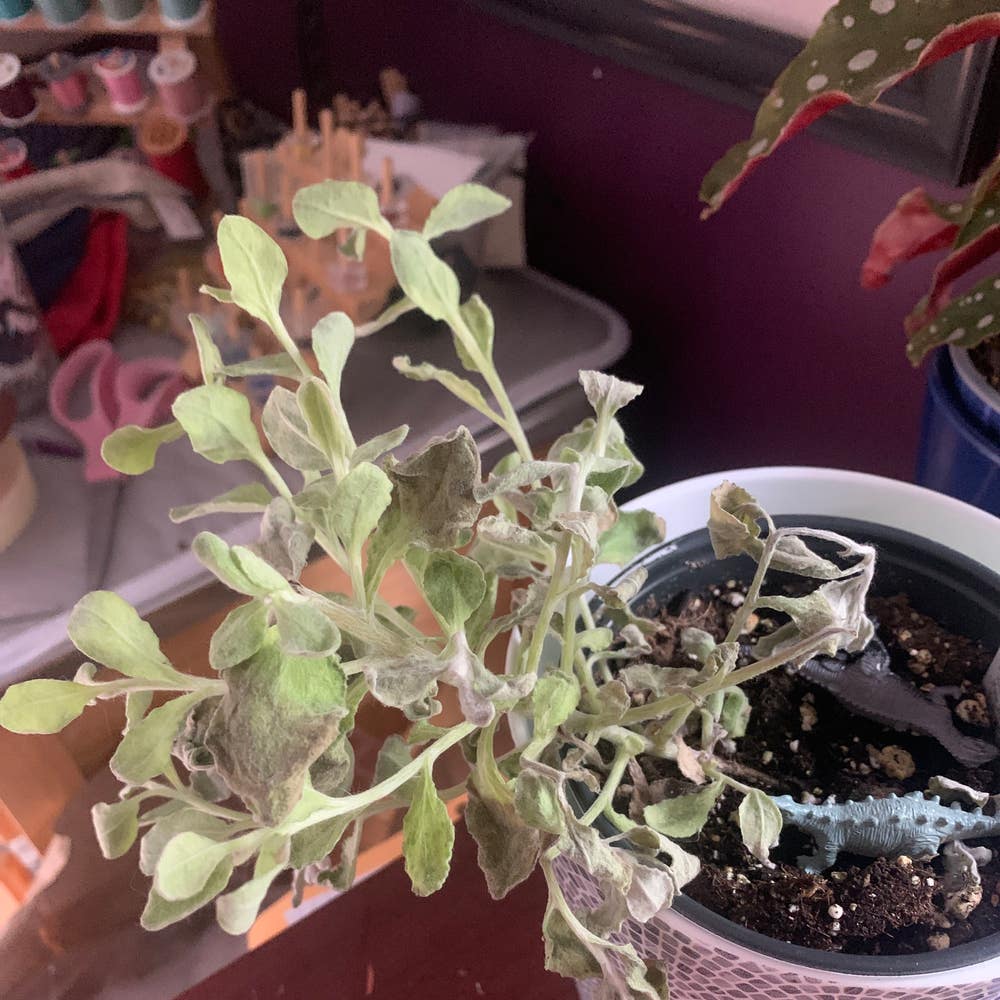
Brown spots on Licorice Plant leaves are a distress signal. They might be tiny specks or larger patches, varying from light tan to dark brown. Some spots appear dry, while others look waterlogged. Sharp edges or a yellow halo around a spot are red flags for disease.
🎨 Differentiating Between Brown Spots and Other Discolorations
Not all leaf discolorations are cause for concern. Natural markings or scars can be mistaken for brown spots. Look for consistency in the spots—repetitive patterns are a telltale sign of trouble, distinguishing them from harmless variations.
🦠 Common Culprits Behind the Spots
Fungal Diseases
Fungi like Fusarium and Phytophthora love damp conditions and can turn overwatered leaves into their breeding ground. Look for concentric rings or halos around the spots, which are classic symptoms of fungal infections.
Environmental Stressors
Environmental factors can also cause brown spots. Overwatering or poor drainage can lead to waterlogged spots, while underwatering might result in dry, crispy areas. Ensure your plant's environment isn't contributing to the problem.
Pests
Pests such as spider mites, aphids, and mealybugs suck the life out of plants, leaving behind brown spots as evidence. Vigilance is key—catch these tiny terrors early before they turn your Licorice Plant into their playground.
Nutrient Deficiencies
Nutrient deficiencies often manifest as rusty discolorations. If the spots are rusty and the plant is otherwise healthy, consider whether your Licorice Plant is getting all the nutrients it needs.
🎯 Spot Patterns and Location
Location and pattern of the spots can give clues to their cause. Spots at the leaf tips might indicate a different issue than those at the base. Are they scattered or clustered? This can help pinpoint whether it's a widespread issue or something more isolated.

First Aid for Your Licorice Plant
🌿 Immediate Steps to Take
Trim those leaves. If brown spots mar your Licorice Plant, snip off the affected foliage with sterilized shears. It's not just a trim; it's a strategic move to halt the spread of potential pathogens. Next, play detective with your plant's environment—could it be too much water or too little light causing the issue?
Isolation is key. When you spot the first signs of trouble, separate your Licorice Plant from its leafy companions. This quarantine helps protect the rest of your indoor jungle from catching any contagious plant maladies.
🏥 Home Remedies and Treatments
DIY to the rescue. Before you go nuclear with chemicals, try a gentler approach. A homebrewed mix of baking soda, liquid soap, and water can be your first line of defense. Spray it on the leaves every couple of weeks, and watch for the spots to stop in their tracks.
Neem oil is another organic option. It's like a plant's personal bodyguard against fungal foes. Apply it as a preventative measure, and you might just nip those brown spots in the bud.
Copper-based fungicides can be your next step up. They're like a barrier on the leaf surface, keeping those pesky spores from germinating. Remember to coat both the top and bottom of the leaves, and follow the label like it's your plant care bible.
When to escalate. If the spots are stubborn and the home remedies aren't cutting it, consider a systemic fungicide. It's the heavy artillery in your plant care arsenal. But handle with care—suit up in your protective gear and treat your green friends with the respect they deserve.

Preventing Future Outbreaks
💡 Environmental Adjustments
Light and humidity are your Licorice Plant's best friends when they're just right. Too much sun can fry your plant like an egg on a sidewalk, while too little makes it sulk. Aim for that sweet spot of bright, indirect light. Humidity-wise, think of your plant as preferring a day in San Diego over the Sahara or the Amazon.
Air circulation is the unsung hero in the plant world. It's the difference between a stuffy, overcrowded bus and a breezy bike ride through the park. Keep your Licorice Plant in a spot where the air can do a gentle dance around its leaves, preventing moisture from throwing a brown spot party.
🛡️ Ongoing Care Strategies
Watering is a balancing act. Your plant doesn't want to swim or thirst to death. Let the soil's top layer dry out before giving it another drink. Remember, the needs change with the seasons, so stay alert and adjust accordingly.
Regular inspections and cleanliness are like brushing your teeth; do it often to prevent issues. Peek under the leaves, check the stems, and keep the surrounding area cleaner than a whistle. This way, you'll spot any trouble before it turns into a brown spot saga.

⚠️ Safety First
This content is for general information and may contain errors, omissions, or outdated details. It is not medical, veterinary advice, or an endorsement of therapeutic claims.
Always consult a qualified healthcare professional before using any plant as food, medicine, or supplement.
Never eat any plant (or feed one to pets) without confirming its identity with at least two trusted sources.
If you suspect poisoning, call Poison Control (800) 222-1222, the Pet Poison Helpline (800) 213-6680, or your local emergency service immediately.
Spotted an error? Please report it here.
Keep your Licorice Plant spot-free 🍃 by using Greg to monitor and adjust care practices, ensuring a healthy, vibrant plant year-round.