Why Is My Licorice Plant Dropping Leaves?
Helichrysum petiolare
By the Greg Editorial Team
Jun 18, 2024•5 min read
This article was created with the help of AI so we can cover more plants for you. May contain errors. See one? Report it here.
Stop the leaf-drop heartache 🍂 and revive your licorice plant with these essential care tips.
- Stress and distress cause licorice plants to shed leaves.
- Overwatering and underwatering both lead to leaf drop; balance is key.
- Pests, diseases, and environment affect leaf health; regular care prevents issues.
Spotting the Signs: When Your Licorice Plant Is Unhappy
🍂 Recognizing Leaf Drop Symptoms
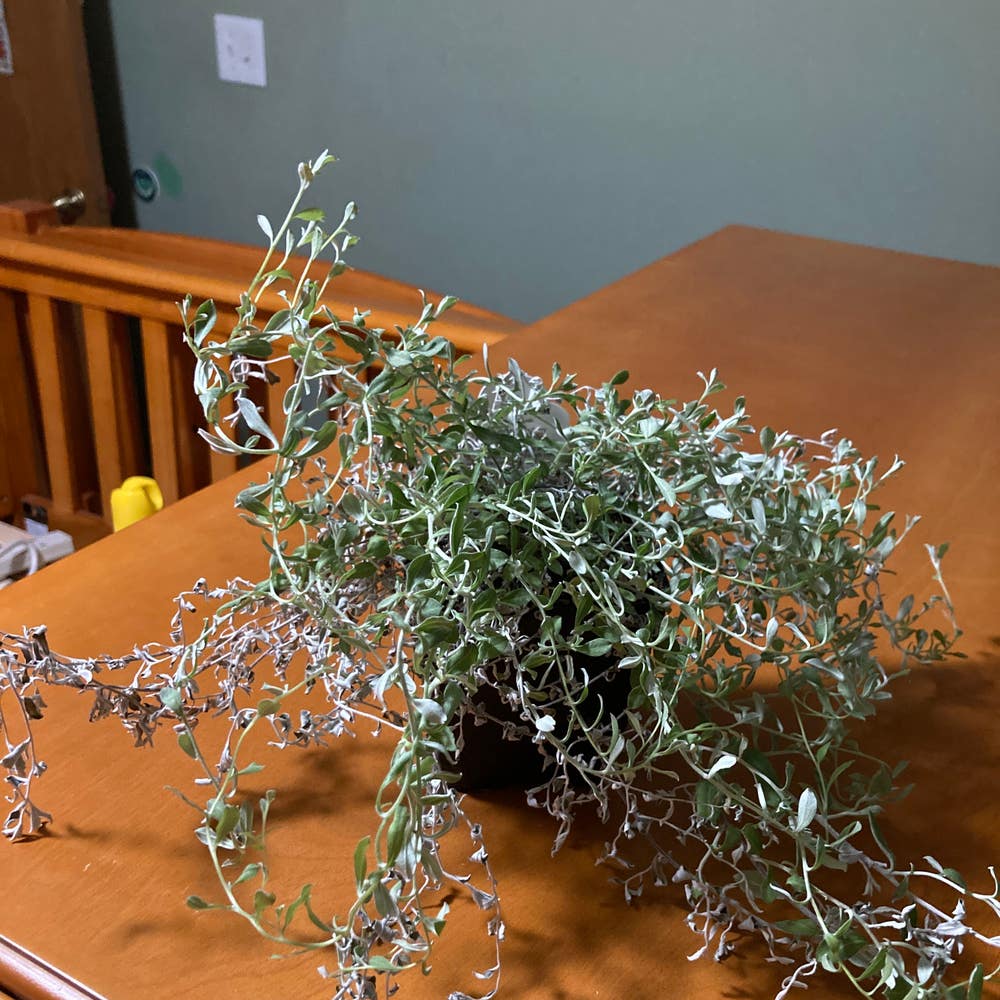
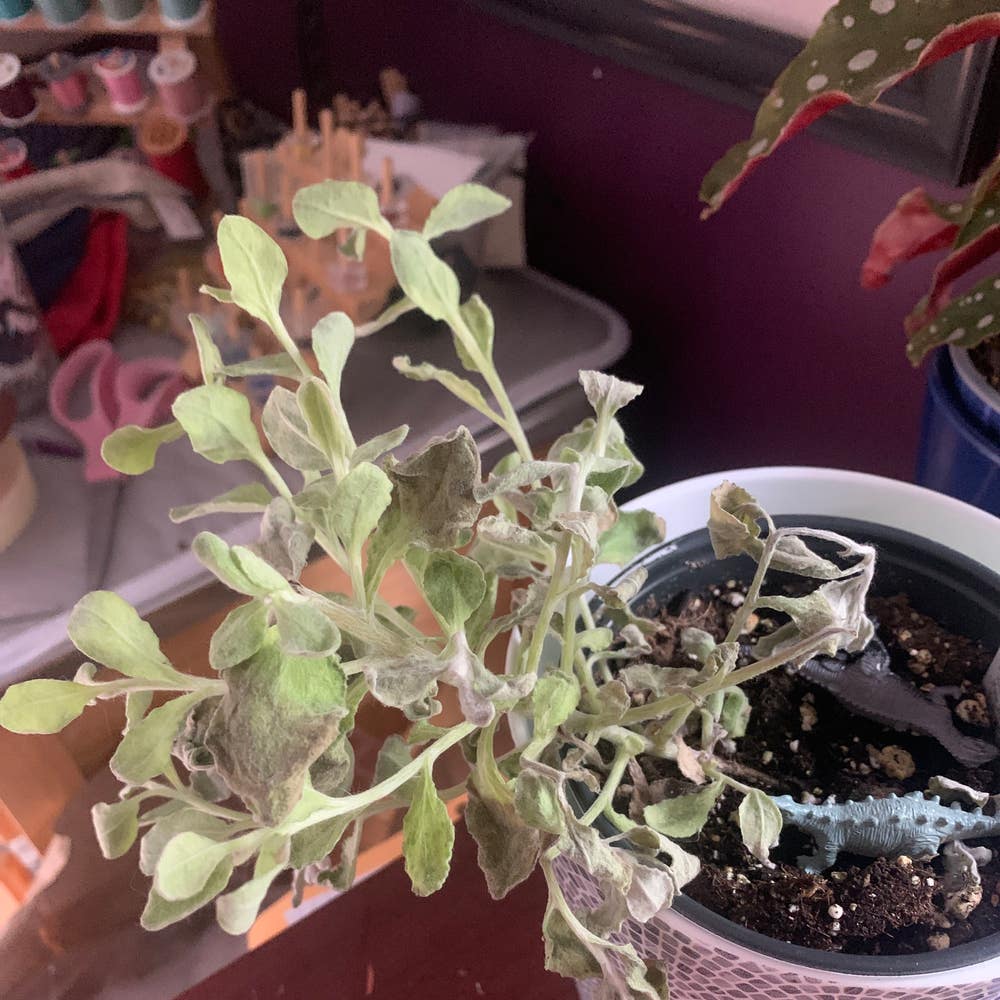
When your Licorice Plant starts shedding leaves like a mall on Black Friday, it's not just throwing a tantrum; it's stressed. Early signs include a sudden increase in fallen leaves, a deviation from the plant's usual leaf-shedding pattern. Discoloration or wilting can also be a giveaway that your green buddy is calling for help.
📅 Seasonal vs. Problematic Leaf Drop
Leaf drop in Licorice Plants can be as normal as forgetting your keys once in a while. But when it's more like losing your keys every day, there's a problem. Seasonal leaf drop happens gracefully and predictably, while problematic leaf drop is erratic and often accompanied by other symptoms of distress. Keep an eye on the calendar and the thermometer; if your plant is dropping leaves out of season, it's time to play detective.

The Usual Suspects: Common Causes of Leaf Dropping
💧 Too Much Love: Overwatering Woes
Overwatering is the silent killer of the licorice plant, leading to root suffocation and inevitable leaf drop. Roots need oxygen as much as they need water; too much of the latter and they're essentially drowning. Yellowing leaves and a general look of despair are your plant's way of saying, "Help, I can't swim!" To correct this, let the soil dry out before giving it another drink, and always ensure your pot has proper drainage.
🏜️ Thirsty Roots: The Perils of Underwatering
Conversely, underwatering turns your licorice plant into a desert survivor, shedding leaves to conserve its limited resources. Signs of a thirsty plant include wilted, dry leaves that crumble at a touch. The fix? Check the top inch of soil; if it's dry, it's time to water. But don't go overboard—consistent, moderate watering is key.
🌞 Feeling the Burn: Light and Temperature Stress
Too much sun can scorch your licorice plant's leaves, causing them to drop like flies. If your plant is wilting or the leaves look like they've been in a tanning bed too long, it's time to dial back the sun exposure. On the flip side, too little light can lead to weak, yellow leaves. Find that sweet spot where your plant gets bright, indirect light. Temperature swings are also a no-go; these plants dislike the drama of a hot and cold relationship. Keep the environment stable to avoid leaf loss.

Uninvited Guests: Pests and Diseases Leading to Leaf Loss
🐛 Pests That Prey on Licorice Plants
Your licorice plant might be hosting a pest party without your invitation. Spider mites and aphids are the usual suspects, turning your plant's leaves into an all-you-can-eat buffet. These pests suck the life out of leaves, causing them to drop like flies.
🕷️ Spotting the Culprits
Look for webbing or sticky residue under leaves or along stems. These are telltale signs that pests are crashing at your plant's pad.
🚫 Eviction Notice
Once you spot these freeloaders, it's time to take action. A strong blast of water or some insecticidal soap can be the equivalent of calling the pest police. For tougher infestations, neem oil might just be the SWAT team you need.
🍄 Fungal Foes and Disease Dilemmas
Fungi and diseases are the silent but deadly types, often going unnoticed until your plant starts shedding leaves like a dog in summer. Root rot is a common affliction if your licorice plant's soil is more swamp than soil.
🚨 Symptoms to Watch For
Be vigilant for greyish-white spots or brown edges on leaves. These are distress signals from your plant, begging for intervention.
💊 The Recovery Plan
If you catch these fungal party poopers early, you might save the soirée. Remove affected leaves and improve air circulation. Sometimes, that's all it takes. If the problem persists, it's time to bring out the big guns: fungicides.
Remember, the best offense is a good defense. Regular inspections and preventative measures keep these uninvited guests from ever stepping foot in your plant's door. Keep the soil well-drained and the leaves dry to make your plant's home less inviting to these troublemakers.

Turning Over a New Leaf: Prevention and Recovery Strategies
💧 Watering Wisdom: Finding the Balance
Watering your Licorice Plant is less about sticking to a strict schedule and more about observing and responding to its needs. Check the soil's moisture by feeling the top inch—if it's dry, it's time to water. Remember, your plant craves consistency, so aim for a routine that keeps the soil evenly moist, not waterlogged.
🏡 Creating the Ideal Home: Environmental Tweaks
Your Licorice Plant doesn't need a palace, but it does require the right conditions to flourish. Ensure good air circulation to fend off diseases, and place it in an area with bright, indirect light. If you're blasting the AC or the heater, keep your plant out of the line of fire to avoid temperature stress.
🐜 Keeping Pests at Bay
Pests are like uninvited guests at a dinner party—they show up unannounced and wreak havoc. Inspect your Licorice Plant regularly for freeloaders. If you spot trouble, isolate the plant and treat it with insecticidal soap or neem oil. Prevention is key, so keep those leaves clean and shiny to deter pests.
🦠 Disease Defense Tactics
Diseases can turn your plant's leaves into a botanical horror show. Avoid overwatering to prevent root rot, and if you spot any funky fungi, act fast by removing affected leaves and improving air circulation. Consider using a fungicide as a preventive measure, but only as needed.
Remember, your plant's health is a reflection of the care you provide. Stay vigilant, adapt your strategies with the seasons, and your Licorice Plant will reward you with robust health and resilience.
⚠️ Safety First
This content is for general information and may contain errors, omissions, or outdated details. It is not medical, veterinary advice, or an endorsement of therapeutic claims.
Always consult a qualified healthcare professional before using any plant as food, medicine, or supplement.
Never eat any plant (or feed one to pets) without confirming its identity with at least two trusted sources.
If you suspect poisoning, call Poison Control (800) 222-1222, the Pet Poison Helpline (800) 213-6680, or your local emergency service immediately.
Spotted an error? Please report it here.
Combat unexpected leaf drop and nurture 🌿 your licorice plant back to health with Greg's tailored watering schedules and health check alerts.