Black Spots on My Licorice Plant Leaves
Helichrysum petiolare
By the Greg Editorial Team
Jun 18, 2024•3 min read
This article was created with the help of AI so we can cover more plants for you. May contain errors. See one? Report it here.
Banish black spots 🌚 from your Licorice Plant with our expert prevention and cure guide!
- Fungi and bacteria cause black spots; humidity and overwatering invite them.
- Water in the morning and ensure good air circulation for plant health.
- Prune and sanitize to prevent spread and recurrence of black spots.
Spotting the Culprit: Recognizing Black Spots
🕵️ What Do They Look Like?
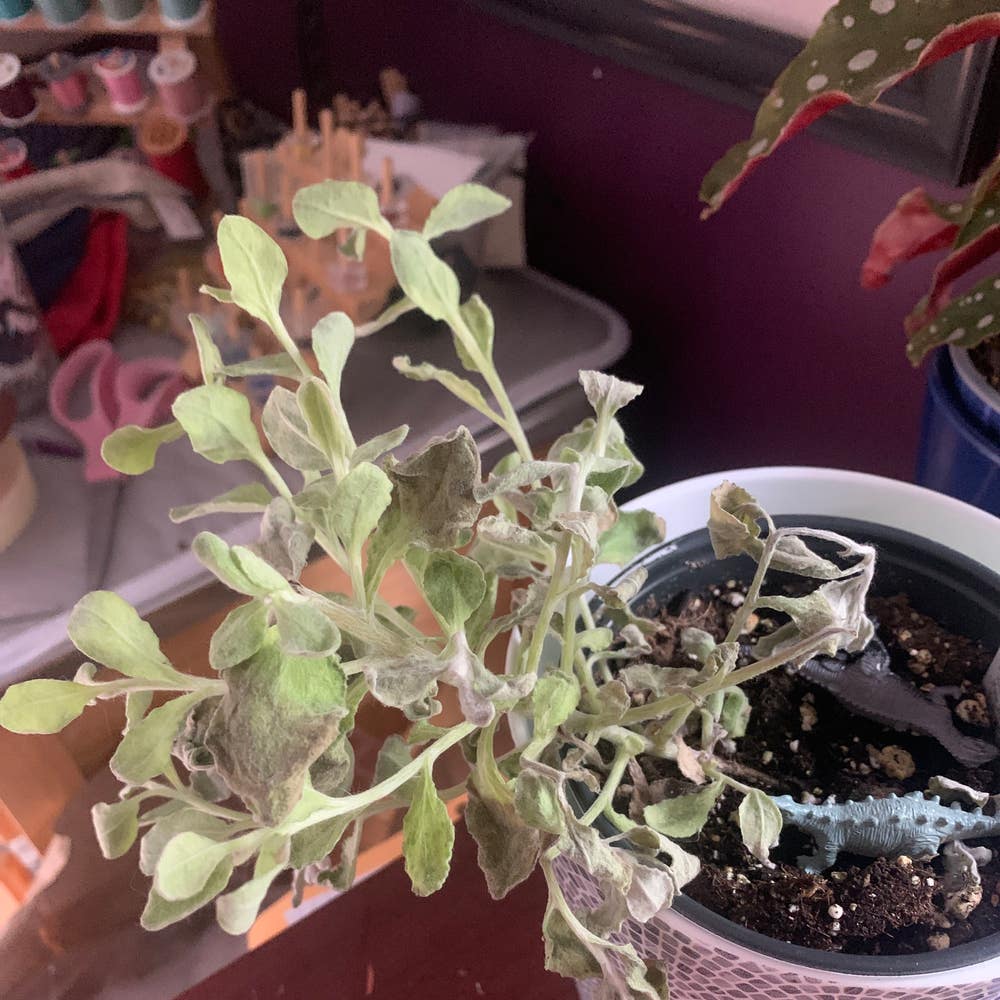
Black spots on Licorice Plant leaves are hard to miss. They're the bane of pristine foliage, usually dark and distinct. Sizes vary, but they love to hang out on the leaf tops, creating a stark contrast with the green.
📸 Picture This!
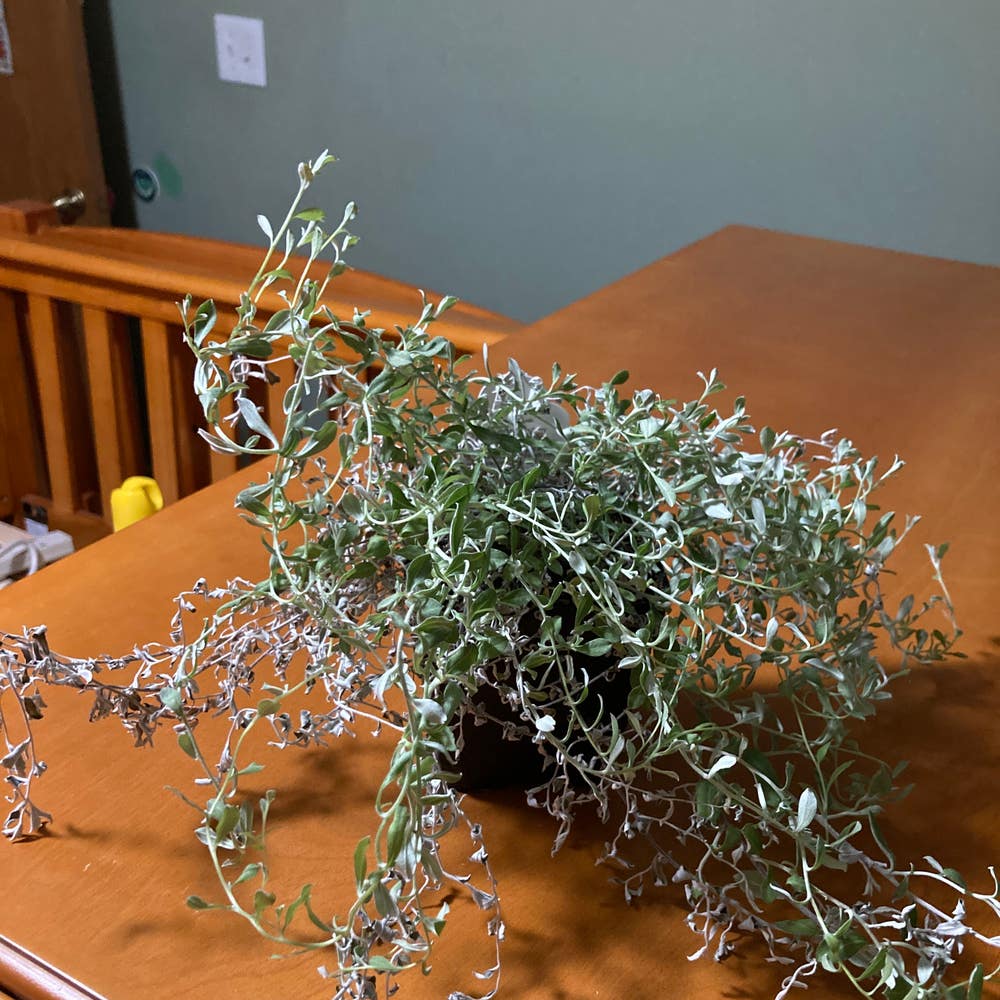
Visual identification is key. I'm including images to help you spot these party crashers. Keep an eye out for the yellowish halos—they're like spotlights announcing the presence of these unwanted guests.

Why Are These Spots Crashing the Party?
🍄 Fungal Fiestas: When Fungi Love Your Plant Too Much
Fungi are the main culprits behind black spots on Licorice Plant leaves. They thrive in moist environments, turning your plant into their personal disco. Common fungal offenders include Phyllosticta, Alternaria, and Cercospora, which are akin to the DJs of the fungal world, each spinning their own brand of spotty chaos.
High humidity and poor air circulation are like sending out open invitations to these microscopic party animals. Overwatering is practically a VIP pass, ensuring these fungi have a moist and cozy venue to proliferate.
🦠 Bacterial Gatecrashers: Uninvited and Unwanted
Bacterial leaf spot is another uninvited guest, often arriving stealthily and spreading quickly. Pseudomonas and Xanthomonas are two bacterial bouncers known for gatecrashing the serene life of your Licorice Plant. They bring along water-soaked lesions that eventually turn into the dreaded black spots.
These bacteria love to move in when conditions are wet and cramped. Stagnant air and waterlogged soil are their favorite dance floors. If you're not vigilant, they'll turn your plant's leaves into a bacterial mosh pit, leaving behind a trail of blackened foliage.

Keeping Black Spots Off the Guest List
💧 Water Wisely
Overwatering is like sending out an open invite to fungi and bacteria. Check the soil before you water; if it's dry, it's time to hydrate. Aim for early morning watering sessions, so the sun can help leaves dry out, minimizing the risk of unwanted guests.
🌬 Let It Breathe
Plants need their personal space, too. Ensure good air circulation to prevent a fungal mosh pit. Indoors, use fans; outdoors, space plants apart. It's like setting up a dance floor—everyone needs room to bust a move without bumping into each other.

None
After-Party Cleanup: Pruning and Sanitation
✂️ Snip, Snip! Pruning Away Problems
When black spots mar your Licorice Plant's leaves, prune without pity. Sterilize your shears with alcohol or a bleach solution before and after each cut to prevent spreading the funk. Snip the spotted leaves when dry to avoid a pathogen party. Remember, you're on a seek-and-destroy mission against disease, not a foliage free-for-all; don't remove more than 20% of the plant.
🧹 Cleanliness is Plantiness
After the pruning purge, don't let the fallen foliage fester. Bag up the diseased leaves and bid them farewell via the trash—composting is a no-go zone. Keep your garden space as clean as a whistle; lingering debris is a VIP invite for pests and disease. Disinfect your tools post-op and store them sharper than a tack. Regular cleanups aren't just about aesthetics; they're a strategic strike against future black spot blitzes.
⚠️ Safety First
This content is for general information and may contain errors, omissions, or outdated details. It is not medical, veterinary advice, or an endorsement of therapeutic claims.
Always consult a qualified healthcare professional before using any plant as food, medicine, or supplement.
Never eat any plant (or feed one to pets) without confirming its identity with at least two trusted sources.
If you suspect poisoning, call Poison Control (800) 222-1222, the Pet Poison Helpline (800) 213-6680, or your local emergency service immediately.
Spotted an error? Please report it here.
Eradicate black spots 🍃 on your Licorice Plant with Greg's tailored reminders for smart watering and timely pruning, ensuring a lush, spot-free foliage.