Why Are My Licorice Plant Leaves Turning Yellow? 💛
Helichrysum petiolare
By the Greg Editorial Team
Jun 18, 2024•4 min read
This article was created with the help of AI so we can cover more plants for you. May contain errors. See one? Report it here.
Revive your Licorice Plant's glow 🌿 by tackling the yellow leaf mystery with our expert guide!
- 🌞 Too much or little light? Adjust exposure for healthy leaves.
- 💧 Watering balance is key—not too much, not too little.
- 🌱 Nutrient balance and pest control prevent yellowing and maintain health.
Sunlight Snafus: Finding the Sweet Spot
⛅️ Too Little Light
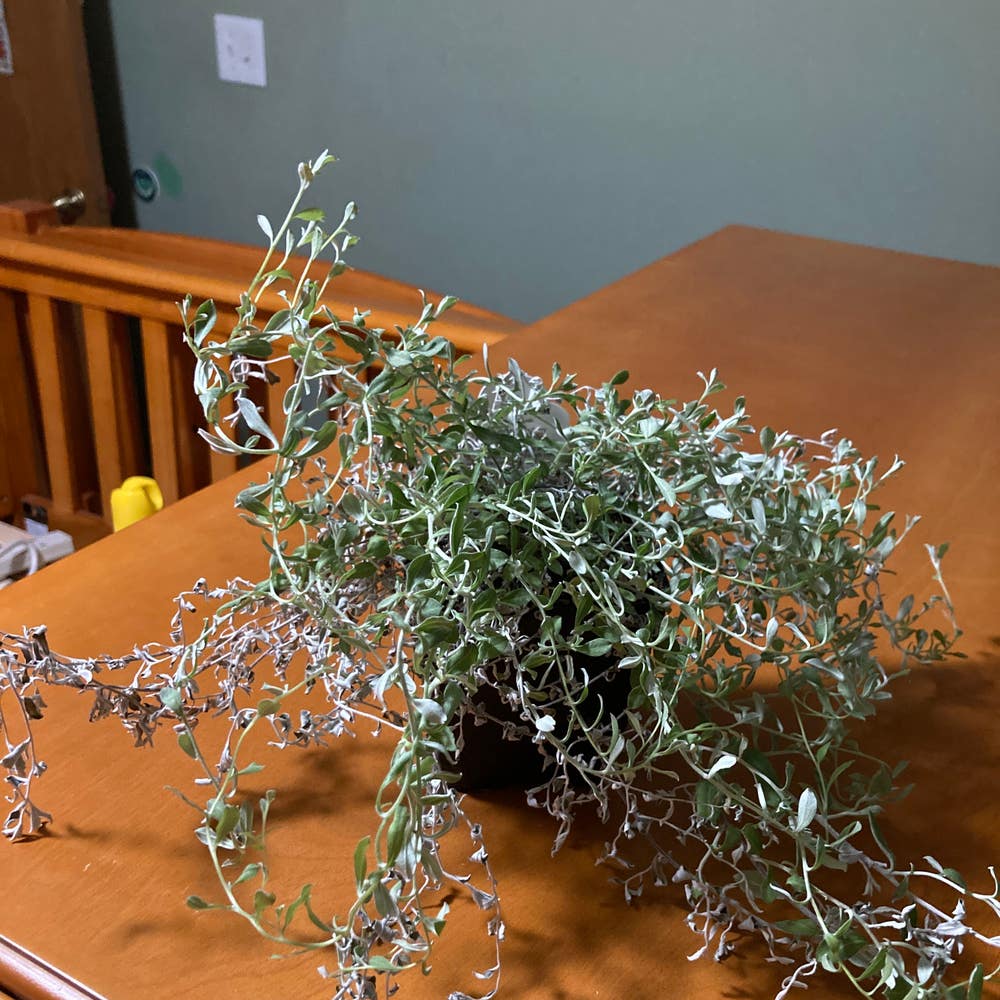
Light deprivation in Licorice Plants manifests as elongated stems and sparse leaves. The plant may seem to be reaching for more light, often resulting in a leggy appearance.
To remedy this, gradually increase exposure to bright, indirect light. Consider a move closer to a window or supplement with grow lights, ensuring not to shock the plant with sudden changes.
☀️ Too Much Sun
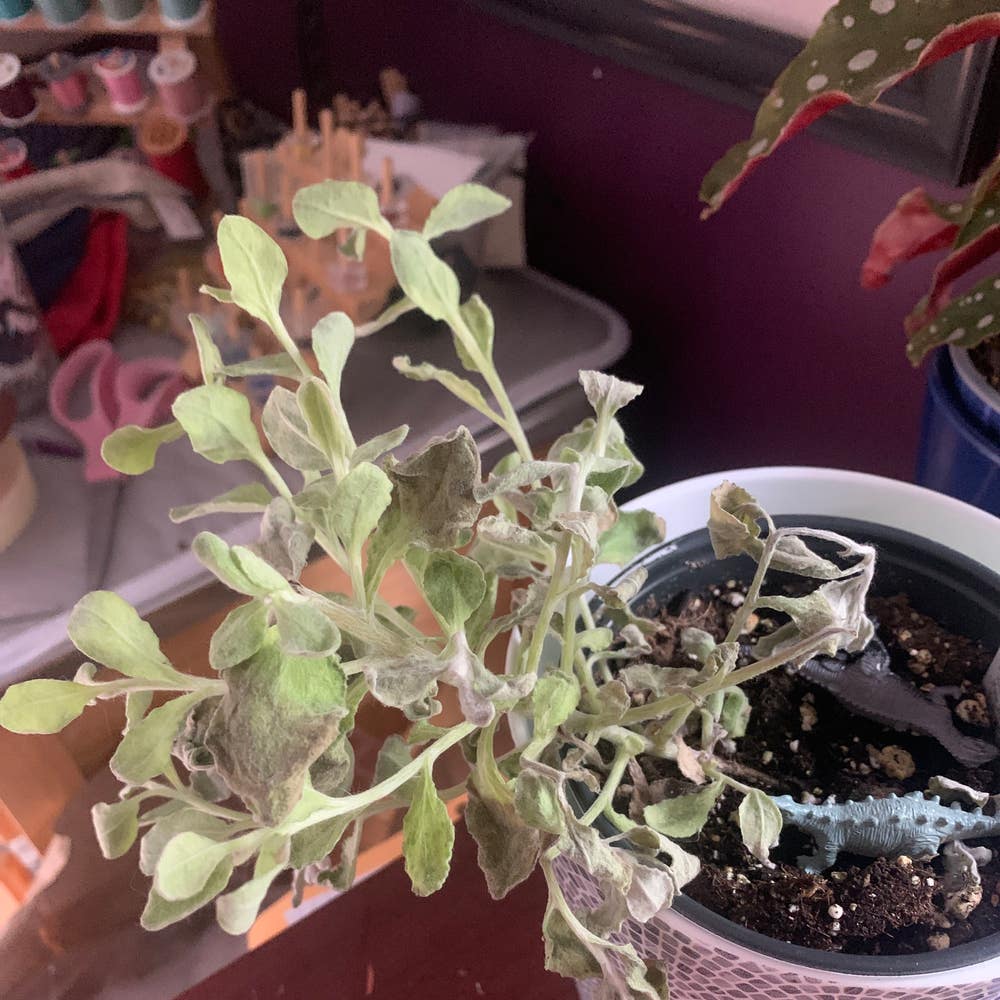
Symptoms of sunburn on Licorice Plant leaves include crispy edges, bleached spots, and a general washed-out look. This is the plant's SOS for too much direct sunlight.
Implement shade strategies such as relocating to a spot with filtered light, using sheer curtains, or placing under a canopy of taller plants. Monitor closely to prevent further damage and encourage recovery.

Water Woes: Striking the Right Balance
🌊 Overwatering Hazards
Recognizing the Signs of Waterlogged Roots
Overwatering can turn your Licorice Plant's roots into a soggy mess, leading to yellow leaves and a plant that looks more miserable than a washed-out beach picnic. If the soil feels more like wet laundry than a moist cake, you've gone too far.
Adjusting Your Watering Routine
To fix this, let the soil dry out before giving your plant another drink. Consistency is key; establish a watering schedule that's more regular than your morning coffee ritual. If root rot has set in, it's time to play plant surgeon—remove the affected roots and repot in fresh, well-draining soil.
🏜️ Underwatering Issues
Symptoms of Drought Stress
Underwatering leaves your Licorice Plant looking as parched as a desert cactus, with leaves that are crispy to the touch. If the leaves droop like they've just heard bad news, it's a cry for hydration.
How to Hydrate Responsibly
When watering, think of it as a refreshing shower rather than a flood—thorough but not overdone. Allow the water to soak in, then check the soil again; it should be damp, not drenched. If your plant's been underwatered, don't expect an overnight miracle—give it time to bounce back.

Nutrient Know-How: Feeding for Green Leaves
🌱 Spotting Deficiencies
Yellow leaves on your Licorice Plant could be screaming for nutrients. Older leaves turning yellow might mean a nitrogen deficit, while younger, paler leaves often cry out for iron. Grab a balanced fertilizer, but keep it cool—think of it as a nutrient nudge, not a shove.
🚫 Overfertilization
Too much fertilizer is like a sugar rush for your plant—quick high, nasty crash. Symptoms include leaf burn and a general look of "I've had better days." If you've been heavy-handed, it's time for some damage control. Flush the soil with water to wash away the excess and give your plant a chance to breathe. Remember, your plant's diet should be more like a well-rounded meal, not an all-you-can-eat buffet.

Pest Patrol and Disease Defense
🐛 Common Culprits
Detecting pests and diseases in your Licorice Plant can be like playing detective. Look for mealybugs, spider mites, and nematodes, which are notorious for causing yellow leaves. These tiny terrors suck the life out of your plant, leaving behind a telltale pallor.
Natural treatments such as neem oil or insecticidal soap can be effective. For diseases, remove the affected foliage to halt their spread. Fungal foes like root and crown rot require improved drainage and air circulation to combat their stealthy advances.
🛡️ Prevention Tactics
Routine checks are your plant's personal bodyguard against pests and diseases. Keep the area clean and clutter-free; pests thrive in mess. If you spot early signs of trouble, such as discolored leaves or sticky residue, act fast. Sometimes, you may need to bring out the chemical treatments, but always follow the instructions carefully to avoid harming your plant.
⚠️ Safety First
This content is for general information and may contain errors, omissions, or outdated details. It is not medical, veterinary advice, or an endorsement of therapeutic claims.
Always consult a qualified healthcare professional before using any plant as food, medicine, or supplement.
Never eat any plant (or feed one to pets) without confirming its identity with at least two trusted sources.
If you suspect poisoning, call Poison Control (800) 222-1222, the Pet Poison Helpline (800) 213-6680, or your local emergency service immediately.
Spotted an error? Please report it here.
Banish yellow leaves and keep your Licorice Plant thriving 🌱 with Greg's personalized care reminders, ensuring you strike the right balance of light, water, and nutrients!