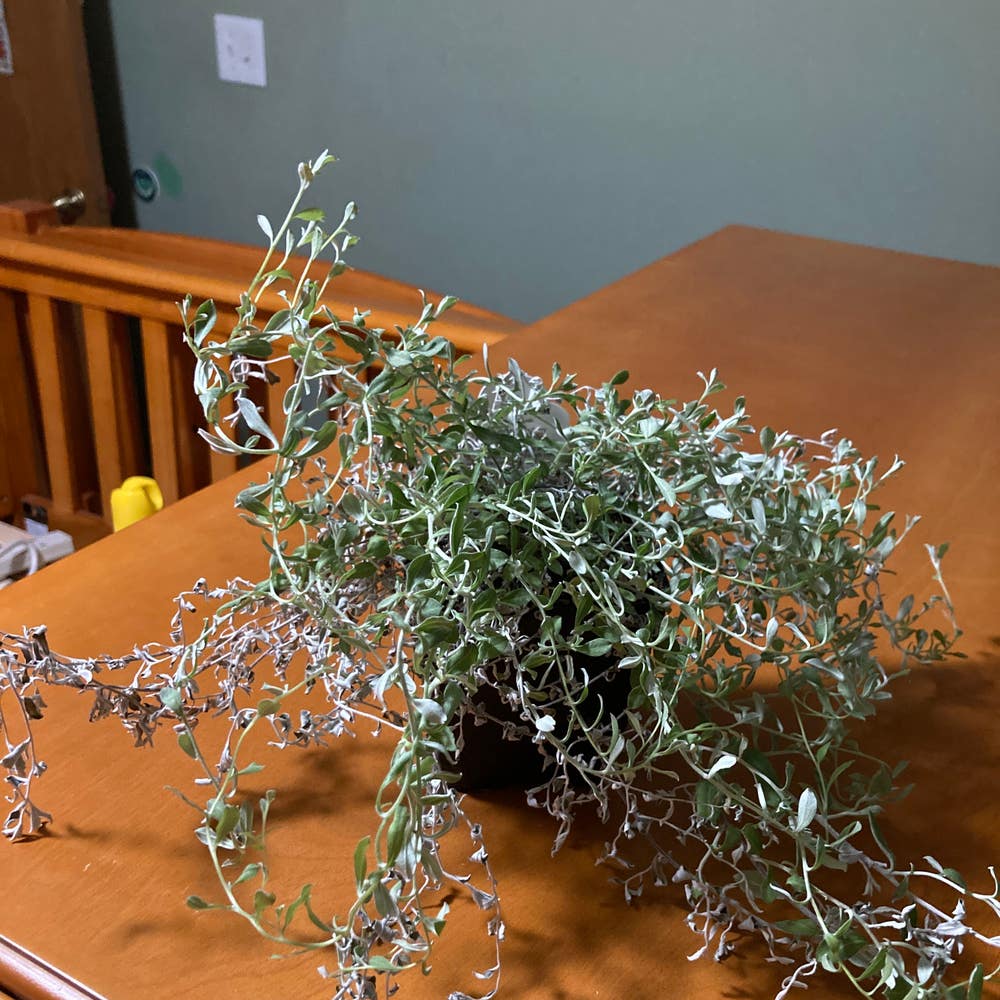
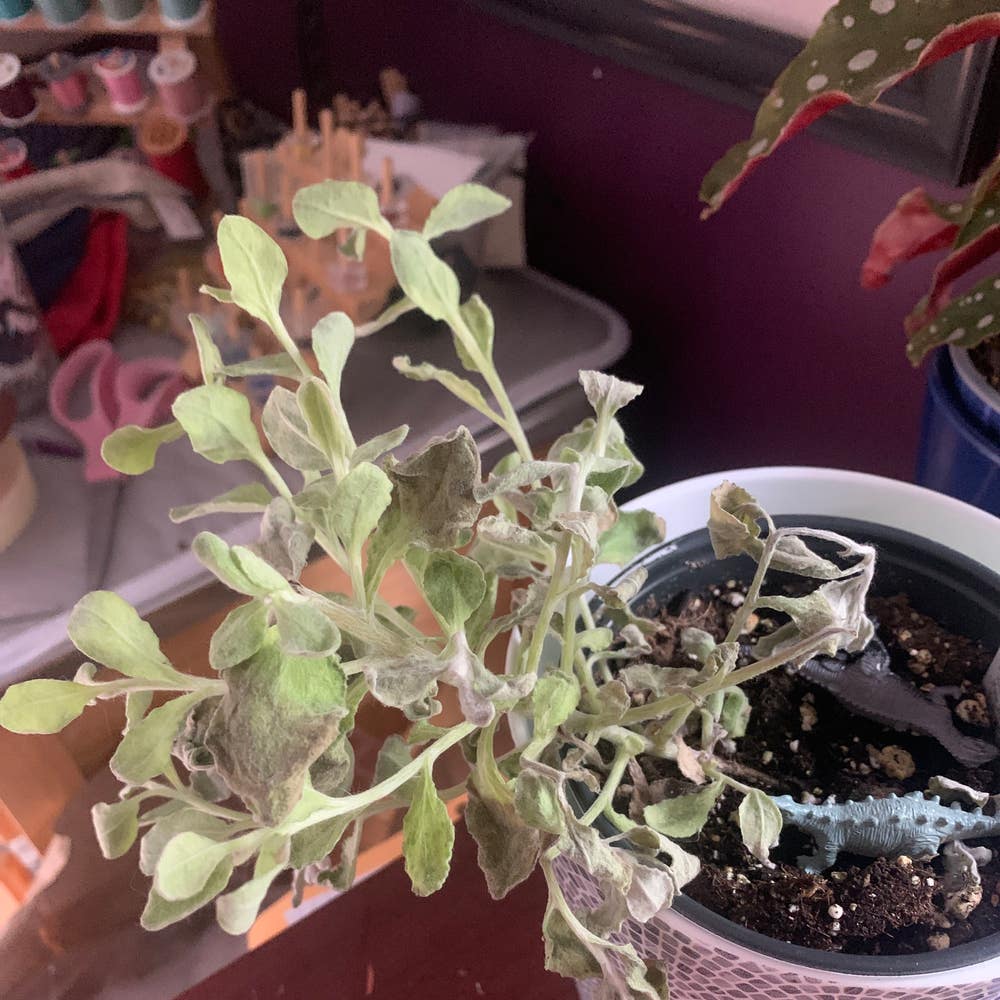
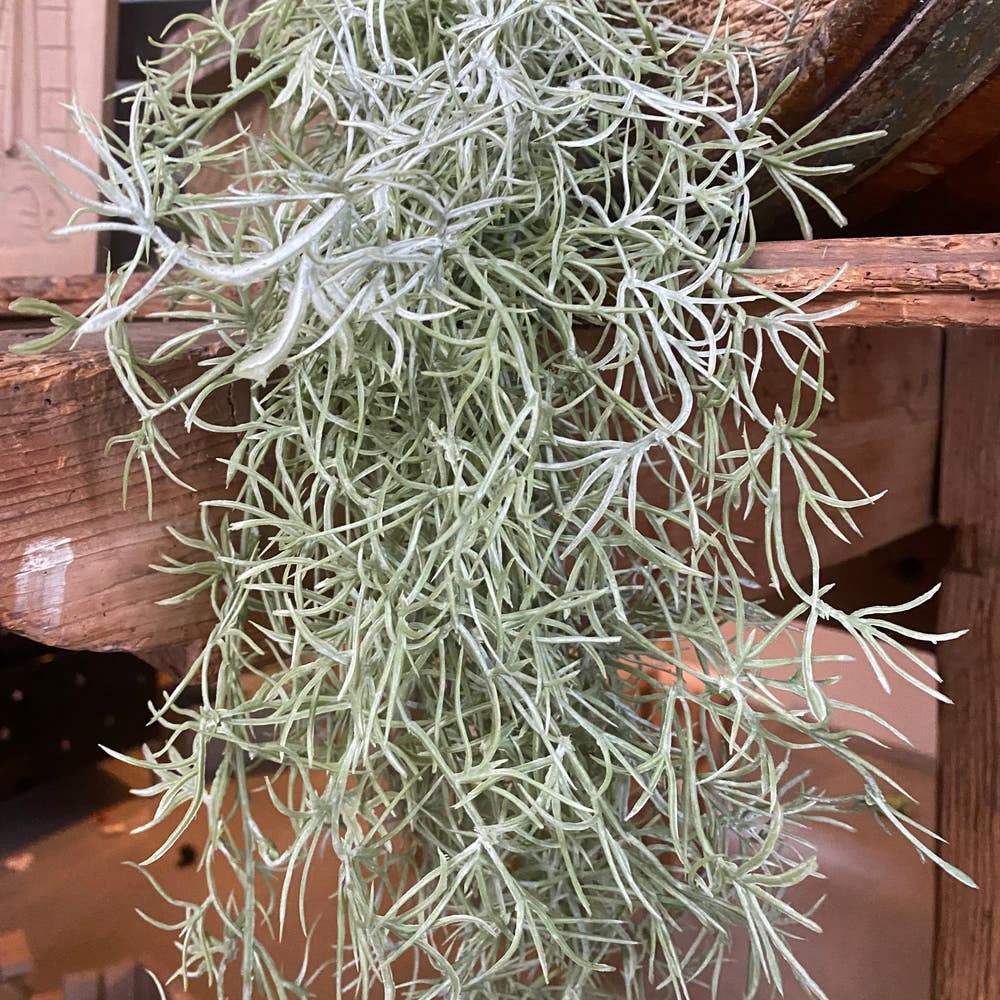
🔍 How to Fix Black Spots on Your Silver Helichrysum
Helichrysum petiolare
By the Greg Editorial Team
Oct 12, 2024•5 min read
This article was created with the help of AI so we can cover more plants for you. May contain errors. See one? Report it here.
Learn to eliminate black spots on your Helichrysum and ensure your plant thrives! 🌱
- 🌱 Black spots on Silver Helichrysum stem from fungi, pests, or environmental stress.
- 🦠 Fungal infections thrive in humidity; improve air circulation to combat them.
- 🔍 Regular inspections help identify issues early, ensuring a healthy plant.
Causes of Black Spots
🦠 Fungal Infections
Fungal infections are a primary culprit behind black spots on your silver Helichrysum. Common types include powdery mildew and leaf spot, both thriving in high humidity and poor air circulation.
To combat these issues, ensure your plants are in a well-ventilated area. This simple adjustment can significantly reduce the likelihood of fungal growth.
🐜 Pests
Pests like aphids and spider mites can also lead to unsightly black spots. These tiny invaders damage leaves, causing discoloration and stress to the plant.
Regularly inspecting your plants for these pests can help you catch infestations early. The sooner you act, the better your chances of saving your Helichrysum.
🌧️ Environmental Stress
Environmental stressors, particularly overwatering, can severely impact leaf health. Excess moisture can lead to root rot, which manifests as black spots on the leaves.
Low light conditions and poor soil drainage further exacerbate these issues. Ensuring your Helichrysum receives adequate light and has well-draining soil is crucial for its overall health.
Understanding these causes is the first step in addressing black spots effectively. Next, we’ll explore how to diagnose the problem accurately.
Diagnosing the Problem
How to Inspect Leaves for Black Spots 🌿
Diagnosing black spots on your silver Helichrysum starts with a thorough inspection.
- Examine the upper and lower leaf surfaces: Look closely for any discoloration or texture changes.
- Look for patterns in the spots: Are they random or clustered? This can indicate the underlying issue.
- Check for additional symptoms: Signs like webbing or sticky residue can point to pests.
Differentiating Between Fungal and Pest-Related Issues 🦠
Understanding the difference between fungal infections and pest infestations is crucial for effective treatment.
Key indicators of fungal infections include a powdery appearance and spots that spread rapidly.
On the other hand, key indicators of pest infestations are the presence of insects, webbing, or honeydew, which is a sticky substance left behind by pests.
By carefully inspecting your plant, you can identify the root cause of the black spots and take appropriate action.
Next, we’ll explore how to treat these issues effectively.
Treating Black Spots
Step-by-Step Guide to Treating Fungal Infections 🌱
To effectively tackle fungal infections on your Helichrysum, start by identifying the specific type. This initial step is crucial for choosing the right treatment.
Next, carefully remove any affected leaves using clean, sharp scissors. This prevents the spread of the infection and keeps your plant healthy.
After that, apply an appropriate fungicide or organic treatment. Make sure to follow the instructions for dosage and application to ensure effectiveness.
Finally, monitor your plant's health post-treatment. Keep an eye out for any signs of improvement or further issues.
Recommended Organic Treatments and Fungicides 🌿
For organic options, consider using neem oil or a baking soda solution. Both are effective and gentle on your plant.
If you prefer chemical fungicides, look for specific brands that are known to work well with Helichrysum. Always check the application rates to avoid overuse.
How to Remove Affected Leaves Safely ✂️
When removing affected leaves, use sterilized tools to prevent further infection. This simple step can make a significant difference in your plant's recovery.
Dispose of the leaves properly to avoid spreading spores. A sealed bag is a great option to ensure they don't contaminate other plants.
By following these steps, you can effectively treat black spots on your Helichrysum and promote a healthier plant. Next, let’s explore how to prevent future occurrences and keep your plant thriving.
Preventing Future Occurrences
Best Practices for Watering and Soil Moisture 🌧️
To keep your silver Helichrysum healthy, it's crucial to establish an ideal watering schedule. Allow the soil to dry out between waterings to prevent overwatering, which can lead to root rot and black spots.
Testing soil moisture is equally important. Use a moisture meter for accuracy, or simply stick your finger into the soil to gauge its dampness. This simple practice can save your plant from unnecessary stress.
Importance of Sunlight and Air Circulation ☀️
Your Helichrysum thrives in full sun, requiring 6 to 8 hours of direct sunlight daily. Positioning your plant in a bright spot will enhance its resilience against diseases and pests.
Air circulation is another key factor. Pruning techniques and proper spacing between plants can significantly improve airflow, reducing the likelihood of fungal infections. A little attention here goes a long way.
Regular Maintenance and Inspection Tips 🔍
Regular inspections are vital for early detection of issues. Aim for weekly checks during the growing season to catch any signs of trouble before they escalate.
Early intervention is your best defense. By staying proactive, you can address potential problems swiftly, ensuring your Helichrysum remains vibrant and healthy.
With these preventive measures in place, you’ll be well-equipped to maintain the beauty of your silver Helichrysum. Next, let’s explore some common misconceptions about black spots and plant health.
Common Misconceptions
🕵️♂️ Myths About Black Spots and Plant Health
One common misconception is that black spots on your silver Helichrysum always indicate a disease. In reality, these spots can also arise from environmental stress or pest infestations.
Understanding this distinction is crucial for effective plant care. Not every blemish means your plant is doomed; sometimes, it just needs a little TLC.
🐛 Clarifying the Role of Pests vs. Environmental Stress
Both pests and environmental stress can contribute to leaf problems, and recognizing this balance is essential. For instance, overwatering can weaken a plant, making it more susceptible to pests.
Holistic plant care is vital to mitigate these risks. Regular inspections and adjustments to your care routine can keep your Helichrysum thriving and free from black spots.
With this knowledge, you can approach your plant's health with confidence, ensuring it receives the best care possible.
⚠️ Safety First
This content is for general information and may contain errors, omissions, or outdated details. It is not medical, veterinary advice, or an endorsement of therapeutic claims.
Always consult a qualified healthcare professional before using any plant as food, medicine, or supplement.
Never eat any plant (or feed one to pets) without confirming its identity with at least two trusted sources.
If you suspect poisoning, call Poison Control (800) 222-1222, the Pet Poison Helpline (800) 213-6680, or your local emergency service immediately.
Spotted an error? Please report it here.
Keep your silver Helichrysum vibrant and healthy 🌿 by using Greg's tailored care tips and community insights to tackle black spots before they spread!