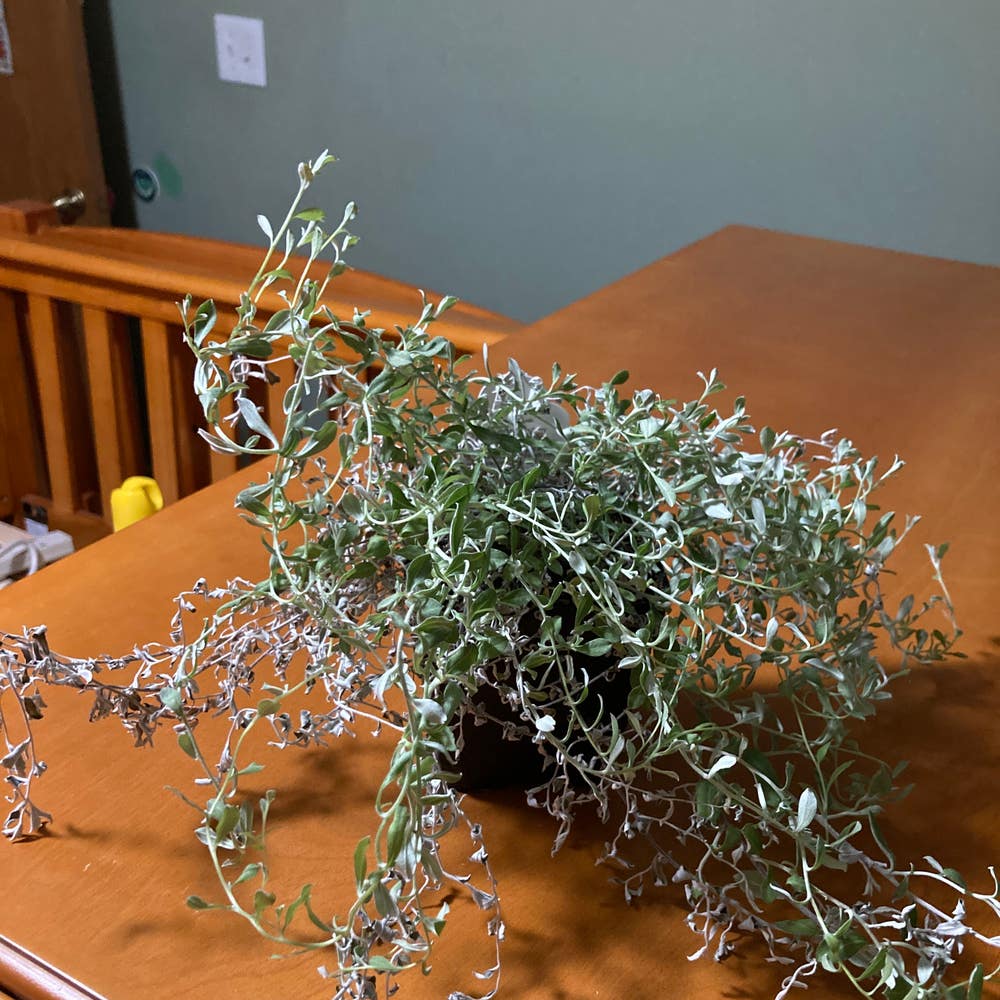
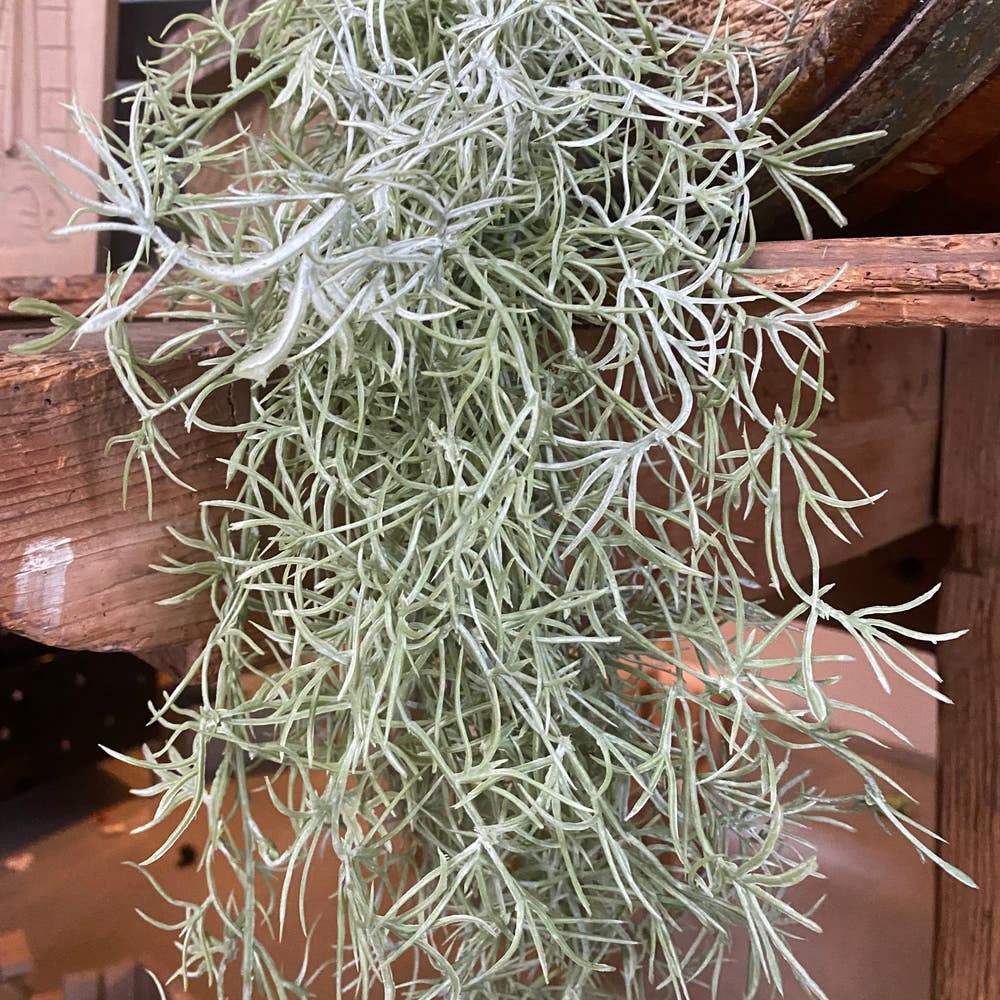
How Much Should I Water My Licorice Plant?
Helichrysum petiolare
By the Greg Editorial Team
Jun 18, 2024•4 min read
This article was created with the help of AI so we can cover more plants for you. May contain errors. See one? Report it here.
Nurture your licorice plant to perfection 🌿 by learning the precise watering it craves—say goodbye to over or underwatering!
- 🌱 Yellow leaves and root rot: Overwatering; wilting, dry leaves: Underwatering.
- 💧 Test soil dryness with finger or moisture meter; adjust for climate factors.
- 📅 Create a watering schedule, use deep watering, and monitor plant health regularly.
Spotting the Signs: Overwatering vs. Underwatering
🚰 Symptoms of Overwatering
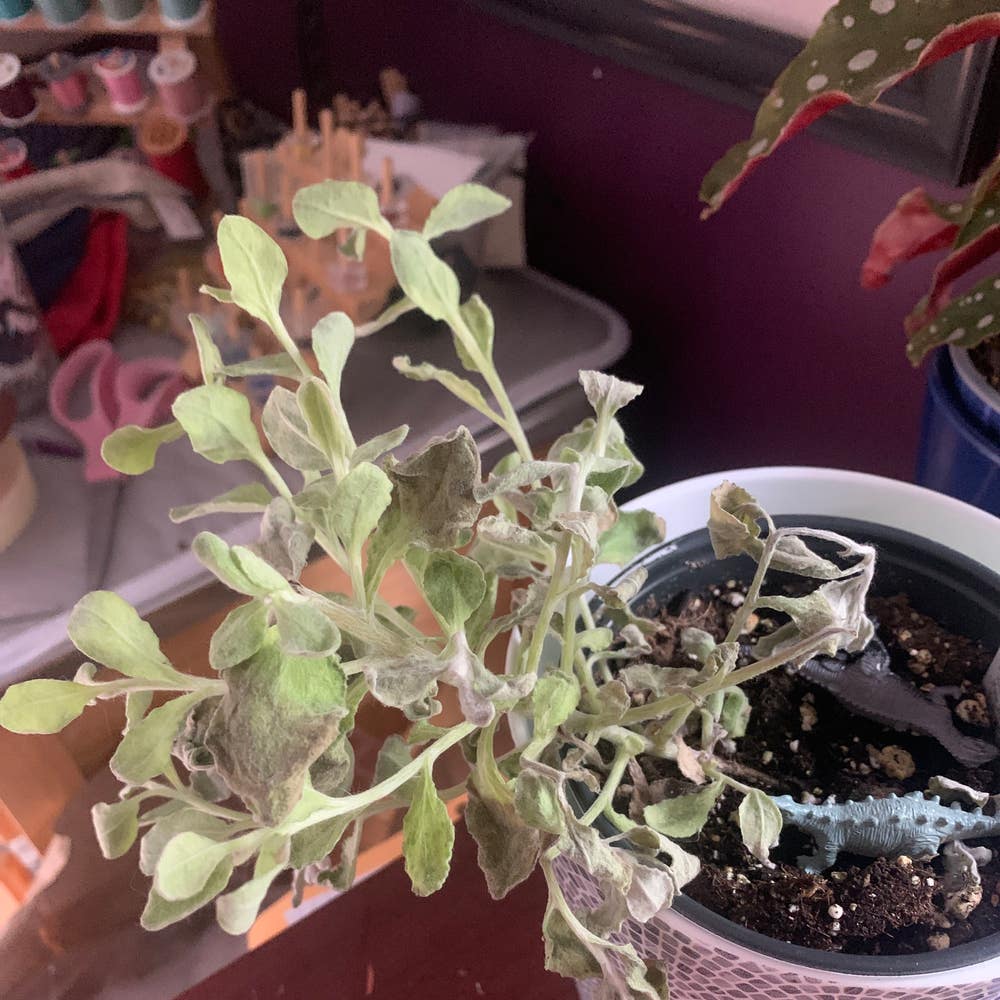
Yellowing leaves are the classic telltale of too much water for your licorice plant. When the green fades to a sickly yellow, it's a clear signal to ease up on watering.
Root rot is another serious consequence of overwatering. This condition turns healthy roots into a mushy, decaying mess, compromising the plant's ability to absorb nutrients and water.
🏜️ Symptoms of Underwatering
Wilting is your licorice plant's way of saying it's thirsty. If the leaves droop and the plant looks sad, it's time for a drink.
Leaves that are dry and crispy to the touch indicate that your plant is dehydrated. This is a sign that your watering schedule needs a prompt adjustment.

When to Water: Reading Your Licorice Plant's Thirst
💧 Checking Soil Moisture
To test soil dryness, stick your finger into the soil up to your second knuckle. If it feels dry, it's time to water. For gadget lovers, a moisture meter can give you a digital readout of the soil's moisture level, no dirt under the fingernails required.
🛠 Tools to Use for Moisture Checking
- Finger test (free and easy)
- Wooden chopstick (the sushi leftover method)
- Moisture meter (for the tech-savvy plant parent)
🌍 Environmental Factors
Adjust your watering schedule based on your home's climate. If you're living in a sauna or the Sahara, your licorice plant will drink more. Cooler or cloudier? Less is more. Remember, plants don't follow calendars; they follow Mother Nature's mood swings.
🌡 Adjusting for Temperature and Humidity
- High heat or low humidity? Water more.
- Cool or cloudy? Ease up on the watering can.
🌞 Considering Sunlight Exposure and Seasonal Changes
Sun worshipper plants need more water. If your licorice plant is basking in the sun's glory, it'll need a more frequent sip. As for seasons, think of your plant as having seasonal affective disorder; it's less thirsty when the sun is on vacation.

How to Water: Techniques for Hydrating Your Licorice Plant
💧 Watering Methods
Best practices for watering your licorice plant involve a delicate balance. Use a soak and dry method, allowing the top few inches of soil to dry between waterings. This encourages healthy root growth and prevents waterlogging.
For deep watering, ensure the water reaches the roots where it's needed most. Avoid shallow sprinkles that don't penetrate the soil; they're about as useful as a rain dance during a drought.
🔄 Frequency and Amount
Creating a watering schedule is more art than science. Start with watering once a week, then adjust based on your plant's feedback. If the leaves look like they're throwing a tantrum, it's time to re-evaluate.
How much water to give each time? A good rule of thumb is 0.5 cups for a 5" pot every 9 days, but keep an eye on the soil. It should be your guide, not the calendar. If your plant's thirstier than expected, don't be stingy—give it a drink.

Keeping It Consistent: Maintaining Optimal Moisture Levels
💧 Mulching and Soil Choices
Mulching is your licorice plant's best friend for moisture control. Think of it as a moisture regulator, keeping the soil's thirst quenched just right. A 2-3 inch layer does the trick, but don't let it touch the stems to avoid rot.
The right soil mix is critical for drainage. Aim for a well-draining, nutrient-rich mix. Clear those drainage holes too; they're not just there for decoration. They're essential for letting excess water say goodbye.
👩⌾ Monitoring Plant Health
Regularly checking your plant for stress signs is like a quick health check-up. Droopy leaves? Might need a drink. Yellowing? Hold off on the waterworks. Adjust your care to match your plant's growth stage; what worked for a sprout won't always cut it for a full-grown plant.
Stay vigilant. If you're not poking around the soil to test moisture, you're just guessing. And guessing is a no-go in the plant parenting world. Keep an eye on the temperature and humidity too; your licorice plant's not a fan of sudden changes.
⚠️ Safety First
This content is for general information and may contain errors, omissions, or outdated details. It is not medical, veterinary advice, or an endorsement of therapeutic claims.
Always consult a qualified healthcare professional before using any plant as food, medicine, or supplement.
Never eat any plant (or feed one to pets) without confirming its identity with at least two trusted sources.
If you suspect poisoning, call Poison Control (800) 222-1222, the Pet Poison Helpline (800) 213-6680, or your local emergency service immediately.
Spotted an error? Please report it here.
Ensure your licorice plant thrives with zero-guesswork watering ⏲ by using Greg's tailored reminders that adjust to your home's climate and your plant's needs.