Licorice Plant is an Invasive Plant 🍬
Helichrysum petiolare
By the Greg Editorial Team
Nov 07, 2024•6 min read
This article was created with the help of AI so we can cover more plants for you. May contain errors. See one? Report it here.
Safeguard ecosystems and crops by learning to identify and manage the invasive Licorice Plant! 🌱
- 🌱 Licorice Plant is invasive, outcompeting native flora and disrupting ecosystems.
- 🌼 Identify it by its height, compound leaves, and purple-blue flowers for effective management.
- ⚠️ Control methods include manual removal, herbicides, and biological options to protect biodiversity.
Plant Classification
🌱 Definition of Weeds and Invasive Species
Weeds are often seen as the unwanted guests in cultivated areas, competing fiercely with desired crops for nutrients and space. In contrast, invasive species are non-native plants that spread aggressively, wreaking havoc on local ecosystems.
📊 Criteria for Classification as Invasive
To be classified as invasive, a plant must exhibit rapid spread and establish itself in new areas quickly. It should also possess a competitive nature that allows it to outcompete native species for essential resources, leading to significant ecological impacts, including habitat alteration.
Understanding these classifications is crucial for managing plants like the Licorice Plant, which can disrupt local flora and fauna. By recognizing the traits that define invasive species, we can better appreciate the challenges they pose to our ecosystems.
As we delve deeper into the identification and growth habits of the Licorice Plant, it becomes clear how these characteristics play a role in its invasive nature.
Identification
Key Identifying Features 🌿
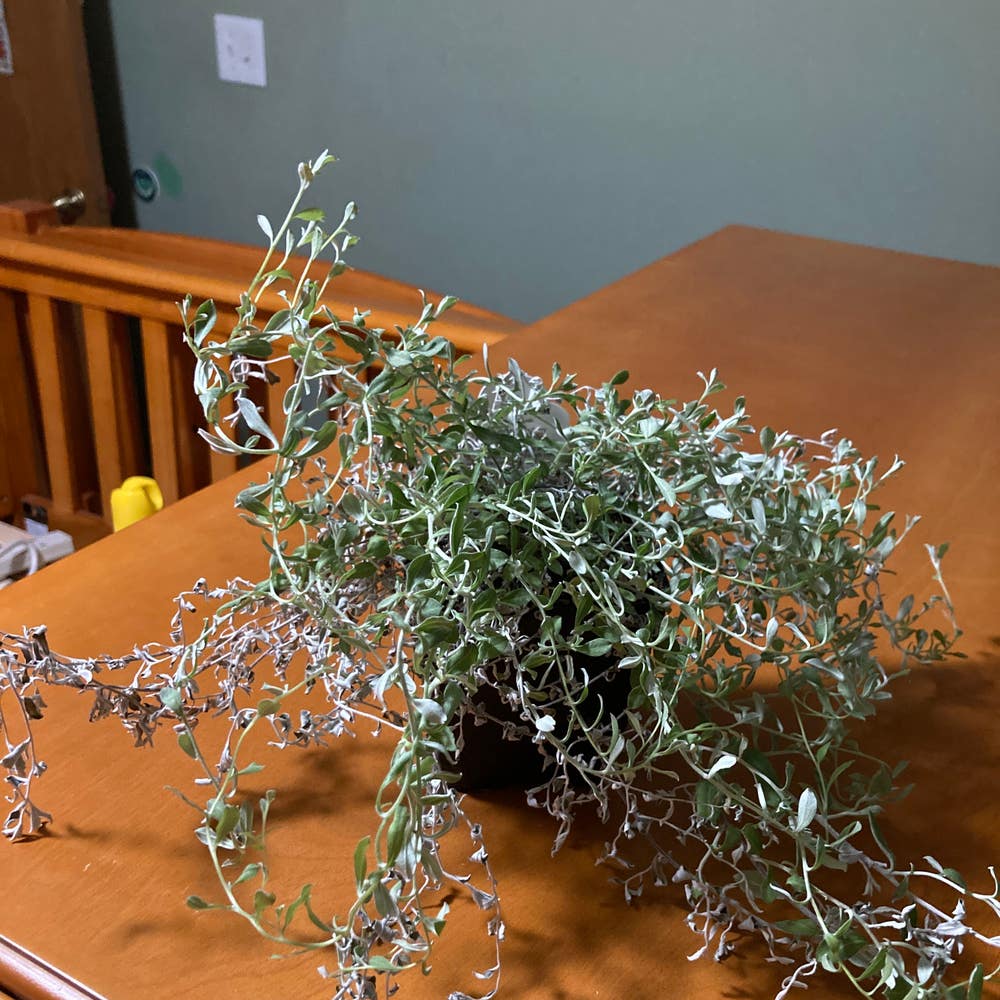
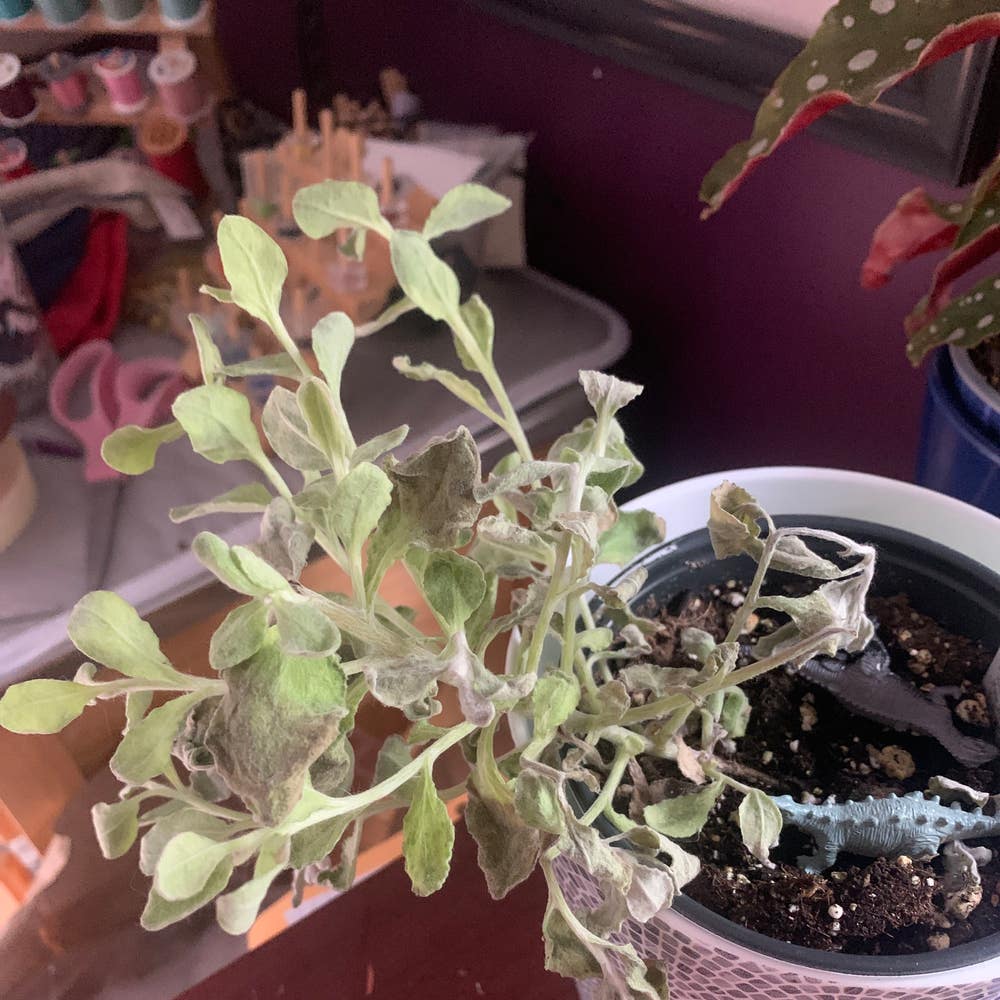
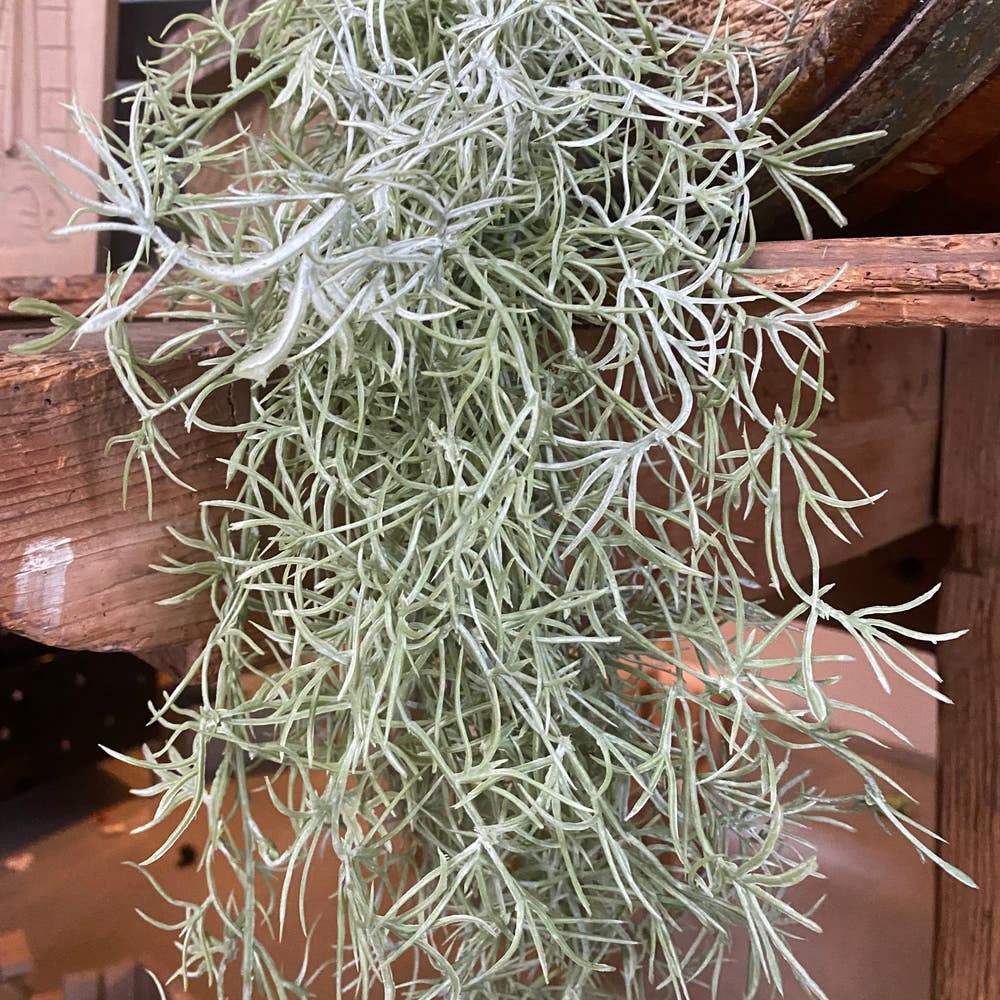
The Licorice Plant can reach impressive heights of up to 4 feet, making it a noticeable presence in any landscape. Its compound leaves are arranged in a distinctive pattern, which helps in recognizing this invasive species.
The plant produces striking purple to blue flowers that are not just beautiful but also prolific, generating numerous seeds that contribute to its rapid spread. These features make it essential for anyone interested in local flora to be able to identify the Licorice Plant accurately.
Comparison with Look-Alike Plants 👀
When distinguishing the Licorice Plant from similar species, particularly other legumes, certain characteristics stand out. For instance, while many legumes may have similar leaf structures, the unique arrangement of the Licorice Plant's leaves is a key identifier.
Additionally, the color and shape of its flowers can help differentiate it from other plants in the area. Familiarizing yourself with these distinguishing features can aid in effective identification and management of this invasive species.
Understanding how to spot the Licorice Plant is crucial for preventing its spread and protecting local ecosystems. With this knowledge, you can contribute to maintaining the balance of your environment.
Growth Habits and Spread
🌱 Typical Growth Patterns
The Licorice Plant features a deep taproot that enables it to thrive in a variety of soil types and conditions. This robust root system allows the plant to access moisture and nutrients, making it resilient in both disturbed and undisturbed environments.
In disturbed areas, such as agricultural fields, the Licorice Plant can quickly establish itself, often outcompeting native flora. Conversely, in undisturbed habitats, it may spread more slowly but still poses a significant threat to local ecosystems.
🌼 Reproductive Strategies and Methods of Spread
One of the Licorice Plant's most effective reproductive strategies is its prolific seed production. Each plant can generate numerous seeds that disperse over large areas, facilitating rapid colonization.
Additionally, the plant can spread vegetatively through its root systems. This means that even if the above-ground portion is removed, the roots can regenerate, leading to new growth and further expansion.
🌍 Adaptability to Various Environments
The Licorice Plant demonstrates remarkable adaptability, thriving in a wide range of soil types and moisture levels. This tolerance allows it to invade diverse habitats, from dry fields to moist riverbanks.
Its ability to flourish in various environments underscores the challenges of managing this invasive species. Understanding these growth habits is crucial for effective control and prevention strategies.
As we delve deeper into the ecological and economic impacts of the Licorice Plant, it becomes clear that addressing its spread is essential for protecting native ecosystems and agricultural productivity.
Ecological and Economic Impact
🌱 Effects on Native Plant Communities
The Licorice Plant poses a significant threat to native flora by aggressively competing for resources. This competition can lead to reduced biodiversity, as native species struggle to survive against the invasive plant.
Moreover, the presence of Licorice Plant alters habitat structures and disrupts ecosystem dynamics. As it spreads, it can change the composition of plant communities, ultimately affecting the animals and insects that rely on native plants for food and shelter.
💸 Economic Losses Associated with Licorice Plant
The economic impact of the Licorice Plant is substantial, particularly in agricultural settings. Farmers face increased costs related to management and control efforts to combat its spread.
Additionally, crop yields can suffer due to competition with this invasive species. As Licorice Plant takes over, it can reduce the productivity of desired crops, leading to financial losses for growers and impacting food supply chains.
In summary, the Licorice Plant's ecological and economic repercussions are profound, highlighting the importance of effective management strategies. Addressing its spread not only protects native ecosystems but also supports agricultural viability.
Next, we will explore control and management techniques to mitigate the impact of this invasive species.
Control and Management
🌱 Manual Removal Techniques and Best Practices
To effectively manage the Licorice Plant, timing is crucial. Aim to remove it before seed set to minimize its spread.
Effective root removal is essential to prevent regrowth. Use tools like shovels or trowels to dig deep, ensuring you extract the entire root system.
After removal, proper disposal is key. Bag the plants and dispose of them in a way that prevents re-establishment, such as through incineration or landfill.
🧪 Overview of Chemical Control Options
Chemical control can be an effective strategy against the Licorice Plant. Herbicides containing glyphosate or triclopyr are commonly used.
For maximum effectiveness, apply these herbicides during the plant's active growth phase. Timing can significantly influence the success of your control efforts.
🐞 Biological Control Methods and Their Effectiveness
Biological control offers a more sustainable approach. Potential agents include specific insects or pathogens that target the Licorice Plant without harming native species.
Research into these methods is ongoing, with varying success rates. Understanding these agents can help in developing effective control strategies.
🚫 Preventive Measures to Limit Spread
Preventing the establishment of the Licorice Plant in new areas is vital. Regular monitoring and management of disturbed sites can help keep it at bay.
Maintaining healthy native plant communities is equally important. A robust ecosystem can outcompete invasive species, reducing their chances of establishing.
🔍 Importance of Early Detection and Rapid Response
Early detection is your best defense against the Licorice Plant. Techniques like regular site inspections can help identify new infestations promptly.
Upon discovering the plant, act quickly. Implement removal or control measures immediately to prevent further spread and protect local ecosystems.
By understanding and applying these control and management strategies, you can play a crucial role in mitigating the impact of the Licorice Plant. Next, we will explore its ecological and economic impacts, shedding light on why managing this invasive species is so important.
⚠️ Safety First
This content is for general information and may contain errors, omissions, or outdated details. It is not medical, veterinary advice, or an endorsement of therapeutic claims.
Always consult a qualified healthcare professional before using any plant as food, medicine, or supplement.
Never eat any plant (or feed one to pets) without confirming its identity with at least two trusted sources.
If you suspect poisoning, call Poison Control (800) 222-1222, the Pet Poison Helpline (800) 213-6680, or your local emergency service immediately.
Spotted an error? Please report it here.
Protect your garden from the invasive Licorice Plant 🌱 by using Greg's plant identification tool to spot it early and manage its spread effectively!