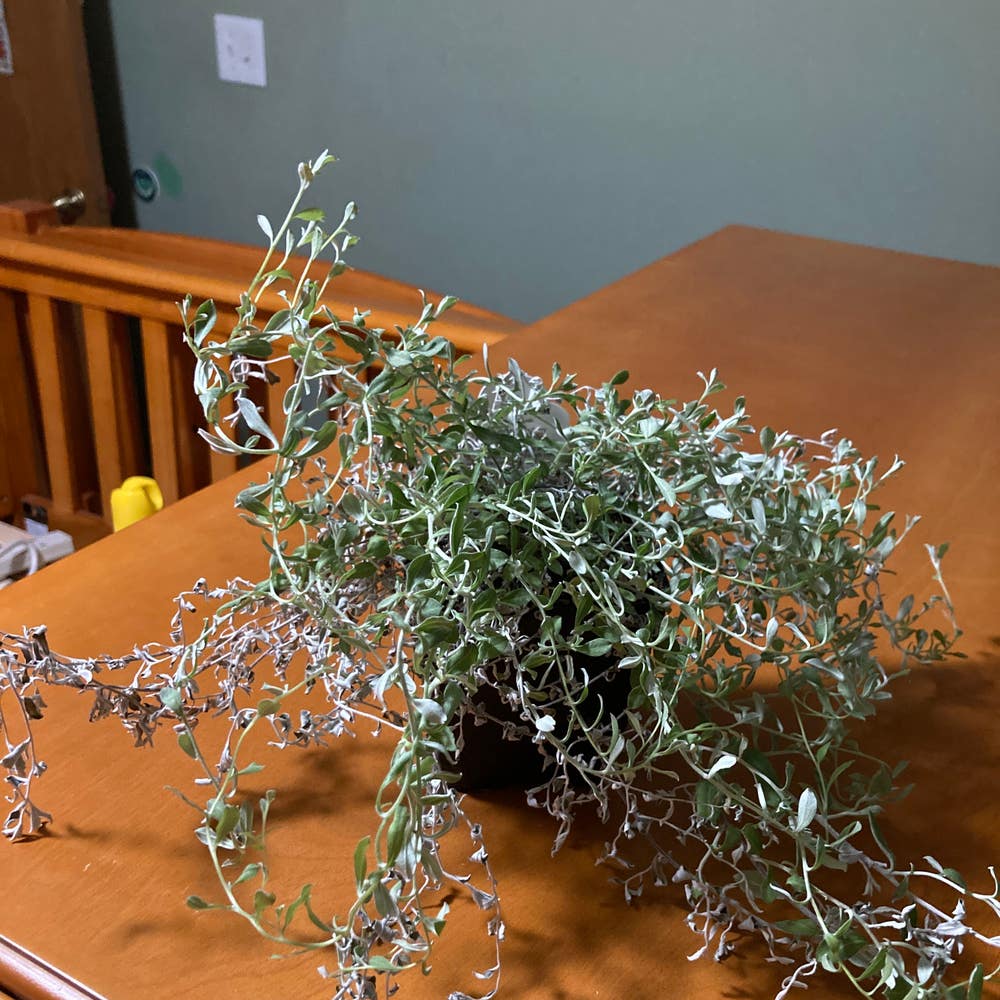
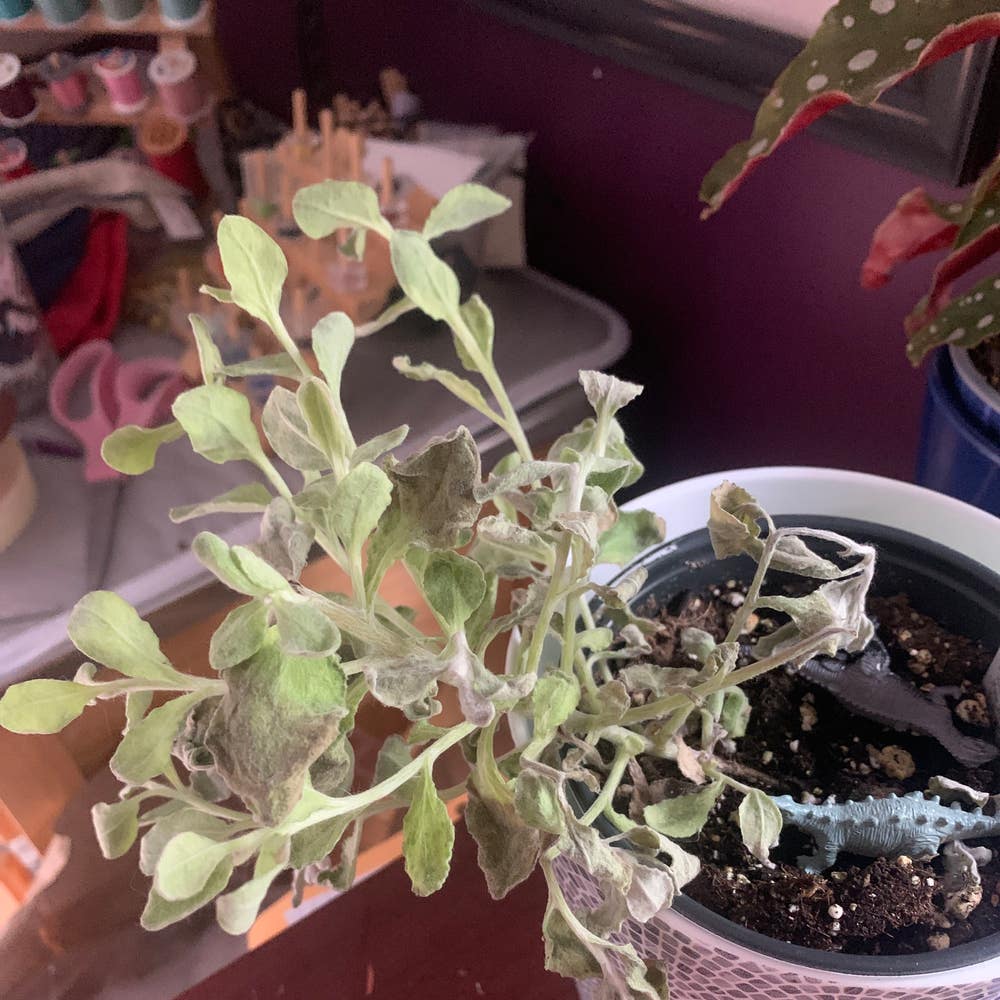
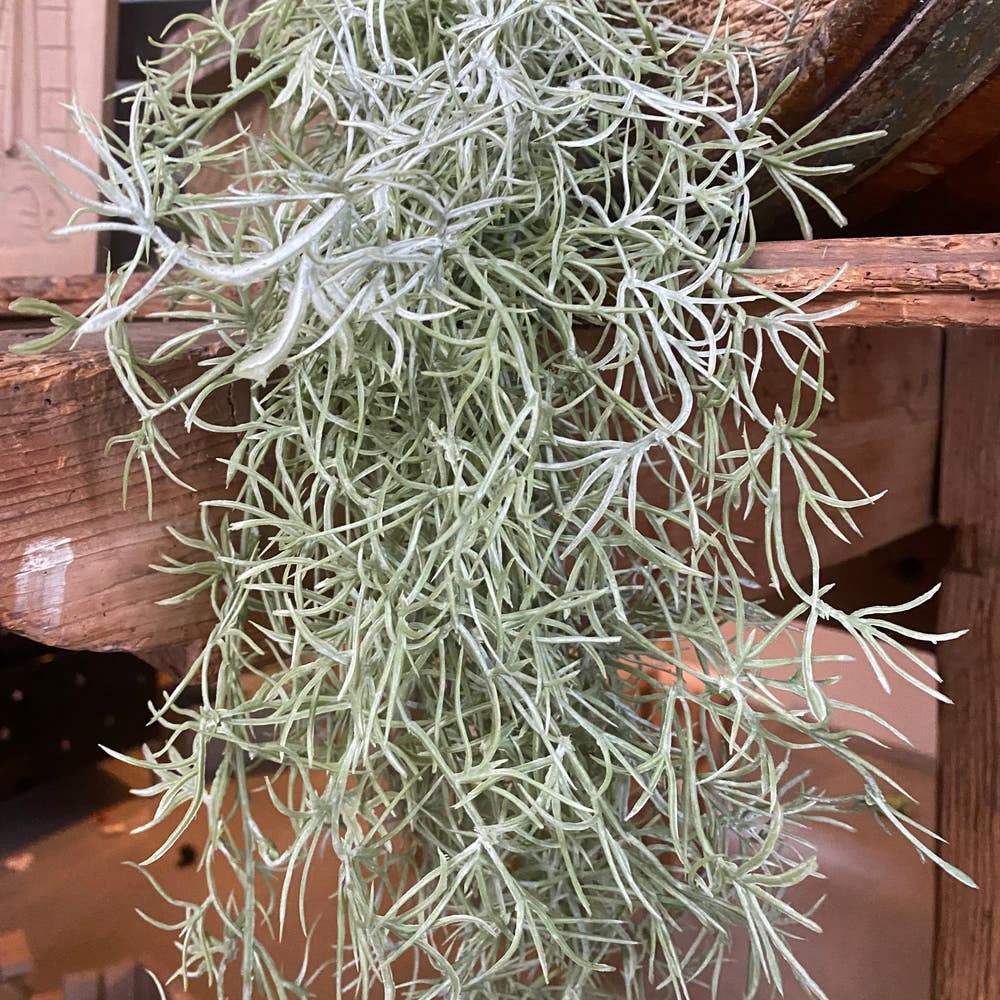
Understanding Curling Leaves on Your Silver Helichrysum 🐞
Helichrysum petiolare
By the Greg Editorial Team
Oct 12, 2024•6 min read
This article was created with the help of AI so we can cover more plants for you. May contain errors. See one? Report it here.
Unlock the secrets to a thriving Silver Helichrysum by mastering the art of preventing leaf curling! 🌿
- 🌡️ Curling leaves indicate temperature stress; keep Silver Helichrysum between 20°C to 30°C.
- 💧 Humidity below 40% causes curling; maintain levels between 40% and 60%.
- 🐛 Pests like aphids distort leaves; check for sticky residue to identify infestations.
Common Causes of Leaf Curling
🌡️ Environmental Stress Factors
High temperatures can wreak havoc on your Silver Helichrysum. The ideal temperature range is between 20°C to 30°C (68°F to 86°F); anything beyond that can lead to curling leaves.
Low humidity is another culprit. Silver Helichrysum thrives in moderate humidity, and dry air can cause the leaves to curl and become unsightly.
Sudden temperature fluctuations can also stress your plant. Keeping a stable environment is key to preventing leaf curl.
🐜 Pest Infestations
Pests like aphids and spider mites are common offenders. These tiny insects can distort and curl leaves, ultimately reducing the plant's vigor.
If you notice sticky residue or visible pests, it’s time to take action. Ignoring these signs can lead to more severe damage.
🥦 Nutrient Deficiencies
Essential nutrients like nitrogen, potassium, and magnesium are vital for healthy growth. A deficiency in these nutrients can manifest as yellowing leaves, stunted growth, and, of course, curling.
Regularly checking your soil and fertilizing appropriately can help prevent these issues. A balanced approach ensures your plant gets what it needs.
💧 Watering Issues
🚿 Overwatering
Overwatering is a common mistake that can lead to wilting and yellowing leaves. Soggy soil is a telltale sign that your plant is drowning.
This excess moisture can cause root rot, which ultimately leads to curling leaves. Adjust your watering habits to avoid this pitfall.
🌵 Underwatering
On the flip side, underwatering can also cause problems. If you see dry, crispy leaves or drooping, your plant is likely stressed from lack of water.
This stress can lead to curling leaves as the plant struggles to survive. Finding the right balance is essential for healthy growth.
🍄 Fungal Diseases
Fungal diseases such as root rot and powdery mildew can be detrimental. Symptoms often include leaf curling, discoloration, and wilting.
Addressing these issues promptly is crucial. Regular monitoring and proper care can help keep these diseases at bay.
Understanding these common causes of leaf curling will empower you to take action. With the right knowledge, you can ensure your Silver Helichrysum remains vibrant and healthy. Next, let’s explore how to diagnose the problem effectively.
Diagnosing the Problem
🌞 Assessing Environmental Conditions
Light Exposure
Silver Helichrysum thrives in full sun, requiring 6 to 8 hours of direct sunlight daily. If you notice stretching stems or pale leaves, your plant may not be getting enough light.
Humidity Levels
This plant prefers humidity levels between 40% and 60%. Low humidity can lead to curling leaves and browning tips, signaling that your Helichrysum is stressed.
Temperature Fluctuations
The ideal temperature range for Silver Helichrysum is between 20°C to 30°C (68°F to 86°F). Watch for signs of temperature stress, such as curling and wilting leaves, which indicate that your plant is uncomfortable.
🐛 Inspecting for Pests
Common Pests Affecting Silver Helichrysum
Aphids and spider mites are the most common pests that can affect your plant. Look for small green insects on new growth or fine webbing on leaves as indicators of these pests.
Signs of Infestation
Curling leaves, sticky residue, and visible pests are clear signs of an infestation. If you notice these symptoms, it's time to take action to protect your plant.
🌱 Evaluating Soil and Watering Practices
Soil Type and Drainage
Silver Helichrysum prefers a well-draining potting mix. Signs of poor drainage include soggy soil and root rot, which can lead to serious health issues for your plant.
Watering Frequency and Method
Water your Helichrysum when the top inch of soil feels dry. If you see leaf curling, wilting, or yellowing, it may indicate improper watering practices that need to be addressed.
By carefully assessing these factors, you can pinpoint the cause of leaf curling and take the necessary steps to restore your Silver Helichrysum to health. Next, we’ll explore effective treatment options to tackle the issues you've identified.
Treating Curling Leaves
🌿 Step-by-Step Treatment for Pests
Organic Pest Control Methods
Neem Oil Application: Spray neem oil on your Silver Helichrysum every 7-14 days. This natural remedy effectively targets pests without harming beneficial insects.
Insecticidal Soap: Apply insecticidal soap according to the label instructions. This method is safe and can help eliminate pests like aphids and spider mites.
⚗️ Chemical Treatments (if necessary)
- Systemic Insecticides: If the infestation persists, consider using systemic insecticides. Always follow the manufacturer guidelines to ensure safe and effective application.
🌱 Correcting Nutrient Deficiencies
Recommended Fertilizers
Balanced NPK Fertilizer: Apply a balanced NPK fertilizer every 4-6 weeks during the growing season. This will provide essential nutrients to your plant.
Signs of Nutrient Imbalance: Watch for leaf discoloration and curling, which can indicate nutrient deficiencies. Address these issues promptly to keep your plant healthy.
💧 Adjusting Watering Practices
How to Properly Water Silver Helichrysum
Check Soil Moisture: Insert your finger into the soil up to the second knuckle. This simple test helps you gauge whether your plant needs water.
Water Thoroughly: Ensure that water drains from the bottom of the pot. This promotes healthy root growth and prevents issues like root rot.
🚿 Signs of Overwatering vs. Underwatering
Overwatering: Look for soggy soil and yellowing leaves. These are clear indicators that your plant is getting too much water.
Underwatering: If you notice dry, crispy leaves and drooping, your plant is likely underwatered. Adjust your watering routine accordingly to restore its vitality.
By addressing pests, nutrient deficiencies, and watering practices, you can effectively treat curling leaves on your Silver Helichrysum. Next, let’s explore how to prevent future issues and keep your plant thriving.
Preventing Future Issues
🌱 Best Practices for Care
Ideal Growing Conditions
To keep your Silver Helichrysum thriving, ensure it’s planted in well-draining, sandy, or loamy soil. This type of soil prevents waterlogging, which can lead to root rot and curling leaves.
Full sun exposure is crucial for optimal growth. Aim for at least 6-8 hours of sunlight daily to promote healthy foliage and vibrant blooms.
🔧 Regular Maintenance Tips
Regular pruning is essential. Remove any dead or damaged leaves to enhance airflow and reduce the risk of disease.
Keep a close eye on your plant's health. Regularly check for pests and monitor environmental conditions to catch any issues early.
🌦️ Seasonal Considerations
Adjusting Care During Different Seasons
In summer, increase your watering frequency and stay vigilant for pests. The warmer temperatures can lead to quicker drying of the soil.
During winter, reduce watering and protect your plant from cold drafts. This helps prevent stress and keeps your Silver Helichrysum healthy.
Preparing for Temperature Changes
For indoor plants, move them to warmer areas during cold snaps. This simple adjustment can make a significant difference in their health.
For outdoor plants, using mulch can insulate roots and protect them from extreme temperature fluctuations. This practice helps maintain a stable environment for your plants.
By following these best practices and seasonal adjustments, you can effectively prevent future issues with your Silver Helichrysum. Next, let’s dive into diagnosing the problems that may arise with your plant.
⚠️ Safety First
This content is for general information and may contain errors, omissions, or outdated details. It is not medical, veterinary advice, or an endorsement of therapeutic claims.
Always consult a qualified healthcare professional before using any plant as food, medicine, or supplement.
Never eat any plant (or feed one to pets) without confirming its identity with at least two trusted sources.
If you suspect poisoning, call Poison Control (800) 222-1222, the Pet Poison Helpline (800) 213-6680, or your local emergency service immediately.
Spotted an error? Please report it here.
Keep your Silver Helichrysum curl-free 🌿 by using Greg's tailored watering reminders and pest alerts to ensure it thrives in the perfect conditions!