💧 How Do I Fix Licorice Plant Root Rot?
Helichrysum petiolare
By the Greg Editorial Team
Jun 18, 2024•4 min read
This article was created with the help of AI so we can cover more plants for you. May contain errors. See one? Report it here.
Save your licorice plant 🌿 from root rot's grip with our life-saving care and prevention guide!
- 🍂 Yellow leaves and drooping signal Licorice Plant distress.
- ✂️ Prune rotten roots, repot with well-draining soil for recovery.
- 🌱 Prevent root rot with balanced watering and ideal environment.
Spot the Rot: Early Signs in Your Licorice Plant
🚩 Yellow Flags: Discoloration and Drooping Leaves
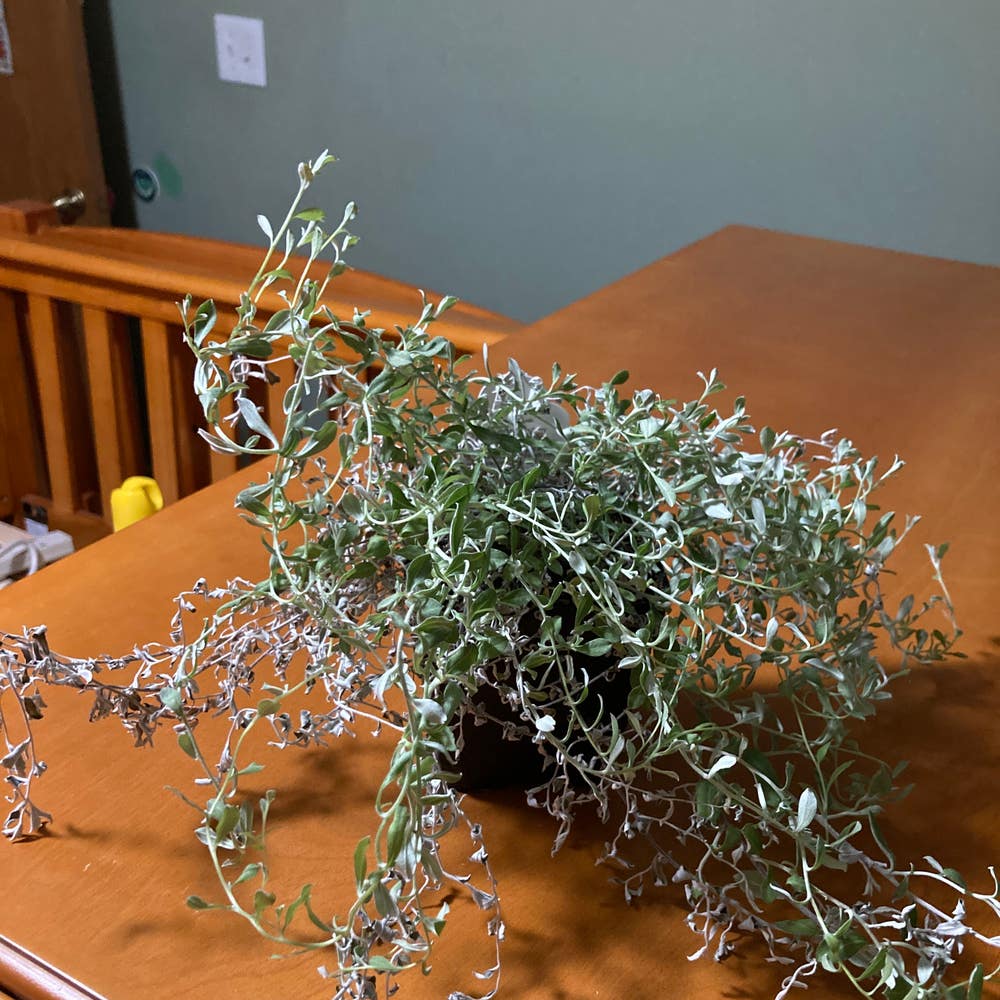
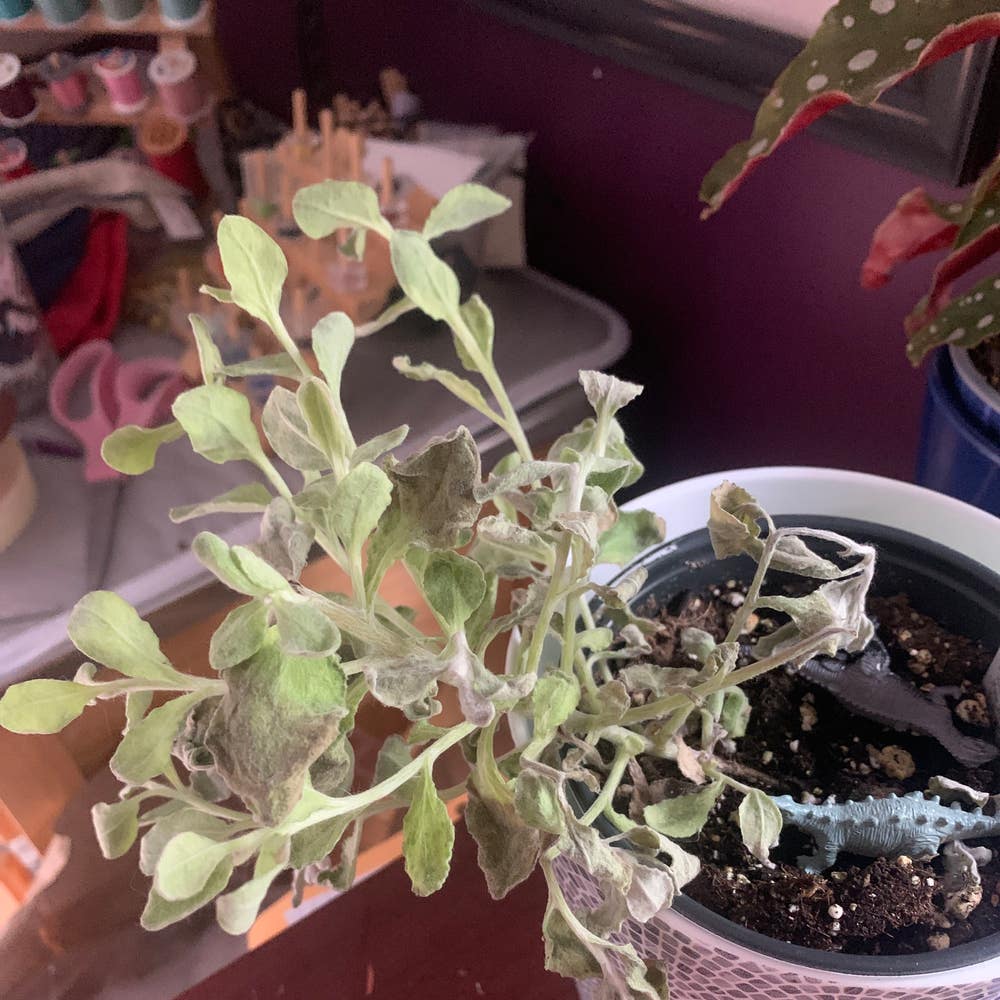
Yellow leaves on your Licorice Plant are not a new fashion trend; they're a cry for help. Discoloration and drooping are the plant's distress signals. Don't just stand there admiring the autumnal hues—get to the root of the issue.
🕵️ Below the Surface: Inspecting the Roots
Root inspection time: roll up your sleeves and get ready for some dirt therapy. Healthy Licorice Plant roots are firm and white, while unhealthy ones are the texture of overcooked pasta—mushy and discolored. If your plant's roots look like they've seen better days, it's intervention time.

First Aid for Root Rot: Saving Your Licorice Plant
🌱 Cut the Bad Out: Pruning Rotten Roots
When your licorice plant's roots have gone rogue, pruning is your first line of defense. Gently remove the plant from its pot, and brace yourself for an unappealing sight. Healthy roots boast a firm texture and a light color, while rotten ones are the plant equivalent of a bad apple—squishy and discolored. With sterilized shears in hand, snip away the damaged roots. It's like defusing a bomb; precision is key.
🌿 Fresh Start: Repotting with the Right Soil
After the amputation, it's time for a fresh start. Repotting is not just about a new pot; it's about giving your plant a new lease on life. Mix in some perlite or sand for a soil that's more breathable than a pair of mesh sneakers. Ensure your pot has drainage holes—standing water is a bigger enemy to your plant than sunlight to a vampire.
🧼 Keep It Clean: Sterilizing Your Tools
Before and after you play plant surgeon, remember to sterilize your tools. This isn't just about being clean; it's about waging war on unseen microbial threats. Wipe down your shears with alcohol or a bleach solution, then rinse them off. It's like the plant world's version of hand sanitizer—non-negotiable.

Fungicide to the Rescue: Treating the Infection
🛡️ Choosing Your Fighter: Organic vs. Chemical Fungicides
In the battle against root rot, fungicides are your heavy artillery. Organic options, like neem oil and biological fungicides, are the eco-friendly troops, offering a gentler approach while bolstering plant defenses. They're the good guys, fighting the good fight without leaving a toxic trail. But they may require more frequent applications.
On the flip side, chemical fungicides are the big guns. They pack a punch with fewer applications and can be crucial when the infection is severe. But beware, they can be harsh on the environment and non-target organisms. Always read the label—it's your rulebook for safe and effective use.
🎯 Application Tips: How and When to Apply Fungicides
Timing is everything—apply fungicides at the first sign of trouble, preferably before the rot takes hold. Think of it as a preemptive strike. For application, it's all about coverage; ensure you're hitting all the right spots without drowning your plant in chemical warfare.
Use a sprayer for even distribution and stick to the script—overdoing it can backfire, harming your plant and the helpful critters in your garden. And remember, rotating fungicides keeps those pesky pathogens on their toes, reducing the chance of resistance. Precision and moderation are your watchwords here.

Prevention Is Better Than Cure: Keeping Root Rot at Bay
💧 Water Wisely: Balancing Moisture and Dryness
Consistency is key when it comes to watering your Licorice Plant. You're aiming for that sweet spot where the soil is moist but not soggy. Let the topsoil dry out before giving it another drink. It's not just about sticking to a schedule; it's about being responsive to your plant's needs and the ever-changing environment.
Remember, your watering can is not a fire hose; use it with precision. Overwatering is the fast track to root rot, so keep that soil's moisture balanced like a tightrope walker's pole. And don't forget to adjust your routine with the seasons—plants are more thirsty during the hot summer months and prefer to keep it light in the cooler winter.
🏡 Home Sweet Home: Creating the Ideal Environment
Light and airflow are the unsung heroes in the fight against root rot. Place your Licorice Plant where it can bask in bright, indirect sunlight. Too much shade and you're inviting moisture to overstay its welcome.
Ventilation is crucial; think of it as your plant's personal breathing space. Stagnant air is a playground for fungi and bacteria, so keep the air moving. A fan can work wonders, but don't turn your plant into a wind-tossed sailor; a gentle breeze will do.
Lastly, don't cram your plants together like sardines. They need their own space, just like we do. Overcrowding can block airflow and create microclimates that fungi find irresistible. Keep it spacious, and you'll keep it healthy.
⚠️ Safety First
This content is for general information and may contain errors, omissions, or outdated details. It is not medical, veterinary advice, or an endorsement of therapeutic claims.
Always consult a qualified healthcare professional before using any plant as food, medicine, or supplement.
Never eat any plant (or feed one to pets) without confirming its identity with at least two trusted sources.
If you suspect poisoning, call Poison Control (800) 222-1222, the Pet Poison Helpline (800) 213-6680, or your local emergency service immediately.
Spotted an error? Please report it here.
Banish root rot and ensure your licorice plant thrives with preventative care 🛡️ from Greg's custom watering plans and health check reminders.