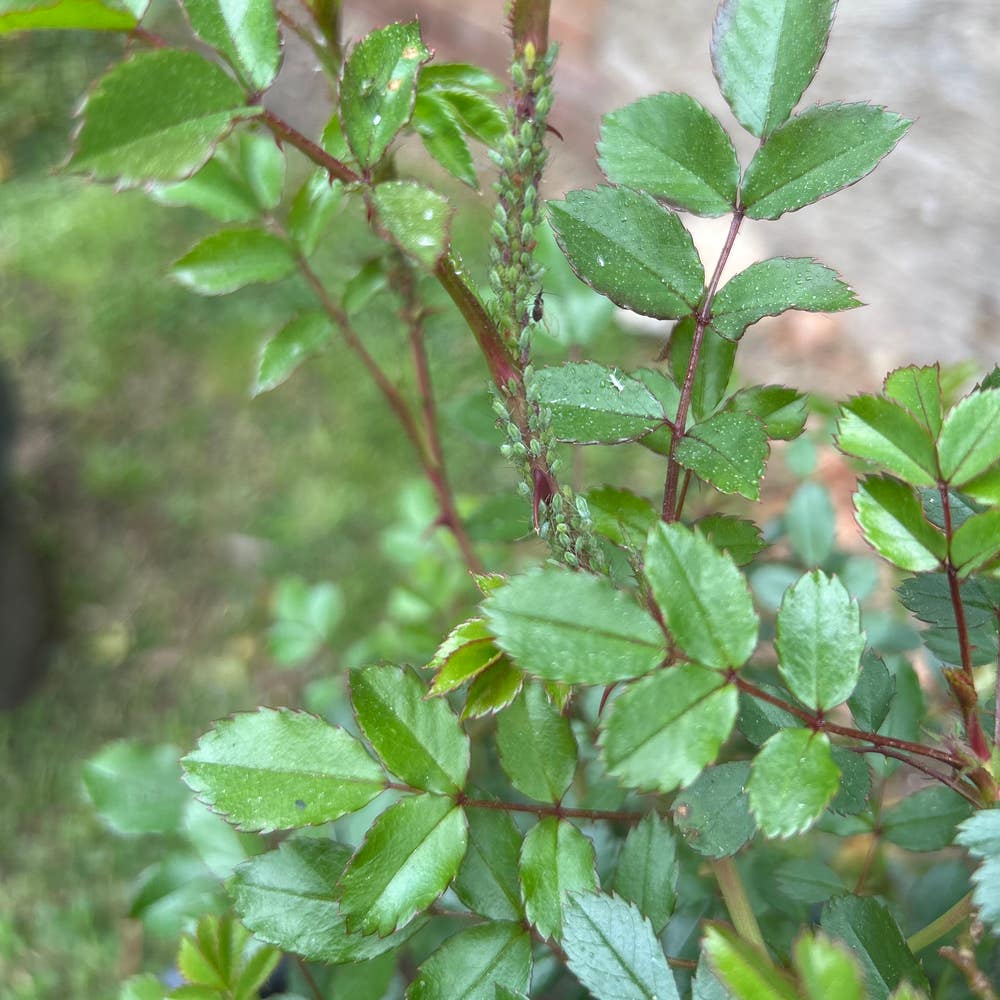
🌹 Ground cover roses Roots 101
Rosa spp.
By the Greg Editorial Team
Aug 10, 2024•6 min read
This article was created with the help of AI so we can cover more plants for you. May contain errors. See one? Report it here.
- 🌱 Ground cover roses have fibrous roots that prevent erosion and enhance soil stability.
- 💧 Deep, infrequent watering promotes deeper roots for better nutrient absorption and stability.
- 🌼 Healthy roots are crucial for vibrant growth; watch for signs of distress like wilting.
Root System Characteristics
Type of Root System 🌱
Ground cover roses boast a fibrous root system. This means they have shallow roots that spread widely, creating a dense mat beneath the soil.
The benefits of this root structure are significant. It enhances soil stability and plays a crucial role in preventing erosion, making these roses a smart choice for landscaping.
Specific Characteristics of the Root System 🌿
These roses are remarkably adaptable. They thrive in various soil types but show a clear preference for well-drained conditions.
Their growth habit is equally impressive. The roots can extend horizontally, allowing for effective ground coverage and making them excellent for filling in spaces in your garden.
With such robust characteristics, ground cover roses are not just beautiful; they're also functional in maintaining soil health and stability.
Root Depth and Spread
Typical Root Depth for Ground Cover Roses 🌱
Ground cover roses typically have an average root depth of 12-18 inches, which can vary based on soil conditions. This shallow root system allows for quick establishment and efficient nutrient uptake, making them resilient in various environments.
Root Spread and Growth Patterns 🌿
The horizontal spread of ground cover roses can extend 2-3 feet or more, depending on the variety and growing conditions. In favorable environments, these plants exhibit rapid expansion, effectively suppressing weeds and enhancing garden aesthetics.
Understanding the root depth and spread of ground cover roses is crucial for optimal care and maintenance. With the right conditions, these plants can thrive and create a lush, vibrant ground cover.
Next, we’ll explore care practices influenced by the unique root structure of these resilient plants.
Care Practices Influenced by Roots
🌊 Watering Techniques Based on Root Structure
To promote healthy growth, water your ground cover roses deeply but infrequently. This approach encourages roots to dig deeper into the soil, enhancing their stability and nutrient uptake.
Using soaker hoses or drip irrigation can significantly reduce evaporation. These methods ensure that moisture reaches the roots directly, fostering a robust root system.
🌱 Fertilizing Methods Tailored to Root Health
Timing is crucial when it comes to fertilizing. Aim to fertilize your roses in early spring and mid-summer to support their growth cycles.
Opt for balanced NPK fertilizers, which provide essential nutrients for root development. This strategy helps your plants thrive and maintain their vibrant foliage.
🌳 Best Practices for Transplanting
When it’s time to transplant, choose early spring or fall for optimal results. These seasons offer milder temperatures, reducing stress on the plants.
During the transplanting process, aim for minimal disturbance to the root system. This care ensures that your roses can establish themselves quickly in their new environment.
By following these care practices, you can significantly enhance the health and resilience of your ground cover roses. Next, let’s explore common root-related issues that may arise and how to tackle them effectively.
Common Root-Related Issues
Identifying Root-Related Problems 🌱
Root health is crucial for the vitality of ground cover roses. Signs of distress include wilting, yellowing leaves, and stunted growth, which can indicate underlying issues.
Common problems affecting roots are root rot, nutrient deficiencies, and pest infestations. Recognizing these symptoms early can save your plants from serious damage.
Tips for Prevention and Solutions 🛠️
Preventing root-related issues starts with ensuring well-drained soil. Overwatering is a major culprit, so aim for a balanced watering routine.
If you encounter root rot, using fungicides can help manage the problem. For nutrient deficiencies, adjusting your watering practices and incorporating appropriate fertilizers can restore health to your plants.
By staying proactive, you can keep your ground cover roses thriving and vibrant. This sets the stage for discussing root health indicators next.
Root Health Indicators
🌱 Visual Cues of Healthy Roots
Healthy roots are a gardener's best friend. Look for firm, white or light tan roots that show no signs of decay.
A robust root system is crucial; it supports lush foliage and overall plant vitality. When roots are thriving, your ground cover roses will flourish.
⚠️ Signs of Unhealthy Roots
Unhealthy roots can spell trouble for your plants. Indicators include dark, mushy roots, foul odors, or noticeable discoloration.
These symptoms often lead to poor plant growth and make your roses more vulnerable to stress. Catching these signs early can save your plants from further decline.
Understanding root health is essential for maintaining vibrant ground cover roses. With this knowledge, you can ensure your plants stay strong and resilient.
Stress Factors and Resilience
🌱 Role of Roots in Plant Health and Growth
Healthy roots are the backbone of any plant, crucial for absorbing water and nutrients. They not only nourish the plant but also provide stability, anchoring it against environmental stressors like wind and heavy rain.
🌵 How Roots Help Withstand Drought, Pests, and Diseases
Shallow, fibrous roots are particularly adept at accessing moisture quickly, making them resilient during dry spells. Additionally, a robust root system boosts overall plant vigor, enhancing resistance to pests and diseases.
Understanding the vital role of roots can empower you to cultivate healthier ground cover roses. With the right care, these plants can thrive even in challenging conditions, setting the stage for a flourishing garden.
Rootbound Plants
Definition of Rootbound 🌱
Rootbound plants experience a condition where roots grow in circles within the pot, restricting their growth. This often occurs due to overcrowding in pots or a lack of timely transplanting.
How to Recognize Rootbound Conditions 🔍
Look for roots emerging from drainage holes or circling the pot; these are clear indicators of a rootbound situation. Symptoms include stunted growth and poor water retention, signaling that your plant is struggling.
Solutions for Rootbound Plants 🛠️
To remedy rootbound conditions, consider repotting into a larger container or dividing the root ball. It's best to tackle these issues during the growing season for optimal results, ensuring your plants have the space they need to thrive.
Recognizing and addressing rootbound conditions is crucial for maintaining healthy ground cover roses. This proactive approach not only enhances plant growth but also sets the stage for successful propagation and division.
Propagation and Division
🌱 Importance of Root Health in Propagation
Healthy roots are the backbone of successful propagation. They ensure that new plants establish quickly and thrive in their new environment.
Before dividing ground cover roses, check that the roots are well-developed. This sets the stage for robust growth and resilience in the new plants.
✂️ Techniques for Dividing Ground Cover Roses
When it comes to dividing, precision is key. Use clean, sharp tools to separate the root sections, minimizing damage.
Timing matters too. The best practice is to divide in early spring or fall, as these seasons offer milder conditions that reduce stress on the plants.
By following these steps, you can ensure that your ground cover roses flourish, paving the way for a vibrant garden.
⚠️ Safety First
This content is for general information and may contain errors, omissions, or outdated details. It is not medical, veterinary advice, or an endorsement of therapeutic claims.
Always consult a qualified healthcare professional before using any plant as food, medicine, or supplement.
Never eat any plant (or feed one to pets) without confirming its identity with at least two trusted sources.
If you suspect poisoning, call Poison Control (800) 222-1222, the Pet Poison Helpline (800) 213-6680, or your local emergency service immediately.
Spotted an error? Please report it here.
Boost your ground cover roses' root health 🌱 with Greg's personalized watering alerts and expert care tips, ensuring they flourish beautifully in your garden!