🌹 How to Fix Dropping Leaves on Your Ground cover roses
Rosa spp.
By the Greg Editorial Team
Aug 10, 2024•6 min read
This article was created with the help of AI so we can cover more plants for you. May contain errors. See one? Report it here.
- 🌡️ Temperature extremes and humidity stress ground cover roses, causing leaf drop.
- 🐛 Pests like aphids and spider mites weaken roses, leading to significant leaf loss.
- 🌱 Nutrient deficiencies and overwatering can severely impact rose health and cause leaf drop.
Causes of Leaf Drop
🌪️ Environmental Stress Factors
Ground cover roses are sensitive to environmental conditions. Temperature extremes can lead to significant stress.
Temperature Extremes
High temperatures can cause heat stress, leading to wilting and leaf drop. Conversely, low temperatures may shock the plant, resulting in similar issues.
Humidity Levels
Low humidity can dehydrate your roses, making them more susceptible to leaf drop. On the other hand, high humidity can promote fungal diseases, which also contribute to leaf loss.
🐛 Pests Affecting Ground Cover Roses
Pests can wreak havoc on your roses, causing them to drop leaves prematurely.
Common Pests
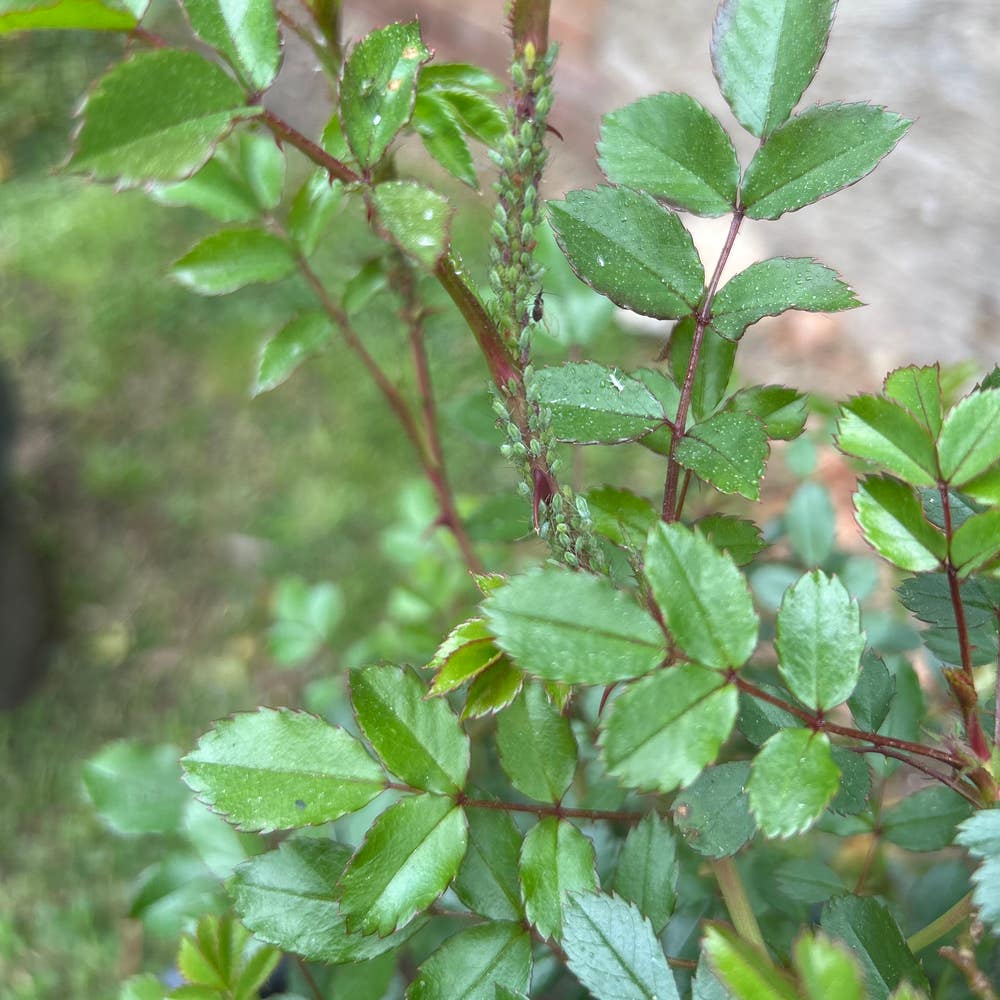
Aphids are notorious for curling leaves and leaving a sticky residue. They weaken plants, making them more prone to leaf drop.
Spider Mites leave fine webbing and create stippled leaves. Their presence reduces the plant's vigor, leading to further leaf loss.
🍄 Fungal Diseases
Fungal diseases are another common culprit behind leaf drop in ground cover roses.
Common Fungal Issues
Powdery Mildew manifests as white powdery spots on leaves. This disease weakens plant health, ultimately causing leaf drop.
Black Spot appears as dark spots on leaves, often accompanied by yellowing. This condition leads to premature leaf drop and reduced vigor.
🥦 Nutrient Deficiencies
Nutrient deficiencies can severely impact the health of your roses, leading to leaf drop.
Key Nutrients
Nitrogen deficiency is characterized by yellowing leaves and stunted growth. It’s essential for leaf development.
Potassium deficiency shows up as marginal leaf burn and weak stems. This nutrient is crucial for overall plant health.
💧 Watering Issues
Improper watering practices can lead to significant stress and leaf drop.
Overwatering
Overwatering results in wilting, yellowing leaves, and even root rot. Poor drainage exacerbates these issues, leading to leaf drop.
Underwatering
Underwatering causes dry, crispy leaves and drooping. Insufficient moisture stresses the plant, resulting in further leaf loss.
Understanding these causes is essential for diagnosing and treating leaf drop in your ground cover roses. Next, we’ll explore how to diagnose the specific issues affecting your plants.
Diagnosing Leaf Drop
🧐 Identifying Symptoms
When diagnosing leaf drop, start by observing visual signs. Look for yellowing leaves, wilting, and premature leaf fall.
Patterns of leaf drop can also provide clues. Is the drop random, or does it occur uniformly across the plant? Understanding these patterns can help pinpoint the issue.
🌡️ Assessing Environmental Conditions
Next, assess the environmental conditions affecting your ground cover roses. Take temperature and humidity readings to see if extremes are at play.
Soil moisture levels are crucial too. Check for dryness or saturation to ensure your plants are getting the right amount of water.
🐛 Checking for Pests and Diseases
Inspecting leaves and stems is essential for identifying pests. Look closely for any signs of infestation that could be causing stress.
Additionally, keep an eye out for fungal infections. Recognizing these early can save your plants from further damage.
🧪 Soil Testing for Nutrient Levels
Conducting soil tests is a proactive way to determine nutrient deficiencies. This will help you understand what your roses might be lacking.
Don't forget about pH levels; they significantly impact nutrient availability. Knowing your soil's pH can guide you in making necessary adjustments.
By thoroughly diagnosing leaf drop, you can take informed steps toward revitalizing your ground cover roses. Next, let’s explore effective treatment options to address these issues.
Treatment Options
🌱 Organic Pest Control Methods
Organic pest control is a sustainable way to protect your ground cover roses. Neem oil is a popular choice; apply it every 7-14 days, ensuring you cover both the tops and undersides of leaves.
Insecticidal soap is another effective method. Spray it directly on pests, focusing on infested areas, and repeat every week until the problem subsides.
🦠 Fungicide Application
When it comes to fungal diseases, selecting the right fungicide is crucial. You can choose between organic options, like sulfur or copper-based fungicides, and synthetic ones, which may offer faster results.
Timing is key for application. Treat your roses at the first sign of disease, and follow up every 7-14 days for maximum effectiveness.
💧 Adjusting Watering Practices
Proper watering is essential for healthy roses. Establish a consistent watering schedule, aiming for deep watering once a week, rather than frequent shallow watering.
To check soil moisture, stick your finger about an inch into the soil. If it feels dry, it’s time to water; if it’s still moist, hold off.
🌼 Fertilization Techniques
Fertilizing your roses can significantly improve their health. Consider using organic fertilizers with balanced NPK ratios, like 5-10-5, to support growth.
The best times to fertilize are in early spring and mid-summer. This timing ensures your roses get the nutrients they need during their active growing periods.
✂️ Pruning Affected Areas
Pruning is a vital step in restoring your roses. Start by identifying affected leaves and stems; remove any that show signs of disease or pest damage.
Use sharp, clean pruning shears to make clean cuts. This promotes recovery and encourages new growth, helping your roses bounce back stronger.
By implementing these treatment options, you can effectively address the leaf drop issue in your ground cover roses. Next, let’s explore preventive measures to keep your roses thriving year-round.
Preventive Measures
Best Practices for Watering 🌊
Watering your ground cover roses correctly is crucial for their health. Aim for deep watering rather than shallow sprinkling to encourage strong root development.
To ensure proper drainage, consider using raised beds or well-draining soil. This prevents water from pooling, which can lead to root rot and other issues.
Choosing Disease-Resistant Varieties 🌹
Selecting disease-resistant varieties can save you a lot of headaches. 'Flower Carpet' and 'Drift' roses are excellent options known for their resilience against common diseases.
These hardy varieties not only thrive in various conditions but also require less maintenance, making them ideal for any landscape.
Regular Monitoring for Pests and Diseases 🔍
Establishing a routine for plant inspections is essential for early detection of problems. Look for signs like discoloration, wilting, or unusual growth patterns.
Knowing when to take action can make all the difference. Regular checks help you catch pests or diseases before they escalate, ensuring your roses stay vibrant and healthy.
By implementing these preventive measures, you can enjoy flourishing ground cover roses while minimizing the risk of leaf drop. Now, let’s dive into diagnosing leaf drop to understand what might be affecting your plants.
⚠️ Safety First
This content is for general information and may contain errors, omissions, or outdated details. It is not medical, veterinary advice, or an endorsement of therapeutic claims.
Always consult a qualified healthcare professional before using any plant as food, medicine, or supplement.
Never eat any plant (or feed one to pets) without confirming its identity with at least two trusted sources.
If you suspect poisoning, call Poison Control (800) 222-1222, the Pet Poison Helpline (800) 213-6680, or your local emergency service immediately.
Spotted an error? Please report it here.
Keep your ground cover roses vibrant 🌹 by using Greg's tailored care plans to tackle pests, diseases, and watering needs, ensuring those leaves stay put!