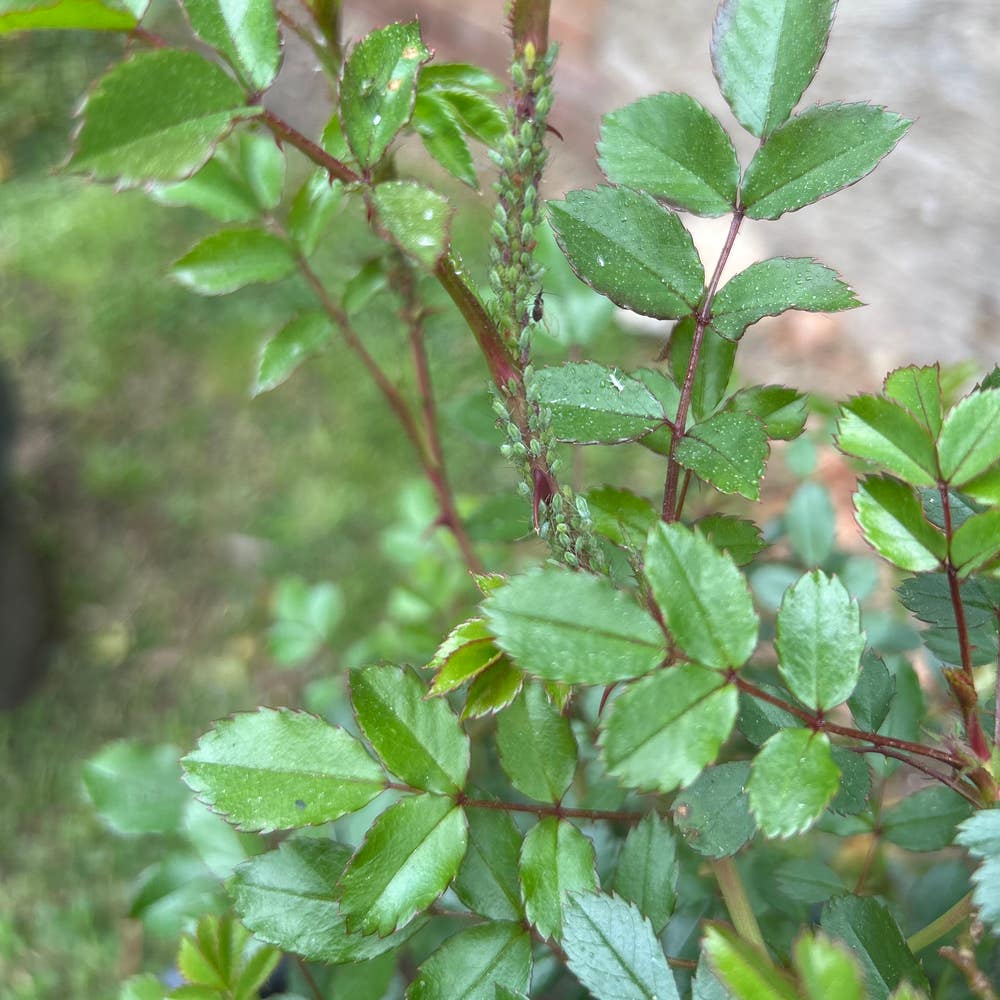
When to Water Your Ground cover roses 🌹
Rosa spp.
By the Greg Editorial Team
Aug 10, 2024•5 min read
This article was created with the help of AI so we can cover more plants for you. May contain errors. See one? Report it here.
- 🌹 Ground cover roses need less frequent watering, making them low-maintenance plants.
- 💧 Adjust watering based on seasons and moisture levels for optimal health.
- ⚠️ Over-watering causes yellow leaves and root rot; monitor soil moisture carefully.
Watering Frequency
Proper watering is crucial for the health of your ground cover roses. It promotes growth and helps prevent root rot, ensuring your plants thrive.
💧 Ideal Watering Frequency
Ground cover roses typically require less frequent watering than traditional varieties. Once established, these resilient plants can often go longer between waterings, making them a low-maintenance choice for gardeners.
🌦️ Seasonal Variations
Watering needs can fluctuate with the seasons. As temperatures rise or rainfall decreases, you may need to adjust your watering schedule to keep your roses happy and healthy.
Understanding these factors will help you cultivate a flourishing garden. Next, let’s explore how to recognize watering issues that could affect your roses.
Recognizing Watering Issues
💧 Over-Watering Signs
Over-watering can be detrimental to your ground cover roses. One of the first signs is yellowing leaves, which indicates excess moisture in the soil.
If you notice wilting despite wet soil, your roots may be suffocating from lack of oxygen. Additionally, check for root rot; dark, mushy roots are a clear indication that your plant is in trouble.
🌵 Under-Watering Signs
On the flip side, under-watering can also harm your roses. Wilting leaves that droop and lose turgor are a telltale sign that your plants need water.
You might also find dry soil that pulls away from the pot edges, indicating a lack of moisture. Lastly, if you see leaf drop, it’s a sign that your roses are stressed and need immediate attention.
Recognizing these signs early can help you maintain the health of your ground cover roses. Next, let’s explore effective watering techniques to ensure your plants thrive.
Watering Techniques
Bottom-Watering Method 🌊
Watering from the bottom is a fantastic technique that allows roots to absorb moisture directly. This method ensures that the water reaches the root zone effectively, promoting healthy growth.
Steps for Bottom-Watering:
- Fill a basin with water.
- Place the pot in the basin for 30 minutes.
- Remove and allow excess water to drain.
Self-Watering Pots 💧
Self-watering pots are a game changer for busy gardeners. These pots come with reservoirs that provide consistent moisture, reducing the need for frequent watering.
Benefits:
- They help prevent over-watering, which can be detrimental to your ground cover roses.
- They maintain an even moisture level, ensuring your plants thrive.
Traditional Watering Methods 🚰
Traditional watering methods, like using a watering can or hose with a spray nozzle, are still effective. However, it's essential to water at the base of the plant to avoid wetting the foliage.
Best Practices:
- Aim for the soil, not the leaves, to prevent fungal diseases.
- Water deeply but less frequently to encourage strong root development.
By employing these watering techniques, you can ensure your ground cover roses receive the right amount of moisture. This sets the stage for healthy growth and vibrant blooms.
Next, let’s explore how to measure soil moisture effectively to fine-tune your watering routine.
Measuring Soil Moisture
🛠️ Tools for Measuring
Understanding soil moisture is crucial for the health of your ground cover roses. Two effective tools for measuring moisture are moisture meters and the finger test.
- Moisture Meters: These digital or analog devices provide accurate readings of soil moisture levels.
- Finger Test: A simple method where you insert your finger into the soil to gauge moisture.
📋 Step-by-Step Guide
Measuring soil moisture can be straightforward. Follow these steps for accurate results:
- Insert a moisture meter into the soil up to the root zone.
- Wait for the reading to stabilize.
- For the finger test, insert your finger 1-2 inches into the soil.
- Remove your finger and assess the moisture level.
📊 Interpreting Readings
Interpreting the readings from your moisture meter or finger test is essential for proper watering. Here’s how to understand what you find:
Moisture Meter Readings:
- 1-3: Dry, needs watering.
- 4-6: Moist, okay to wait.
- 7-10: Wet, avoid watering.
Finger Test Results:
- Dry Soil: Water immediately.
- Slightly Damp: Wait a few days.
- Wet Soil: Hold off on watering.
By regularly checking soil moisture, you can ensure your ground cover roses thrive without the risk of over or under-watering. This proactive approach not only promotes healthy growth but also enhances your gardening experience.
Next, let’s explore effective watering techniques to keep your roses flourishing.
Watering Reminders and Scheduling
🌱 Using the Greg Plant Care App
The Greg Plant Care App is a fantastic tool for keeping your ground cover roses thriving. You can set reminders tailored to your plants' specific watering needs, ensuring they get just the right amount of moisture.
Customization is key. Adjust your reminders based on seasonal changes and the growth stage of your roses, so you’re always in tune with their needs.
📅 Setting Up a Watering Schedule
A solid guideline is to water your roses every 1-2 weeks. However, always adjust based on moisture readings to avoid over or under-watering.
Keep in mind that newly planted roses require more frequent watering until they establish a strong root system. This extra care will pay off in the long run.
☀️ Adjusting Frequency Based on Weather
Weather plays a significant role in your watering routine. During hot, dry spells, increase your watering frequency to keep your roses hydrated.
Conversely, in rainy periods, consider reducing or skipping watering sessions. This helps prevent over-watering, which can lead to root rot and other issues.
By staying attentive to your roses' needs and adjusting your watering schedule accordingly, you'll foster a healthy, vibrant garden. Next, let’s explore effective watering techniques to ensure your roses receive the best care possible.
⚠️ Safety First
This content is for general information and may contain errors, omissions, or outdated details. It is not medical, veterinary advice, or an endorsement of therapeutic claims.
Always consult a qualified healthcare professional before using any plant as food, medicine, or supplement.
Never eat any plant (or feed one to pets) without confirming its identity with at least two trusted sources.
If you suspect poisoning, call Poison Control (800) 222-1222, the Pet Poison Helpline (800) 213-6680, or your local emergency service immediately.
Spotted an error? Please report it here.
Keep your ground cover roses thriving with custom watering reminders 📅 from Greg, ensuring you meet their unique needs while enjoying low-maintenance beauty in your garden!