How to Fix Droopy Leaves on Your Ground cover roses 🌹
Rosa spp.
By the Greg Editorial Team
Aug 10, 2024•6 min read
This article was created with the help of AI so we can cover more plants for you. May contain errors. See one? Report it here.
- 💧 Identify watering issues: Overwatering or underwatering causes droopy leaves in ground cover roses.
- 🌱 Soil quality is crucial: Well-draining soil prevents root rot and promotes healthy growth.
- 🐛 Monitor for pests and diseases: Regular checks help catch issues like aphids and fungal infections early.
Diagnosing the Problem
💧 Overwatering vs. Underwatering
Understanding the difference between overwatering and underwatering is crucial for your ground cover roses. Signs of overwatering include mushy roots, yellowing leaves, and soil that remains wet even after a few days. Conversely, underwatering manifests as dry, crispy leaves and soil that pulls away from the pot.
🌱 Soil Quality and Drainage Issues
Soil quality plays a vital role in the health of your roses. Well-draining soil is essential to prevent root rot, which can devastate your plants. To assess drainage, conduct a percolation test by digging a hole, filling it with water, and observing how quickly it drains.
🥦 Nutrient Deficiencies and Their Signs
Nutrient deficiencies can lead to droopy leaves and poor plant health. Common deficiencies include nitrogen, potassium, and magnesium. Symptoms to watch for are yellowing leaves, weak stems, and a lack of flowering.
🐛 Pest Infestations and Their Impact
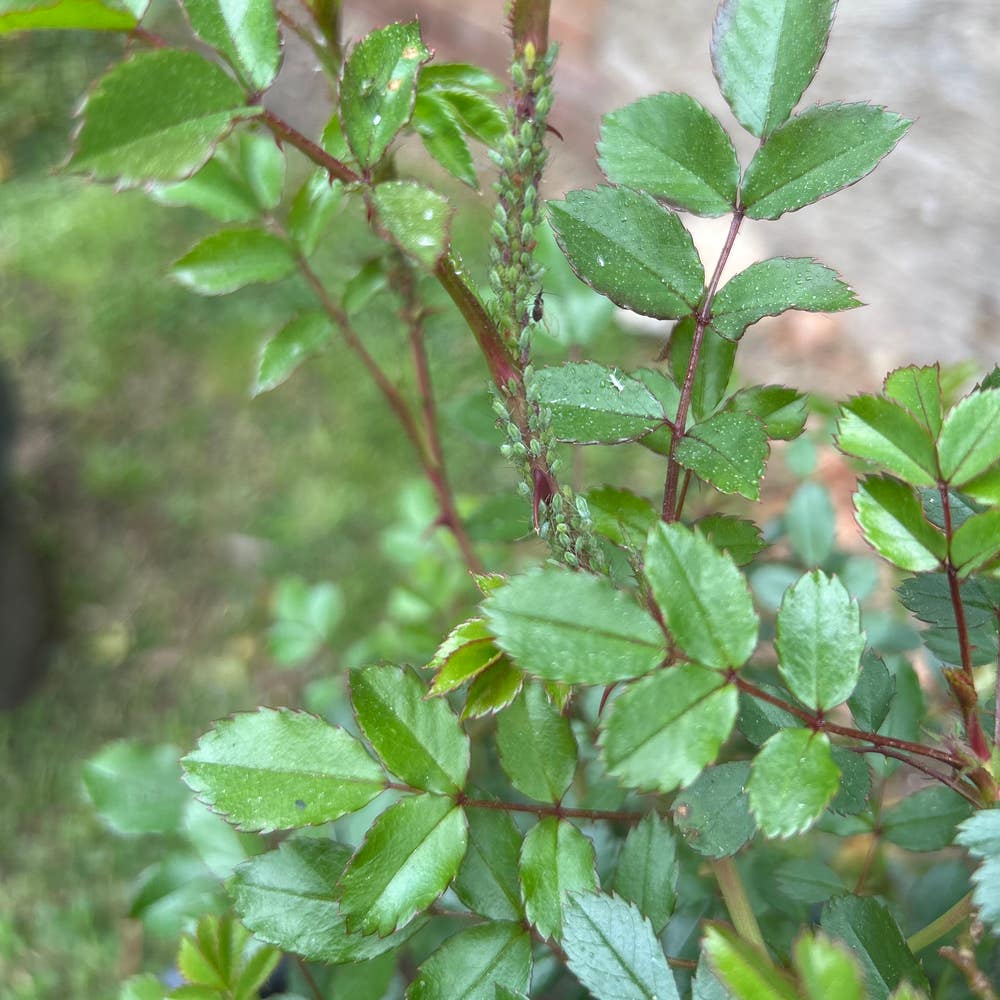
Pests can wreak havoc on your roses, leading to droopy leaves and stunted growth. Common culprits include aphids, spider mites, and thrips. Look for visible insects, sticky residue on leaves, and distorted foliage as signs of an infestation.
🍄 Fungal Diseases Affecting Leaf Health
Fungal diseases can also contribute to leaf droopiness. Powdery mildew and black spot are two common issues that affect roses. Symptoms include a white powdery coating on leaves and dark spots, which can severely impact your plant's vitality.
With a clear understanding of these potential problems, you can take the necessary steps to restore your ground cover roses to their vibrant selves. Next, we’ll explore effective solutions to address these issues and promote healthy growth.
Solutions for Droopy Leaves
🌊 Adjusting Watering Practices
- Assess soil moisture: Use a moisture meter or perform a finger test to determine if your roses need water.
- Watering frequency: Adjust how often you water based on current weather and soil conditions.
- Recommended watering method: Deep watering is ideal as it encourages robust root growth.
🌧️ Improving Soil Drainage
- Techniques for enhancing drainage: Incorporate perlite or sand into your soil mix to improve drainage.
- Importance of raised beds: Using raised beds can significantly promote better drainage, keeping roots healthy.
🌱 Fertilization Tips for Healthy Growth
- Recommended fertilizers: Opt for balanced NPK fertilizers to provide essential nutrients.
- Timing: Fertilize your roses in early spring and again in mid-summer for optimal growth.
🐛 Pest Control Methods
- Organic options: Consider using neem oil or insecticidal soap to manage pests effectively.
- Monitoring: Regular checks are crucial for early detection of any pest issues.
🍄 Treating Fungal Infections
- Treatment options: Use fungicides or natural remedies like a baking soda solution to combat fungal diseases.
- Prevention: Ensure good air circulation around your plants and avoid overhead watering to minimize fungal risks.
By implementing these solutions, you can revitalize your ground cover roses and keep their leaves healthy and vibrant. Next, let’s explore some preventative measures to maintain their health year-round.
Preventative Measures
Best Practices for Watering 🌊
Watering your ground cover roses at the right time is crucial. Aim for early morning or late afternoon to minimize evaporation and ensure the plants absorb moisture effectively.
Soak the soil thoroughly, but avoid wetting the leaves. This helps prevent fungal diseases while ensuring the roots get the hydration they need.
Soil Amendments for Optimal Health 🌱
To keep your roses thriving, consider adding compost and organic matter to the soil. These amendments improve soil structure and enhance nutrient content, promoting healthier growth.
Healthy soil is the foundation for vibrant plants. Investing in soil quality pays off in lush foliage and abundant blooms.
Regular Monitoring for Pests and Diseases 🔍
Stay proactive by inspecting your roses weekly during the growing season. Regular checks can help you catch any issues early, ensuring your plants remain healthy.
Watch for changes in leaf appearance and growth patterns. Early detection is key to preventing more significant problems down the line.
Seasonal Care Tips to Prevent Droop 🍂
Each season brings unique care needs for your roses. In spring, focus on fertilization and pruning to encourage new growth.
During summer, maintain a regular watering schedule and keep an eye out for pests. As fall approaches, mulching becomes essential to prepare your plants for winter dormancy.
By following these preventative measures, you can keep your ground cover roses healthy and vibrant, reducing the chances of droopy leaves. Next, let’s explore pruning and maintenance techniques to further enhance your rose care routine.
Pruning and Maintenance
🌱 When and How to Prune
Pruning your ground cover roses is essential for their health and vitality. The best time to prune is late winter to early spring, just before new growth begins.
To promote robust new growth, cut back any dead or damaged stems. This not only rejuvenates the plant but also encourages a fuller appearance.
🌸 Importance of Deadheading
Deadheading is a simple yet effective practice that can significantly enhance your rose garden. By removing spent flowers, you encourage more blooms and prevent unwanted seed formation.
To deadhead, simply pinch or cut off the faded flowers just above the first set of leaves. This small action can lead to a more vibrant display.
🛠️ Seasonal Maintenance Tasks
Maintaining your roses throughout the seasons is key to their success. In spring, focus on fertilizing and checking for pests to set a strong foundation for growth.
During summer, ensure regular watering and keep an eye out for any signs of disease. As fall approaches, prepare your roses for dormancy by mulching and protecting the roots.
By following these pruning and maintenance tips, you’ll foster healthy, thriving ground cover roses that bring beauty to your garden. Next, let’s explore the environmental factors that influence their growth.
Environmental Factors
Sunlight Requirements 🌞
Ground cover roses thrive in full sun, requiring 6-8 hours of direct sunlight daily. If your roses exhibit leggy growth or produce fewer blooms, it’s a clear sign they might not be getting enough light.
Impact of Temperature and Humidity on Leaf Health 🌡️
For optimal growth, maintain a temperature range of 60°F to 75°F (15°C to 24°C). Additionally, moderate humidity levels are essential to prevent stress on the plants, ensuring they remain healthy and vibrant.
Mulching Benefits for Moisture Retention 🌿
Using organic mulch, such as wood chips or straw, can significantly benefit your roses. Mulch helps reduce evaporation, suppress weeds, and maintain consistent soil temperature, creating a more stable environment for your plants.
Understanding these environmental factors is crucial for nurturing your ground cover roses. By ensuring they receive adequate sunlight, maintaining the right temperature and humidity, and utilizing mulch effectively, you can promote robust growth and vibrant blooms. Next, we’ll explore practical solutions to address droopy leaves and keep your roses flourishing.
⚠️ Safety First
This content is for general information and may contain errors, omissions, or outdated details. It is not medical, veterinary advice, or an endorsement of therapeutic claims.
Always consult a qualified healthcare professional before using any plant as food, medicine, or supplement.
Never eat any plant (or feed one to pets) without confirming its identity with at least two trusted sources.
If you suspect poisoning, call Poison Control (800) 222-1222, the Pet Poison Helpline (800) 213-6680, or your local emergency service immediately.
Spotted an error? Please report it here.
Revive your droopy ground cover roses by mastering watering, soil quality, and pest control, and let Greg guide you with customized reminders and tips for thriving blooms! 🌹