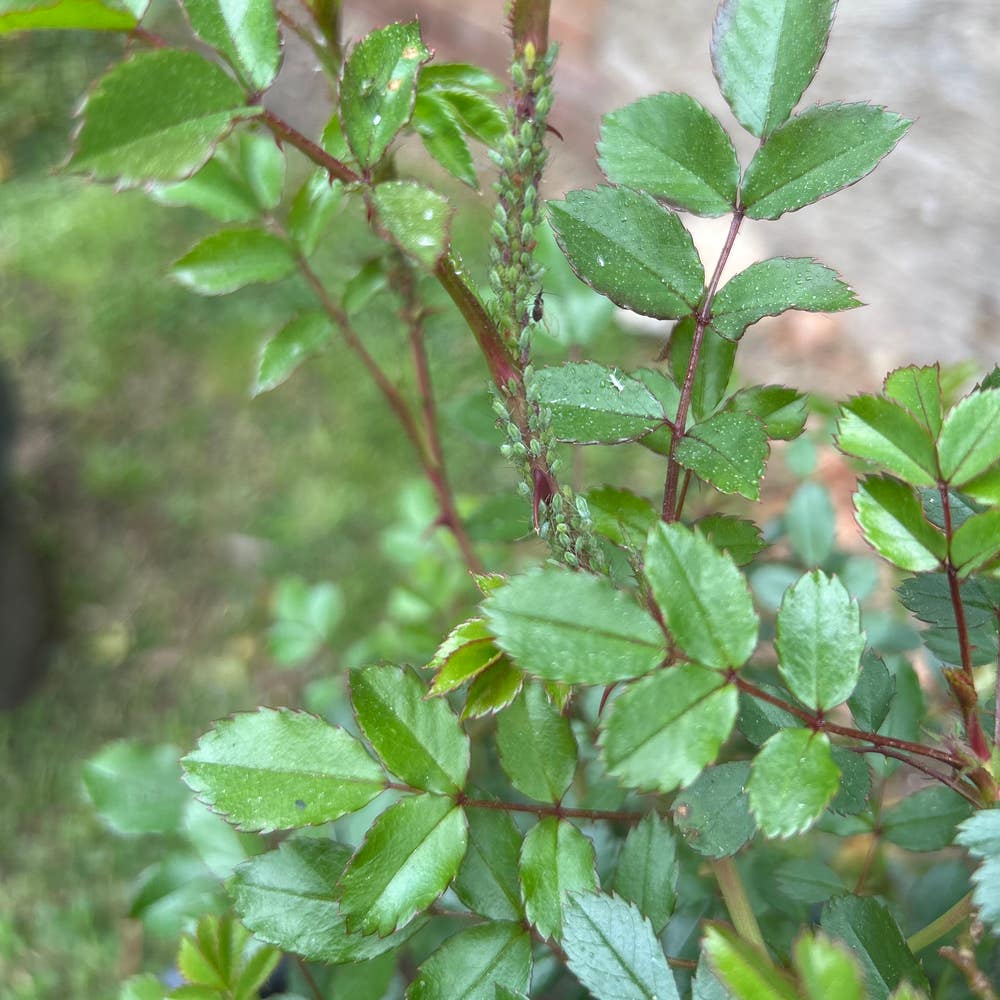
🌹 Ground cover roses Is Not an Annual
Rosa spp.
By the Greg Editorial Team
Aug 10, 2024•3 min read
This article was created with the help of AI so we can cover more plants for you. May contain errors. See one? Report it here.
- 🌹 Ground cover roses are perennials, thriving year after year with minimal care.
- ❄️ Robust roots ensure survival through harsh winters, unlike annuals that perish.
- 🌼 Continuous blooming enhances garden aesthetics, providing beauty throughout the growing season.
Ground Cover Roses as Perennials
🌱 Genetic Characteristics
Ground cover roses are specifically bred through hybridization for desirable traits like low growth and disease resistance. This genetic makeup contributes to their longevity and resilience, making them a reliable choice for gardens.
🌿 Physiological Traits Supporting Perennial Classification
These roses boast a deep and robust root system, which allows them to survive winter conditions effectively. Their leaf structure is also adapted for efficient photosynthesis across multiple seasons, supporting their perennial nature.
🌸 Long-Term Lifecycle and Growth Patterns
One of the standout features of ground cover roses is their blooming frequency. They produce multiple blooms throughout the growing season, creating a vibrant display.
Their spreading growth habit effectively covers the ground, making them an excellent choice for filling spaces in your garden.
🌼 Lifecycle Comparison with Annuals
Unlike annuals, which have a single bloom period, ground cover roses bloom repeatedly. This continuous flowering cycle enhances garden aesthetics over time.
While they do produce seeds, ground cover roses primarily propagate through cuttings, ensuring their presence in your garden year after year.
🌍 Regional Variations and Misconceptions
In certain climates or due to mismanagement, ground cover roses may be mistakenly treated as annuals. This misunderstanding can lead to improper care and expectations.
Additionally, varietal differences can create exceptions in how these roses are perceived, contributing to common misconceptions about their lifecycle and care requirements.
Understanding these aspects can help gardeners appreciate the true nature of ground cover roses and their value in perennial planting.
Garden Design Implications
🌹 Advantages in Perennial Planting
Ground cover roses are a fantastic choice for low-maintenance gardening. Once established, they require significantly less care compared to annuals, freeing up your time for other gardening joys.
Their aesthetic appeal is undeniable. With continuous blooms throughout the growing season, these roses enhance the beauty of any garden, creating a vibrant and inviting atmosphere.
🏡 Strategies for Incorporating into Garden Design
When it comes to planting schemes, ground cover roses shine. They work wonderfully in borders, along pathways, or as fillers in perennial beds, adding color and texture wherever they grow.
Companion planting is another effective strategy. Pairing ground cover roses with other perennials can create diverse textures and colors, enriching your garden's visual appeal and promoting a healthy ecosystem.
Incorporating ground cover roses into your garden design not only elevates its beauty but also simplifies maintenance. With the right strategies, you can enjoy a flourishing garden that thrives year after year.
As we explore how to maximize the longevity of these stunning plants, consider the best practices that will keep your garden vibrant and healthy.
Maximizing Longevity
Tips for Managing as Perennials 🌱
Pruning
Regular trimming is essential for ground cover roses. It encourages new growth and boosts blooming, keeping your plants vibrant and healthy.
Fertilization
Using balanced fertilizers supports long-term health. This simple step can make a significant difference in the vitality of your roses.
Best Practices for Ensuring Long-Term Health and Flowering 🌼
Watering
Consistent moisture is key, but avoid waterlogging. Ground cover roses thrive with regular watering that keeps the soil evenly moist.
Mulching
Applying mulch protects roots and retains soil moisture during dry spells. This practice not only benefits your roses but also reduces weed growth.
By following these tips and best practices, you can ensure your ground cover roses flourish year after year. With proper care, they will continue to enhance your garden's beauty and resilience.
Next, let’s explore the advantages of incorporating these perennials into your garden design.
⚠️ Safety First
This content is for general information and may contain errors, omissions, or outdated details. It is not medical, veterinary advice, or an endorsement of therapeutic claims.
Always consult a qualified healthcare professional before using any plant as food, medicine, or supplement.
Never eat any plant (or feed one to pets) without confirming its identity with at least two trusted sources.
If you suspect poisoning, call Poison Control (800) 222-1222, the Pet Poison Helpline (800) 213-6680, or your local emergency service immediately.
Spotted an error? Please report it here.
Transform your garden with ever-blooming ground cover roses 🌹 and let Greg guide you with tailored care tips and reminders for thriving, vibrant displays all season long!