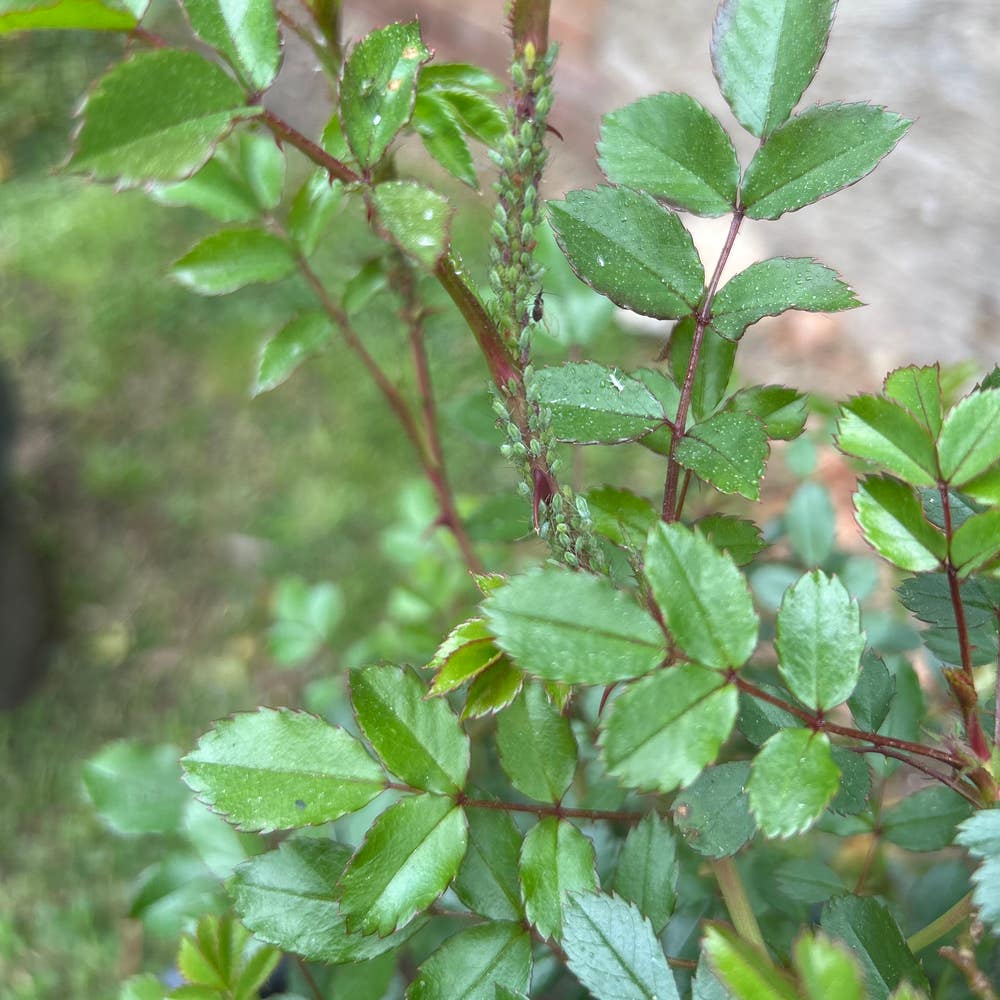
🌹 Top 5 Companions for a Healthy Ground cover roses Garden
Rosa spp.
By the Greg Editorial Team
Aug 10, 2024•4 min read
This article was created with the help of AI so we can cover more plants for you. May contain errors. See one? Report it here.
- 🌹 Companion plants like lavender and marigolds boost ground cover roses' health and beauty.
- 🐞 Attract beneficial insects with catmint and salvia for better pollination and pest control.
- ❌ Avoid heavy feeders like potatoes and fennel to protect your roses from nutrient competition.
Top Companion Plants for Ground Cover Roses
🌿 Lavender
Lavender is a fantastic companion for Ground cover roses due to its care compatibility. It thrives in similar soil conditions and sunlight requirements, making it a perfect match.
Additionally, lavender is drought-tolerant, aligning well with the needs of Ground cover roses. Its pest-repellent properties naturally deter unwanted visitors like aphids and whiteflies.
Visually, lavender adds vibrant purple hues and aromatic foliage, enhancing the overall aesthetics of your garden. This combination of beauty and practicality makes it a must-have.
🐱 Catmint
Catmint shares similar care needs with Ground cover roses, preferring well-drained soil and full sun. This compatibility ensures both plants thrive together.
Moreover, catmint attracts beneficial insects, drawing in pollinators and predatory insects that help control pests. Its soft, cascading look beautifully complements the blooms of your roses.
🌸 Salvia
Salvia is another excellent choice, known for its drought tolerance. Once established, it requires minimal watering, making it ideal for rose gardens.
This plant also contributes to pest management by attracting pollinators and beneficial insects. With a range of colors, salvia provides stunning contrast to the vibrant rose blooms.
🌱 Thyme
Thyme serves as a living mulch, suppressing weeds and retaining soil moisture. This ground cover benefit is invaluable for maintaining a healthy garden.
Its aromatic properties release pleasant scents that can deter certain pests. Plus, thyme is low maintenance, making it perfect for busy gardeners who still want a thriving landscape.
🌼 Marigolds
Marigolds are renowned for their pest-repellent qualities. They effectively deter nematodes and other harmful insects, protecting your roses.
These bright flowers add vibrant yellows and oranges to your garden, enhancing its visual appeal. Furthermore, marigolds improve the overall health of the rose garden through effective pest management.
Incorporating these companion plants not only boosts the health of your Ground cover roses but also creates a visually stunning garden. Next, let’s explore which plants to avoid near your roses for optimal growth.
Plants to Avoid Near Ground Cover Roses
🌿 Fennel
Fennel is a plant you definitely want to keep at a distance from your Ground cover roses. It can inhibit the growth of nearby plants, including your beloved roses.
Moreover, fennel competes for nutrients, which can weaken your roses and may even attract pests that harm them.
🥔 Potatoes
Potatoes are another no-go for your rose garden. As heavy feeders, they can deplete the soil of essential nutrients that your roses need to thrive.
Additionally, potatoes attract pests like aphids, which can also target your roses, creating a double whammy for your garden's health.
🌱 Other Heavy Feeders
It's wise to steer clear of other heavy feeders as well. These plants compete for essential nutrients, leading to poor health for your Ground cover roses.
The competition for resources can hinder both the growth and blooming of your roses, leaving you with a less vibrant garden than you envisioned.
By avoiding these plants, you can create a thriving environment for your Ground cover roses, ensuring they flourish beautifully. Next, let’s explore effective pest management strategies to keep your garden healthy and vibrant.
Pest Management Strategies
Companion plants play a crucial role in pest control within your garden. By strategically selecting companions, you can naturally repel pests and attract beneficial insects that help maintain a healthy ecosystem.
🌿 Natural Pest Repellents
Certain plants, like lavender and marigolds, are known for their pest-repellent properties. Lavender deters aphids and whiteflies, while marigolds can keep nematodes at bay.
🐞 Attracting Beneficial Insects
Companion planting also draws in beneficial insects. For instance, ladybugs and lacewings feast on aphids, while bees help with pollination. These allies contribute significantly to a balanced garden environment.
🔄 Integrated Pest Management (IPM)
Implementing Integrated Pest Management (IPM) principles can enhance your pest control strategy. This approach combines biological, cultural, and mechanical practices to effectively manage pests while minimizing chemical use.
- Biological Control: Utilize natural predators like ladybugs.
- Cultural Practices: Rotate crops and maintain healthy soil.
- Mechanical Methods: Use barriers or traps to physically deter pests.
By integrating these strategies, you can create a thriving garden that not only looks beautiful but also stays healthy and pest-free.
As you explore companion planting, consider how these strategies can enhance your ground cover roses garden. Next, let’s look at which plants to avoid to ensure your roses flourish.
⚠️ Safety First
This content is for general information and may contain errors, omissions, or outdated details. It is not medical, veterinary advice, or an endorsement of therapeutic claims.
Always consult a qualified healthcare professional before using any plant as food, medicine, or supplement.
Never eat any plant (or feed one to pets) without confirming its identity with at least two trusted sources.
If you suspect poisoning, call Poison Control (800) 222-1222, the Pet Poison Helpline (800) 213-6680, or your local emergency service immediately.
Spotted an error? Please report it here.
Boost your ground cover roses' health and beauty by choosing the right companions, and let Greg guide you with personalized care tips to create a thriving garden ecosystem! 🌹