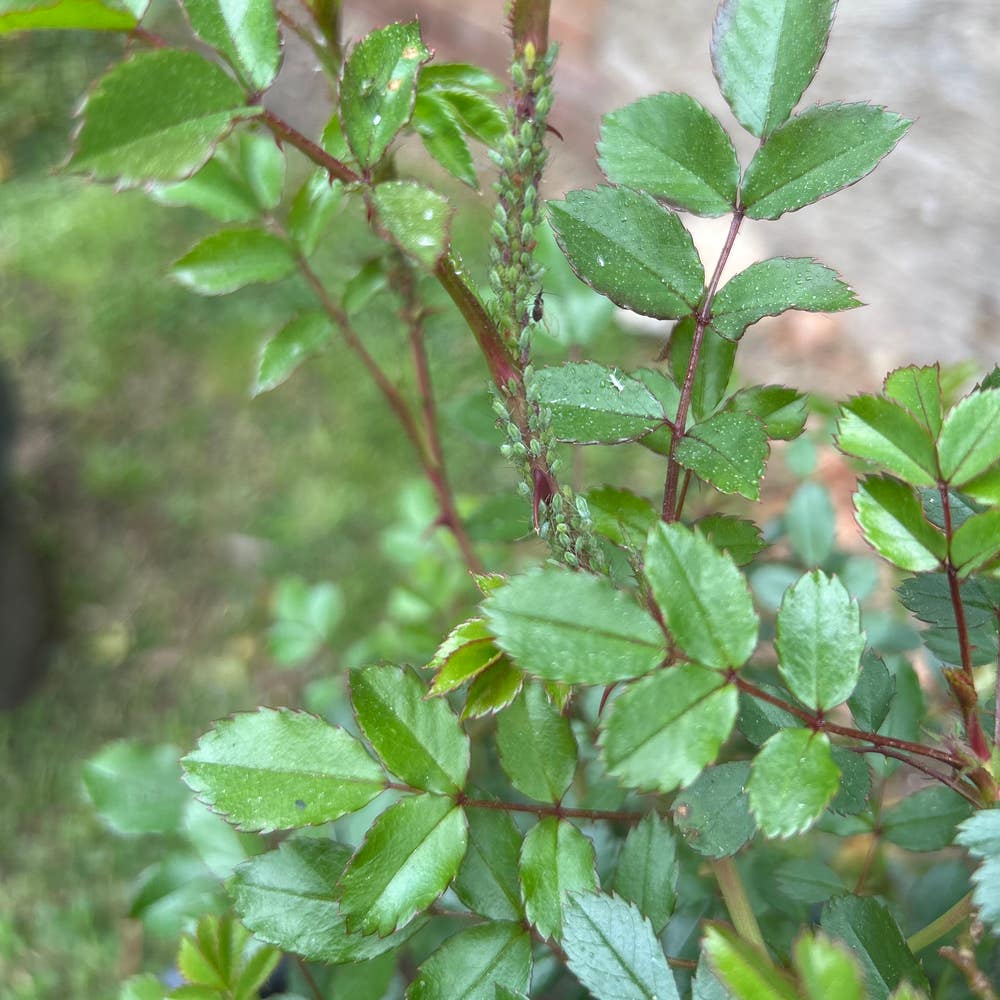
🌹 Ground cover roses Is Not Considered a Weed
Rosa spp.
By the Greg Editorial Team
Aug 10, 2024•6 min read
This article was created with the help of AI so we can cover more plants for you. May contain errors. See one? Report it here.
- 🌹 Ground cover roses are non-invasive, enhancing gardens without disrupting local ecosystems.
- 🌼 They attract beneficial insects, boosting biodiversity and supporting sustainable gardening practices.
- 🌞 Adaptable to various conditions, these roses thrive in sunny to partially shaded areas.
Plant Classification
🌱 Definition of Invasive Species
Invasive species are plants that exhibit rapid growth and spread, often outcompeting native flora. They can disrupt local ecosystems, leading to a decline in biodiversity and altering habitats.
🌼 Characteristics of Non-Invasive Plants
Non-invasive plants typically have slow to moderate growth rates and limited spread potential. They contribute positively to local ecosystems, enhancing biodiversity and supporting wildlife.
🌹 Why Ground Cover Roses Are Not Invasive
Ground cover roses are characterized by controlled growth habits, making them easy to manage. Their dense root systems stabilize soil, preventing erosion and fostering healthy landscapes.
Moreover, these roses interact positively with local flora and fauna, attracting beneficial insects and pollinators. This symbiotic relationship enhances the overall health of the garden ecosystem.
With their manageable growth and ecological benefits, ground cover roses stand out as a responsible choice for gardeners looking to beautify their spaces without harming the environment.
As we explore their growth habits next, you'll see how these roses thrive in various conditions while maintaining their non-invasive nature.
Growth Habits
Typical Growth Patterns 🌹
Ground cover roses are known for their low-growing, spreading nature, typically reaching heights of 1 to 2 feet. Their abundant blooms throughout the growing season create a vibrant display that enhances any garden.
Spread Potential and Natural Growth Limits 🌱
These roses can spread 2 to 3 feet wide, depending on the variety. Their dense foliage naturally limits excessive spread, making them manageable in various garden settings.
Seasonal Growth Cycles 🍂
In spring, ground cover roses burst into new growth and blooming. Summer marks their peak blooming season, while fall is a time for preparation for dormancy. During winter, they enter a dormant phase with minimal activity, conserving energy for the next cycle.
With their predictable growth habits and seasonal cycles, ground cover roses offer a reliable and beautiful addition to any garden. Next, let’s explore their ecological role and the benefits they bring to gardens and local wildlife.
Ecological Role
Benefits in Gardens 🌹
Ground cover roses play a vital role in garden ecosystems. Their dense root systems effectively stabilize soil, preventing erosion and maintaining soil health.
Additionally, these roses provide an aesthetic enhancement with their continuous blooms. This vibrant display not only beautifies gardens but also creates a welcoming environment for both people and wildlife.
Positive Interactions with Local Wildlife 🐝
These roses are more than just pretty flowers; they attract essential pollinators like bees and butterflies. By drawing in these creatures, ground cover roses contribute to the overall health of the garden ecosystem.
Moreover, they offer habitat for beneficial insects. This creates a balanced environment where various species can thrive, promoting a healthy garden ecosystem.
Contribution to Biodiversity 🌍
Ground cover roses support a diverse range of flora and fauna. Their presence encourages a variety of species to coexist, enhancing the overall biodiversity of the area.
This diversity is crucial for ecosystem resilience. A rich variety of plants and animals can better withstand environmental changes, making gardens with ground cover roses more robust and sustainable.
As we explore the practical aspects of incorporating these roses into garden designs, their ecological benefits will continue to shine through.
Garden Management
Effective Incorporation into Designs 🌼
Ground cover roses thrive best in sunny to partially shaded areas. Pairing them with other non-invasive plants enhances biodiversity and creates a vibrant garden ecosystem.
Maintenance Tips 💧
Water your ground cover roses regularly, but avoid overwatering; letting the soil dry between watering is key. Annual pruning helps maintain their shape and encourages fresh growth, ensuring your garden remains lush and inviting.
Controlling Growth for Aesthetic Purposes ✂️
To keep your ground cover roses looking their best, follow these steps:
- Regular trimming: This helps maintain the desired height and spread.
- Use edging materials: Define boundaries to keep them in check.
- Monitor for unwanted spread: Keep an eye on their growth to prevent encroachment into other areas.
By managing these aspects, you can enjoy the beauty of ground cover roses while maintaining a well-organized garden. Next, let’s explore how these plants contribute to the ecological balance in your garden.
Comparison to Other Plants
🌱 Similar Non-Invasive Ground Cover Plants
When considering ground cover options, several non-invasive plants stand out. Creeping thyme, sedum, and ajuga are excellent alternatives, each offering unique benefits.
These plants share characteristics like low growth and spreading habits, making them ideal for filling spaces without overwhelming other flora. Their ability to thrive without becoming invasive makes them perfect companions in any garden.
🌼 Unique Qualities
Ground cover roses shine with their continuous blooming throughout the growing season. This feature not only adds vibrant color but also enhances the overall aesthetics of your garden.
Additionally, their attractive foliage complements their flowers, creating a visually appealing landscape. This combination makes them a favorite among gardeners looking to elevate their outdoor spaces.
🌟 Benefits Over Other Options
One of the standout benefits of ground cover roses is their resilience to various soil types and conditions. Whether your garden is sandy, clay-heavy, or somewhere in between, these roses adapt well.
Moreover, they play a crucial role in attracting beneficial wildlife. By inviting pollinators like bees and butterflies, ground cover roses contribute to a thriving ecosystem, making them a smart choice for any environmentally conscious gardener.
In summary, ground cover roses not only provide beauty but also offer practical advantages over other ground cover plants. Their unique qualities and ecological benefits make them a valuable addition to any garden.
As we explore the next section, let’s delve into the legal and environmental considerations surrounding the use of these delightful plants.
Legal and Environmental Considerations
📜 Relevant Classifications and Guidelines
When considering ground cover roses, it's essential to be aware of local regulations regarding non-invasive species. Many regions have guidelines that promote planting non-invasive plants to protect local ecosystems.
Horticultural societies often recommend specific plants that contribute positively to the environment. Ground cover roses frequently appear on these lists due to their non-invasive nature and ecological benefits.
🌱 Sustainable Gardening Practices
Selecting non-invasive plants is crucial for maintaining ecological balance in gardens. Ground cover roses fit perfectly into sustainable landscape designs, offering beauty without the risk of spreading uncontrollably.
Incorporating these roses not only enhances garden aesthetics but also supports local wildlife. Their presence can create a thriving ecosystem that benefits both plants and animals.
🌍 Environmental Impact
Ground cover roses contribute positively to soil health and local ecosystems. Their dense root systems help prevent erosion, promoting soil stability and fertility.
Moreover, these roses pose minimal risk of becoming invasive compared to other ground cover options. This makes them a responsible choice for gardeners looking to enhance their landscapes sustainably.
As we explore the ecological role of ground cover roses, it becomes clear how they enrich our gardens while supporting the environment.
⚠️ Safety First
This content is for general information and may contain errors, omissions, or outdated details. It is not medical, veterinary advice, or an endorsement of therapeutic claims.
Always consult a qualified healthcare professional before using any plant as food, medicine, or supplement.
Never eat any plant (or feed one to pets) without confirming its identity with at least two trusted sources.
If you suspect poisoning, call Poison Control (800) 222-1222, the Pet Poison Helpline (800) 213-6680, or your local emergency service immediately.
Spotted an error? Please report it here.
Enhance your garden's beauty and biodiversity with ground cover roses 🌹, and let Greg provide you with tailored care reminders to keep them thriving all season long!