🌹 Step-by-Step Guide to Trimming Ground cover roses
Rosa spp.
By the Greg Editorial Team
Aug 10, 2024•4 min read
This article was created with the help of AI so we can cover more plants for you. May contain errors. See one? Report it here.
- 🌹 Prune ground cover roses in spring and fall for optimal growth and health.
- ✂️ Signs to prune include new growth, dead wood, and overcrowding for better blooms.
- 🌍 Local climate affects timing; prune after frost in colder areas for best results.
When to Prune
🌸 Best Seasons for Pruning
Pruning ground cover roses is best done in spring and fall. Spring is the prime time for shaping your roses and encouraging vibrant new growth, while fall allows for light pruning to prepare the plants for winter dormancy.
🔍 Signs That Indicate When to Prune
Look for specific signs that indicate it's time to prune. New growth emerging in spring is a clear signal, as well as visible dead or damaged wood. If your roses appear overcrowded or lack blooms, it's time to take action.
🌦️ Timing Considerations Based on Climate
Your local climate plays a crucial role in determining the right time to prune. In warmer climates, aim for early spring pruning to maximize growth. Conversely, in colder climates, it's best to wait until after the last frost to avoid damaging your plants.
With these guidelines in mind, you're well-equipped to tackle your pruning tasks effectively. Next, let’s dive into the step-by-step process of how to prune your ground cover roses for optimal health and beauty.
How to Prune
Step-by-Step Pruning Process 🌱
Assessing the Plant Before Pruning
Start by evaluating the overall health of your ground cover roses. Look for growth habits and identify any areas that need attention.Identifying Dead or Damaged Wood
Check for brown, brittle stems that signal dead or damaged wood. Remove any diseased or infested branches to keep your plant healthy.Techniques for Cutting
When cutting, always use a sharp tool. Make your cuts at a 45-degree angle to promote healing and trim back to healthy wood or just above a bud.
Shaping for Optimal Growth 🌳
To maintain a rounded, balanced shape, focus on pruning techniques that encourage spreading. Avoid excessive height by regularly trimming back taller stems.
Tips for Maintaining a Balanced Shape ⚖️
Keep an eye out for uneven growth as you care for your roses. Prune back longer stems to promote bushiness and ensure a fuller appearance.
With these pruning techniques, your ground cover roses will thrive, setting the stage for vibrant blooms and lush foliage. Next, let’s explore the art of deadheading to keep your roses looking their best.
Common Mistakes
✂️ Over-Pruning vs. Under-Pruning
Pruning can be a double-edged sword. Over-pruning often leads to sparse foliage and fewer blooms, leaving your ground cover roses looking bare.
On the flip side, under-pruning results in an overcrowded appearance, which can hinder air circulation and promote disease. Finding the right balance is crucial for healthy growth.
🛠️ Misusing Tools and Techniques
Using the right tools is essential for effective pruning. Always opt for sharp, clean pruning shears to prevent damage to your plants.
Common mistakes include cutting too close to the stem or leaving stubs, both of which can lead to complications. Proper technique ensures your roses thrive.
🌱 Ignoring Seasonal Cues
Timing is everything when it comes to pruning. Pruning too early or too late in the season can stress your plants and affect their growth.
Adapting your pruning schedule to local climate conditions is vital. Pay attention to seasonal cues to ensure your roses get the care they need.
By avoiding these common mistakes, you'll set your ground cover roses up for success. Next, let's explore how to care for your plants after pruning to keep them flourishing.
Post-Pruning Care
Care After Pruning 🌹
After pruning your ground cover roses, proper care is essential for their recovery and growth. Start by ensuring consistent moisture; water your roses regularly but avoid waterlogging, which can lead to root rot.
Mulching is another key step. Apply a layer of mulch around the base of the plants to help retain moisture and suppress weeds, creating a healthier environment for your roses.
Fertilization and Watering Tips 💧
Fertilization plays a crucial role in post-pruning care. Use a balanced rose fertilizer about 4-6 weeks after pruning to give your plants the nutrients they need to thrive.
When it comes to watering, opt for deep watering sessions. This encourages root growth and helps your roses establish a strong foundation for the growing season.
Monitoring for Pests and Diseases 🐞
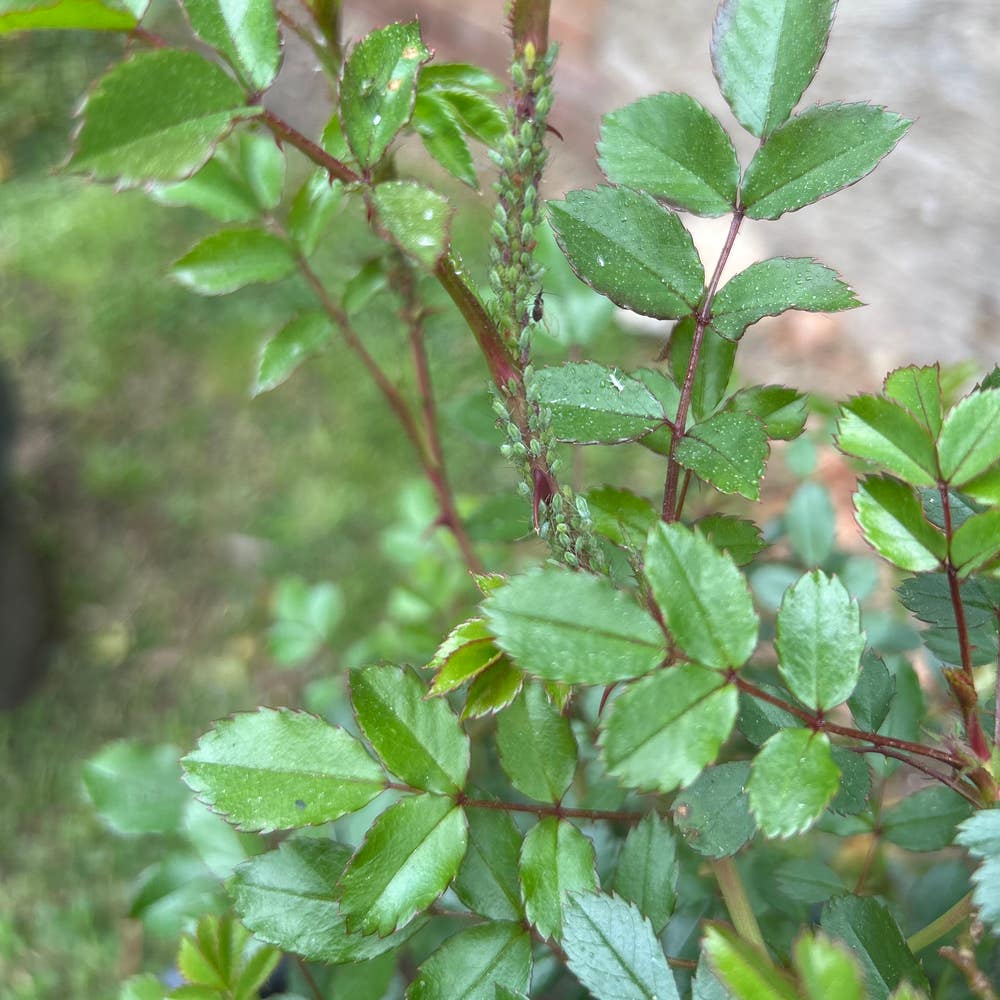
Regular inspections are vital for keeping your roses healthy. Look out for common pests like aphids and spider mites, which can quickly become a problem if not addressed.
Implement early intervention strategies for disease management. Catching issues early can save your plants from significant damage and keep them blooming beautifully.
With these post-pruning care tips, your ground cover roses will be well on their way to a vibrant and flourishing season. Next, let’s explore some common mistakes to avoid during the pruning process.
⚠️ Safety First
This content is for general information and may contain errors, omissions, or outdated details. It is not medical, veterinary advice, or an endorsement of therapeutic claims.
Always consult a qualified healthcare professional before using any plant as food, medicine, or supplement.
Never eat any plant (or feed one to pets) without confirming its identity with at least two trusted sources.
If you suspect poisoning, call Poison Control (800) 222-1222, the Pet Poison Helpline (800) 213-6680, or your local emergency service immediately.
Spotted an error? Please report it here.
Trim your ground cover roses for vibrant blooms 🌹 this season, and let Greg guide you with tailored watering reminders and expert care tips to ensure your success!