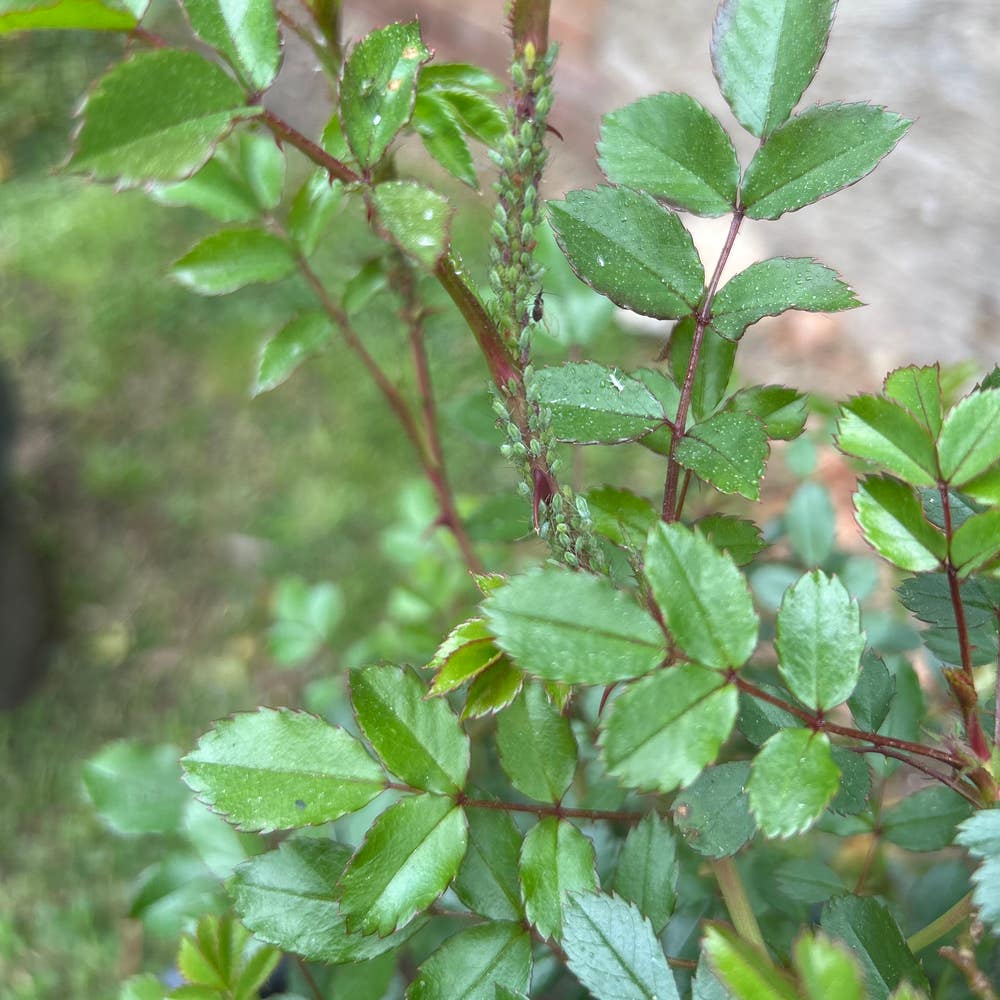
3 Tips for Healing Brown Spots on Your Ground cover roses 🌹
Rosa spp.
By the Greg Editorial Team
Aug 10, 2024•5 min read
This article was created with the help of AI so we can cover more plants for you. May contain errors. See one? Report it here.
- 🌱 Identify brown spot causes: fungal, bacterial, or pest issues for effective treatment.
- 🧴 Use neem oil or baking soda to combat brown spots organically and effectively.
- 🌿 Regular inspections and proper care prevent brown spots and promote healthy roses.
Diagnosing the Problem
🦠 Differentiating Between Fungal, Bacterial, and Pest-Related Issues
Identifying the cause of brown spots on your ground cover roses is crucial for effective treatment. Fungal infections often present as irregular spots with a fuzzy appearance, while bacterial issues typically manifest as water-soaked spots with distinct margins.
Pest-related problems can be spotted through signs like holes in the leaves or webbing, indicating insect activity. Understanding these symptoms helps you pinpoint the issue before it escalates.
🔍 Importance of Leaf Inspection and Soil Analysis
Regular leaf inspections are vital for early detection of disease. Look for discoloration, spots, or unusual textures that could indicate a problem.
Soil analysis is equally important. Testing for pH and nutrient levels can reveal deficiencies that may contribute to your roses' health issues. A balanced soil environment supports robust plant growth.
📞 When to Consult a Professional
Sometimes, the problem may be beyond your expertise. Signs that you need professional help include severe infestations or persistent issues that don’t improve with home remedies.
To find local experts in rose care, consider reaching out to gardening clubs or local nurseries. They can connect you with knowledgeable professionals who can provide tailored advice for your roses.
Treatment Options
🌱 Organic Treatments for Brown Spots
Neem Oil
Neem oil is a fantastic organic solution for treating brown spots. Apply it every 7-14 days, ensuring you cover both the tops and undersides of leaves for maximum effectiveness.
Baking Soda Solution
A simple baking soda solution can work wonders. Mix 1 tablespoon of baking soda with 1 gallon of water and spray it on affected areas every 1-2 weeks to help combat fungal issues.
Compost Tea
Compost tea not only nourishes your roses but also helps fight diseases. Brew it by steeping compost in water for 24-48 hours, then apply it to the soil and foliage to boost plant health.
🧪 Chemical Fungicides and Their Application
Types of Fungicides
If organic methods aren't cutting it, consider chemical fungicides. Common options include chlorothalonil and myclobutanil, which target a range of fungal infections effectively.
Application Guidelines
Timing is crucial when using fungicides. Apply them early in the morning or late in the afternoon, following the manufacturer's instructions for dosage and frequency to ensure optimal results.
✂️ Importance of Proper Pruning and Sanitation
Pruning Techniques
Proper pruning is essential for maintaining healthy ground cover roses. Remove any affected leaves and stems to improve air circulation and reduce the risk of further infection.
Sanitation Practices
Sanitation is key in preventing the spread of diseases. Clean your gardening tools regularly and remove any fallen debris around your roses to keep your plants thriving.
With these treatment options, you can effectively tackle brown spots on your ground cover roses. Next, let’s explore preventive measures to keep your roses healthy and vibrant year-round.
Preventive Measures
Best Practices for Watering and Soil Management 🌊
Maintaining the right watering schedule is crucial for your ground cover roses. Aim to water deeply but infrequently, allowing the soil to dry out slightly between sessions to promote healthy root growth.
Soil drainage is equally important. Ensure your roses are planted in well-drained soil to prevent root rot, which can lead to brown spots and other issues.
Choosing Disease-Resistant Ground Cover Rose Varieties 🌹
Selecting the right rose varieties can make a significant difference. Consider planting 'Flower Carpet' and 'Drift' roses, both known for their disease resistance and vibrant blooms.
Disease resistance contributes to overall plant health, reducing the likelihood of brown spots and other ailments. Healthy plants are better equipped to thrive in various conditions.
Seasonal Care Tips to Prevent Brown Spots 🍂
Adjusting your care practices with the seasons is essential. In warmer months, increase watering frequency, while in cooler months, reduce it to prevent over-saturation.
Mulching is another effective strategy. A layer of mulch helps retain moisture and prevents disease by keeping the soil temperature stable and reducing weed competition.
By implementing these preventive measures, you can significantly enhance the health of your ground cover roses. This proactive approach not only minimizes the risk of brown spots but also fosters a thriving garden environment.
Ongoing Care and Maintenance
Regular Monitoring for Early Signs of Issues 🌱
Regular inspections are key to catching brown spots and other symptoms early. Aim to check your ground cover roses at least once a week to stay ahead of potential problems.
Documenting changes in plant health is equally important. Keeping a record helps you identify patterns and make informed decisions about care.
Fertilization Practices to Promote Healthy Growth 🌼
Choosing the right fertilizers can significantly boost the health of your ground cover roses. Look for balanced fertilizers with equal parts nitrogen, phosphorus, and potassium, applying them according to package instructions.
Timing is crucial for fertilization. Early spring and mid-summer are ideal for application, ensuring your roses receive nutrients when they need them most.
Importance of Mulching and Soil Health 🌿
Mulching is a simple yet effective technique to enhance your garden's health. Use organic materials like wood chips or straw, applying a 2-3 inch layer around your roses to retain moisture and suppress weeds.
Maintaining nutrient-rich soil is vital for rose vitality. Regularly amend your soil with compost or well-rotted manure to keep it healthy and thriving.
By integrating these ongoing care practices, you can ensure your ground cover roses remain vibrant and resilient. Next, let’s explore preventive measures to keep those pesky brown spots at bay.
⚠️ Safety First
This content is for general information and may contain errors, omissions, or outdated details. It is not medical, veterinary advice, or an endorsement of therapeutic claims.
Always consult a qualified healthcare professional before using any plant as food, medicine, or supplement.
Never eat any plant (or feed one to pets) without confirming its identity with at least two trusted sources.
If you suspect poisoning, call Poison Control (800) 222-1222, the Pet Poison Helpline (800) 213-6680, or your local emergency service immediately.
Spotted an error? Please report it here.
Transform your ground cover roses from struggling to thriving 🌹 with Greg's personalized care tips and reminders that ensure you tackle brown spots effectively and keep your blooms vibrant!