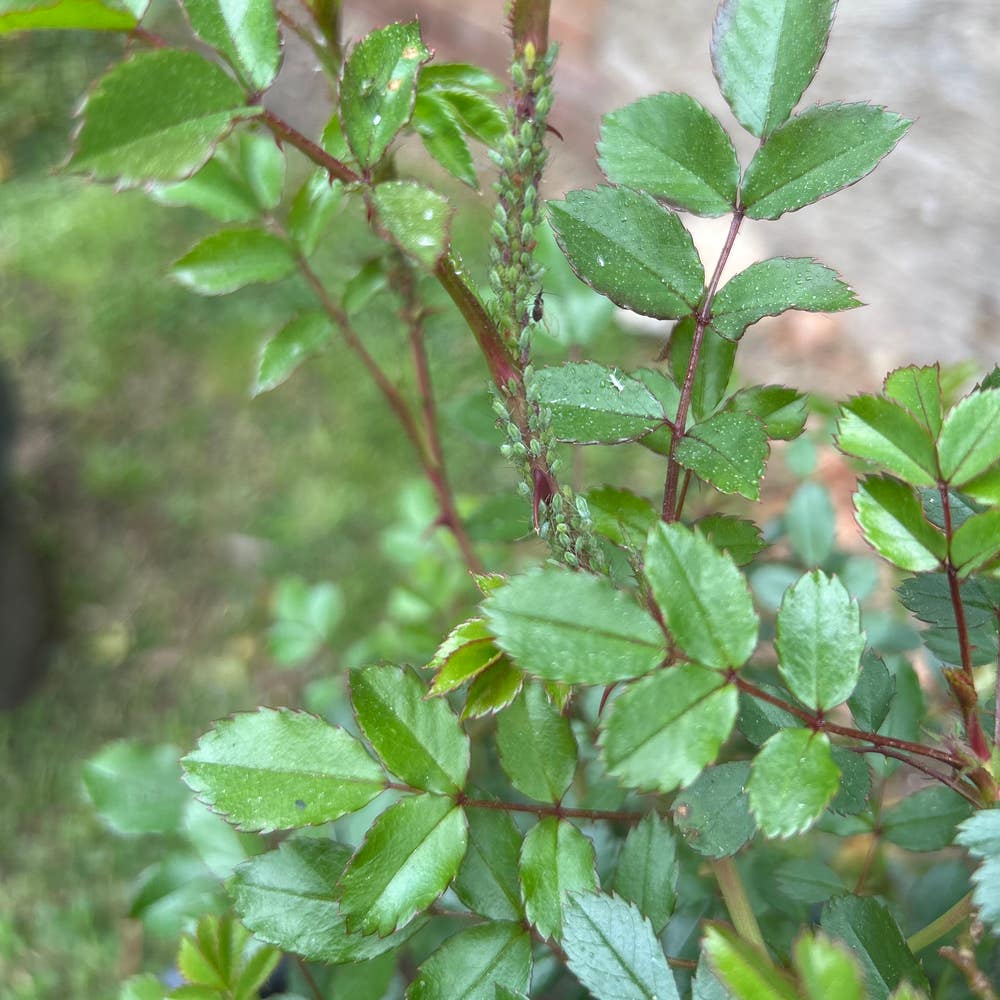
🌹 How to Get Your Ground cover roses to Bloom
Rosa spp.
By the Greg Editorial Team
Aug 10, 2024•4 min read
This article was created with the help of AI so we can cover more plants for you. May contain errors. See one? Report it here.
- 🌹 Ground cover roses bloom from late spring to fall, enhancing garden aesthetics with vibrant colors.
- 🌞 They need at least six hours of sunlight daily for optimal growth and blooming.
- ✂️ Regular deadheading and balanced fertilization are key for encouraging new blooms.
Flower Characteristics
Description of Colors and Structure 🌈
Ground cover roses are a vibrant addition to any garden, showcasing a palette of colors. You’ll commonly find shades of pink, red, and white, with variations that depend on the specific variety.
These flowers range from small to medium-sized and often feature multiple petals. Their pleasant fragrance adds an extra layer of charm, making them a delight for both the eyes and the nose.
Self-Pollination vs. External Pollination 🐝
When it comes to pollination, ground cover roses have diverse needs. Some varieties are self-pollinating, meaning they can produce fruit and seeds without outside help.
Others rely on external pollination, which is crucial for successful fruit and seed production. Understanding these differences can help you choose the right variety for your garden's needs.
With this knowledge, you can better appreciate the blooming process and ensure your roses thrive. Next, let’s explore the blooming stages and what to expect throughout the flowering season.
Blooming Process
Blooming Stages and Typical Bloom Time 🌹
Ground cover roses go through distinct stages: bud formation, blooming, and fading. Typically, these beauties bloom from late spring to fall, offering continuous flowering cycles that can brighten any garden.
Time from Bud Formation to Full Bloom ⏳
Once buds form, expect an average wait of 2-3 weeks until they burst into full bloom. This timeframe allows for anticipation, making the eventual display even more rewarding.
Duration of Flower Lifespan ⌛️
Once in bloom, each flower usually lasts about 1-2 weeks before fading. This lifespan is a reminder to enjoy their beauty while it lasts, as new blooms will soon take their place.
Understanding these blooming processes can help you appreciate the rhythm of your ground cover roses. Up next, we’ll explore how to encourage even more blooms throughout the growing season.
Encouraging Blooms
🌸 Tips to Encourage Blooming
To get your ground cover roses blooming like crazy, start with regular deadheading. This simple act of removing spent flowers encourages the plant to produce new blooms.
Next, establish a fertilization schedule using a balanced fertilizer during the growing season. This will provide essential nutrients that promote vibrant flowers.
Don't forget about sunlight! Ensure your roses receive at least six hours of direct sunlight each day. Sunlight is crucial for healthy growth and abundant blooms.
🌱 Factors Influencing Flowering
Soil quality plays a significant role in blooming. Use well-draining, fertile soil to create an ideal environment for your roses.
Watering practices are equally important. Keep the soil consistently moist but avoid waterlogging, which can harm the roots.
Lastly, consider your pruning techniques. Proper pruning not only shapes the plant but also encourages healthy growth and flowering. Regularly trim back old growth to make way for new blooms.
With these tips and factors in mind, you'll be well on your way to a stunning display of ground cover roses. Next, let’s explore what happens after your roses have finished blooming.
Post-Flowering Care
What Happens After Flowering 🌸
After your ground cover roses finish blooming, they may enter a resting phase. This is a natural part of their life cycle, but it’s crucial to continue caring for them to ensure they stay healthy and vibrant.
Lifespan of the Plant Post-Bloom 🌱
Don’t worry—ground cover roses don’t die after flowering. They keep growing and can bloom again in the next cycle, so consistent care will reward you with more beautiful flowers in the future.
Maintaining a routine of watering, fertilizing, and monitoring for pests will help your roses thrive. With the right attention, you can enjoy a continuous display of blooms throughout the growing season.
Next, let’s explore some unique aspects of ground cover roses that make them even more fascinating!
Unique Aspects
🌹 Unusual Characteristics Related to Flowering or Non-Flowering
Ground cover roses have a fascinating ability to reproduce vegetatively through runners. This means they can spread and thrive even without producing flowers, making them a resilient choice for gardeners.
🤓 Trivia About Reproductive Strategies
Some varieties of ground cover roses produce hips, which are small fruits that form after flowering. These hips not only add visual interest but can also be used for propagation or as ornamental features in your garden.
Understanding these unique aspects can enhance your appreciation for ground cover roses. They’re not just about blooms; they have intriguing reproductive strategies that contribute to their charm and utility in landscaping.
⚠️ Safety First
This content is for general information and may contain errors, omissions, or outdated details. It is not medical, veterinary advice, or an endorsement of therapeutic claims.
Always consult a qualified healthcare professional before using any plant as food, medicine, or supplement.
Never eat any plant (or feed one to pets) without confirming its identity with at least two trusted sources.
If you suspect poisoning, call Poison Control (800) 222-1222, the Pet Poison Helpline (800) 213-6680, or your local emergency service immediately.
Spotted an error? Please report it here.
Achieve vibrant blooms from your ground cover roses 🌹 by using Greg's tailored watering reminders and fertilization tips to keep them thriving all season long!