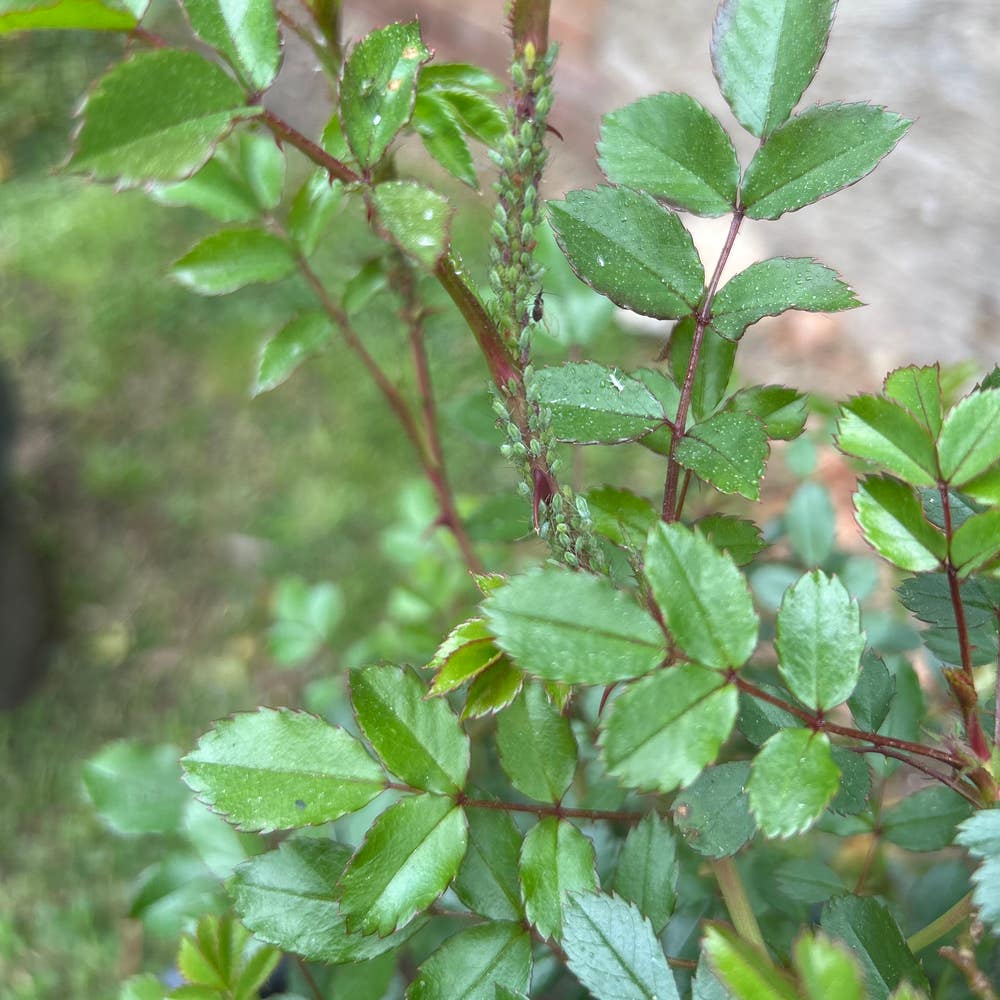
☀️ Direct Sunlight and Your Ground cover roses
Rosa spp.
By the Greg Editorial Team
Aug 10, 2024•3 min read
This article was created with the help of AI so we can cover more plants for you. May contain errors. See one? Report it here.
- 🌞 Ground cover roses need 6+ hours of direct sunlight for optimal growth.
- 🌿 Some varieties thrive in partial shade; check specific needs before planting.
- 🛡️ Excessive sunlight can scorch leaves; monitor for signs of stress regularly.
Sunlight Needs of Ground Cover Roses
🌞 General Requirements
Ground cover roses thrive in full sun, requiring at least six hours of direct sunlight daily. However, some varieties may prefer partial shade or have unique sunlight needs, so it's essential to check specific requirements.
🌤️ Tolerance Levels
Most ground cover roses exhibit high tolerance to direct sunlight, flourishing under bright conditions. Yet, certain varieties may need more shade, particularly in hotter climates, so keep an eye on their specific needs.
🔆 Effects of Excessive Sunlight
Excessive sunlight can lead to sunburn in plants, causing leaves to scorch and turn brown or crispy. Additionally, too much heat can stunt growth, hindering blooming and overall plant health.
Understanding the sunlight needs of your ground cover roses is crucial for their success. With the right conditions, these vibrant plants can truly shine in your garden.
Environmental Factors
Window Direction 🌞
Understanding window direction is crucial for your ground cover roses.
- South-facing windows: These receive the most direct sunlight throughout the day, making them ideal for sun-loving varieties.
- East-facing windows: They provide gentle morning sunlight, which can be beneficial for young plants.
- West-facing windows: Expect intense afternoon sunlight here, which can be too harsh for some roses.
- North-facing windows: Typically, these receive the least direct sunlight, making them less suitable for ground cover roses that thrive in bright conditions.
Hemisphere Differences 🌍
The hemisphere you’re in can significantly impact sunlight exposure for your plants.
- Northern hemisphere: Longer summer days mean more direct sunlight, which can be a boon for your roses but may require careful monitoring.
- Southern hemisphere: Here, sunlight angles differ, affecting how direct sunlight reaches your plants, so adjust your care accordingly.
Understanding these environmental factors will help you create the best conditions for your ground cover roses.
Next, let’s explore practical tips for plant parents to ensure their roses thrive in varying sunlight conditions.
Practical Tips for Plant Parents
🌞 Signs of Too Much Sunlight
Ground cover roses can be sensitive to excessive sunlight. Watch for leaf discoloration; if you notice yellowing or browning, it’s a clear sign your plants are struggling.
Wilting is another indicator. If the leaves droop or appear limp, they may be overwhelmed by the heat. Additionally, look out for stunted growth; reduced blooming or overall vigor can signal that your roses need a break from the sun.
🌳 Providing Shade
To protect your roses, consider using shade cloth. Installing this over your plants during peak sunlight hours can help mitigate the harsh effects of direct sun.
Another effective strategy is planting near taller plants. This creates a natural shade that can shield your roses from the intense midday heat.
📍 Best Placement Practices
When choosing locations for your ground cover roses, aim for spots that receive morning sun and afternoon shade. This combination provides the best conditions for healthy growth.
If you’re into container gardening, don’t hesitate to rotate your pots. Adjusting their position throughout the day can help your roses adapt to changing sunlight patterns.
By keeping an eye on these signs and implementing these strategies, you can ensure your ground cover roses thrive beautifully. Next, let’s explore how environmental factors like window direction and hemisphere differences influence sunlight exposure for your plants.
⚠️ Safety First
This content is for general information and may contain errors, omissions, or outdated details. It is not medical, veterinary advice, or an endorsement of therapeutic claims.
Always consult a qualified healthcare professional before using any plant as food, medicine, or supplement.
Never eat any plant (or feed one to pets) without confirming its identity with at least two trusted sources.
If you suspect poisoning, call Poison Control (800) 222-1222, the Pet Poison Helpline (800) 213-6680, or your local emergency service immediately.
Spotted an error? Please report it here.
Keep your ground cover roses thriving with tailored sunlight tips 🌞 from Greg, ensuring they get the perfect amount of light for stunning blooms!