Actions to Take When Ground Cover Roses Leaves Turn Yellow 🌹
Rosa spp.
By the Greg Editorial Team
Aug 10, 2024•6 min read
This article was created with the help of AI so we can cover more plants for you. May contain errors. See one? Report it here.
- 🌱 Yellow leaves indicate nutrient deficiencies, especially nitrogen and iron—test your soil!
- 💧 Overwatering or underwatering causes yellowing; adjust your watering techniques accordingly.
- 🐛 Pest infestations and diseases like powdery mildew require prompt monitoring and treatment.
Causes of Yellow Leaves
🌱 Nutrient Deficiencies
Nitrogen Deficiency
Nitrogen deficiency often manifests as pale green to yellow leaves, especially in older foliage. This nutrient is vital for leaf growth and overall plant vigor, making its absence a significant concern for ground cover roses.
Iron Chlorosis
Iron chlorosis presents as yellowing between leaf veins, while the veins themselves remain green. This deficiency is crucial for chlorophyll production and frequently occurs in alkaline soils, impacting the plant's ability to photosynthesize effectively.
💧 Watering Issues
Overwatering
Overwatering leads to yellowing leaves, wilting, and root rot. Excess moisture can suffocate roots, creating an environment ripe for fungal diseases.
Underwatering
On the flip side, underwatering results in yellowing leaves with dry, crispy edges. Insufficient water stresses the plant, causing it to lose its vibrant color and health.
🐛 Pest Infestations
Aphids
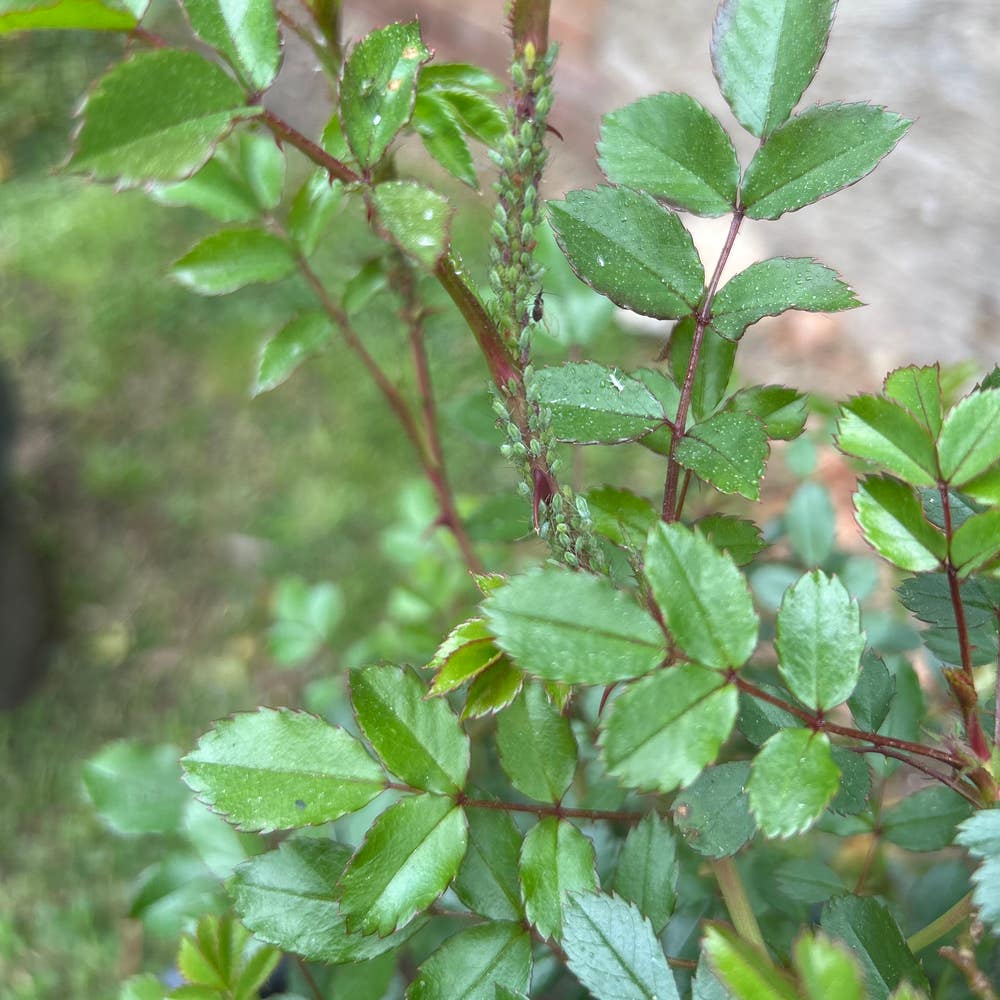
Aphids are notorious for causing curling leaves, sticky residue, and visible insects on stems. These pests suck sap from the plant, weakening it and contributing to yellowing.
Spider Mites
Spider mites thrive in dry conditions, leaving fine webbing on leaves and stippled yellowing as they feed. Their presence can lead to significant damage if not addressed promptly.
🍄 Fungal Diseases
Powdery Mildew
Powdery mildew appears as white powdery spots on leaves, with yellowing following as the disease progresses. This fungal issue affects photosynthesis and overall plant health, making it crucial to manage.
Root Rot
Root rot is characterized by yellowing leaves, wilting, and mushy roots. It typically results from overwatering and poor soil drainage, ultimately threatening the plant's survival.
Understanding these causes is essential for diagnosing and treating yellow leaves in ground cover roses. By identifying the underlying issues, you can take effective action to restore your plants to health.
Diagnosing Yellow Leaves
👀 Visual Symptoms to Look For
When ground cover roses show yellow leaves, start by observing the leaf color changes. Look for specific patterns, such as yellowing at the edges or between veins, which can indicate different issues.
Next, check the leaf texture. Signs of wilting, spots, or a powdery appearance can provide clues about underlying problems, whether they stem from pests, diseases, or environmental stress.
🧪 Soil Testing for Nutrient Levels
Understanding your soil's health is crucial for diagnosing yellow leaves. Testing soil pH and nutrient content helps identify deficiencies that may be affecting your roses.
Consider using recommended soil test kits available at garden centers. These kits typically provide clear instructions, making it easy to assess your soil's needs and adjust care accordingly.
🐛 Identifying Pests and Diseases
Inspecting your plants for pests is essential in diagnosing yellow leaves. Look closely for visible insects, such as aphids or spider mites, which can cause significant damage.
Additionally, recognize signs of common diseases affecting ground cover roses. Symptoms like powdery mildew or root rot can lead to yellowing leaves, so early detection is key to effective management.
With a solid understanding of these diagnostic steps, you can take informed actions to restore your roses' health. Next, let’s explore treatment options to address these issues effectively.
Treatment Options
🌱 Nutrient Amendments
Fertilizers for Roses
To keep your ground cover roses thriving, consider using fertilizers with an NPK ratio of 10-10-10 or 5-10-5. Apply these fertilizers in early spring and again in mid-summer for optimal growth.
Soil Amendments
Incorporating organic options like compost or well-rotted manure can significantly enhance soil structure and nutrient content. These amendments not only nourish your plants but also improve moisture retention and drainage.
💧 Watering Adjustments
Proper Watering Techniques
Watering frequency should be adjusted based on weather conditions and soil moisture. Aim for deep watering once or twice a week, rather than frequent shallow watering, to encourage robust root development.
Improving Soil Drainage
To prevent waterlogging, consider adding organic matter to your soil or using raised beds. These methods enhance drainage and create a healthier environment for your roses.
🐞 Pest Control Methods
Organic Pest Control Options
For a natural approach, use neem oil or insecticidal soap to combat pests like aphids. Apply these treatments in the early morning or late evening for the best results.
Chemical Treatments
In cases of severe infestations, recommended pesticides include those containing pyrethrin or imidacloprid. Always follow safety precautions and application guidelines to protect both your plants and the environment.
🍄 Fungal Disease Management
Fungicides
Choose fungicides specifically formulated for roses, such as those containing chlorothalonil or myclobutanil. Timing is crucial; apply them at the first sign of disease for effective control.
Cultural Practices to Prevent Disease
Maintaining good air circulation and proper spacing between plants is essential. Regularly prune and remove any infected plant material to minimize the risk of fungal diseases.
By implementing these treatment options, you can effectively address yellowing leaves and promote the health of your ground cover roses. Next, let's explore preventive measures to keep your roses thriving year-round.
Preventive Measures
🌱 Regular Soil Testing
Testing your soil regularly is crucial for maintaining healthy ground cover roses. Aim to test at least once a year, focusing on pH levels and nutrient content to tailor your care effectively.
💧 Proper Watering Schedule
Establishing a consistent watering routine helps your roses thrive. Adjust your schedule based on seasonal changes and rainfall to ensure your plants receive the right amount of moisture.
🌼 Choosing Disease-Resistant Varieties
Selecting disease-resistant varieties can save you time and effort in the long run. Look for options that are well-suited to your local conditions for a low-maintenance garden.
🍂 Seasonal Care Tips
Spring Maintenance
In spring, focus on fertilization and pruning to encourage optimal growth. This is the perfect time to give your roses the nutrients they need to flourish.
Fall Preparation
As the seasons change, prepare your roses for winter by mulching and adjusting your watering routine. These steps will help protect your plants from harsh conditions and ensure they emerge healthy in spring.
By implementing these preventive measures, you can enjoy vibrant, healthy ground cover roses year-round. Next, let’s explore how to monitor plant health effectively.
Monitoring Plant Health
🕵️ Regular Inspections for Pests and Diseases
Regular inspections are crucial for maintaining the health of your ground cover roses. Aim to check your plants at least once a week, looking closely for any signs of pests or diseases.
Use a magnifying glass to spot tiny insects like aphids or spider mites. Early detection can save your plants from severe damage and help you take action before issues escalate.
🌱 Signs of Recovery After Treatment
After implementing treatment options, watch for signs of recovery. New growth and returning vibrant colors are positive indicators that your roses are bouncing back.
If you notice leaves regaining their green hue and fresh buds forming, your efforts are paying off. Celebrate these small victories as they signify your plants are on the mend.
📅 Long-Term Care Strategies
Consistency is key in long-term care for your roses. Establish a routine that includes regular watering, fertilizing, and inspections to keep your plants thriving.
Consider developing a seasonal care calendar to track tasks and ensure you’re meeting your roses' needs throughout the year. This proactive approach will help you maintain healthy plants and enjoy their beauty for seasons to come.
With these monitoring strategies in place, you'll be well-equipped to nurture your ground cover roses effectively. Next, let’s explore preventive measures to keep your plants healthy year-round.
⚠️ Safety First
This content is for general information and may contain errors, omissions, or outdated details. It is not medical, veterinary advice, or an endorsement of therapeutic claims.
Always consult a qualified healthcare professional before using any plant as food, medicine, or supplement.
Never eat any plant (or feed one to pets) without confirming its identity with at least two trusted sources.
If you suspect poisoning, call Poison Control (800) 222-1222, the Pet Poison Helpline (800) 213-6680, or your local emergency service immediately.
Spotted an error? Please report it here.
Keep your ground cover roses vibrant and healthy 🌹 by using Greg's tailored reminders and soil testing features to tackle nutrient needs and pest issues effectively!