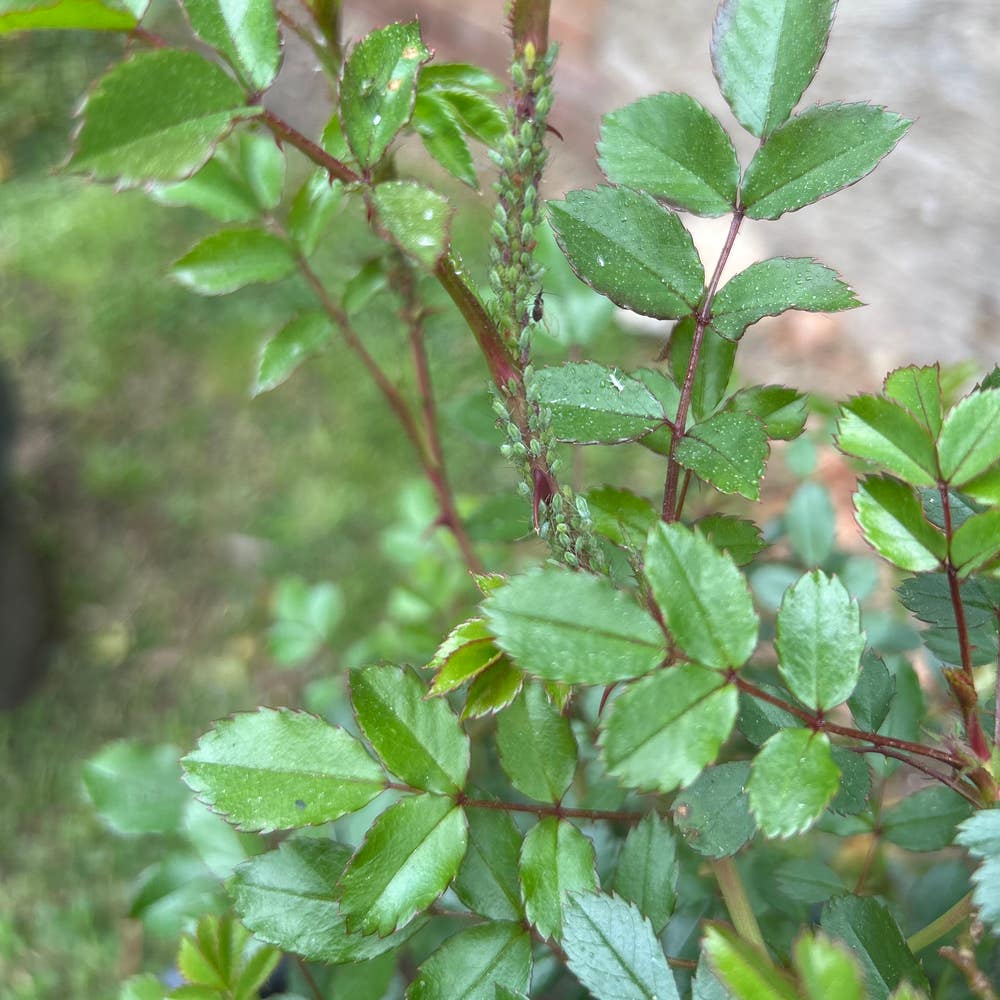
Best Temperature Conditions for Ground cover roses 🌹
Rosa spp.
By the Greg Editorial Team
Aug 10, 2024•2 min read
This article was created with the help of AI so we can cover more plants for you. May contain errors. See one? Report it here.
- 🌡️ Ideal temperatures for ground cover roses are 65°F to 75°F (18°C to 24°C).
- ❄️ Nighttime temps should be 50°F to 60°F (10°C to 15°C) for optimal growth.
- 🌹 Monitor for signs of stress like wilting or discoloration to ensure healthy blooms.
Temperature Requirements for Ground Cover Roses
🌡️ Ideal Temperature Range for Growth
Ground cover roses thrive best in optimal daytime temperatures ranging from 65°F to 75°F (18°C to 24°C). At night, they prefer cooler conditions between 50°F and 60°F (10°C to 15°C).
Maintaining these consistent temperatures is crucial for healthy growth and vibrant blooming. Fluctuations can lead to stress, impacting the plant's overall health.
⚠️ Signs of Temperature Stress
Wilting
Wilting is a common sign of temperature stress, characterized by drooping leaves and a noticeable lack of turgor pressure. This often occurs during peak heat or sudden cold snaps.
Discoloration
Discoloration manifests as yellowing leaves or browning edges. These symptoms can indicate potential nutrient deficiencies, often exacerbated by temperature extremes.
🔥 Causes of Temperature Stress
Extreme Heat
Extreme heat is defined as prolonged temperatures above 85°F (29°C). This can lead to leaf scorch, reduced flowering, and stunted growth, making it essential to monitor conditions closely.
Frost
Frost occurs when temperatures drop below 32°F (0°C). This can cause frost damage to buds and leaves, potentially leading to dieback if not addressed promptly.
🌱 Recovery Strategies for Stressed Plants
To help stressed plants recover, consider these immediate actions:
- Watering Techniques: Implement deep watering to alleviate heat stress. This is an easy yet effective method.
- Pruning: Trim damaged foliage to encourage new growth. This requires moderate effort but can significantly benefit the plant.
- Mulching: Apply mulch to regulate soil temperature and retain moisture. This is another easy strategy that pays off.
💧 Brief Mention of Humidity
Humidity plays a vital role in plant transpiration and interacts closely with temperature stress. High humidity can help mitigate some effects of heat, while low humidity can exacerbate stress during hot spells.
Understanding these temperature requirements and stress signs will empower you to nurture your ground cover roses effectively. With the right care, you can enjoy their beauty all season long.
⚠️ Safety First
This content is for general information and may contain errors, omissions, or outdated details. It is not medical, veterinary advice, or an endorsement of therapeutic claims.
Always consult a qualified healthcare professional before using any plant as food, medicine, or supplement.
Never eat any plant (or feed one to pets) without confirming its identity with at least two trusted sources.
If you suspect poisoning, call Poison Control (800) 222-1222, the Pet Poison Helpline (800) 213-6680, or your local emergency service immediately.
Spotted an error? Please report it here.
Keep your ground cover roses thriving in ideal temperatures 🌡️ with Greg's tailored care reminders and tips to ensure they bloom beautifully all season long!