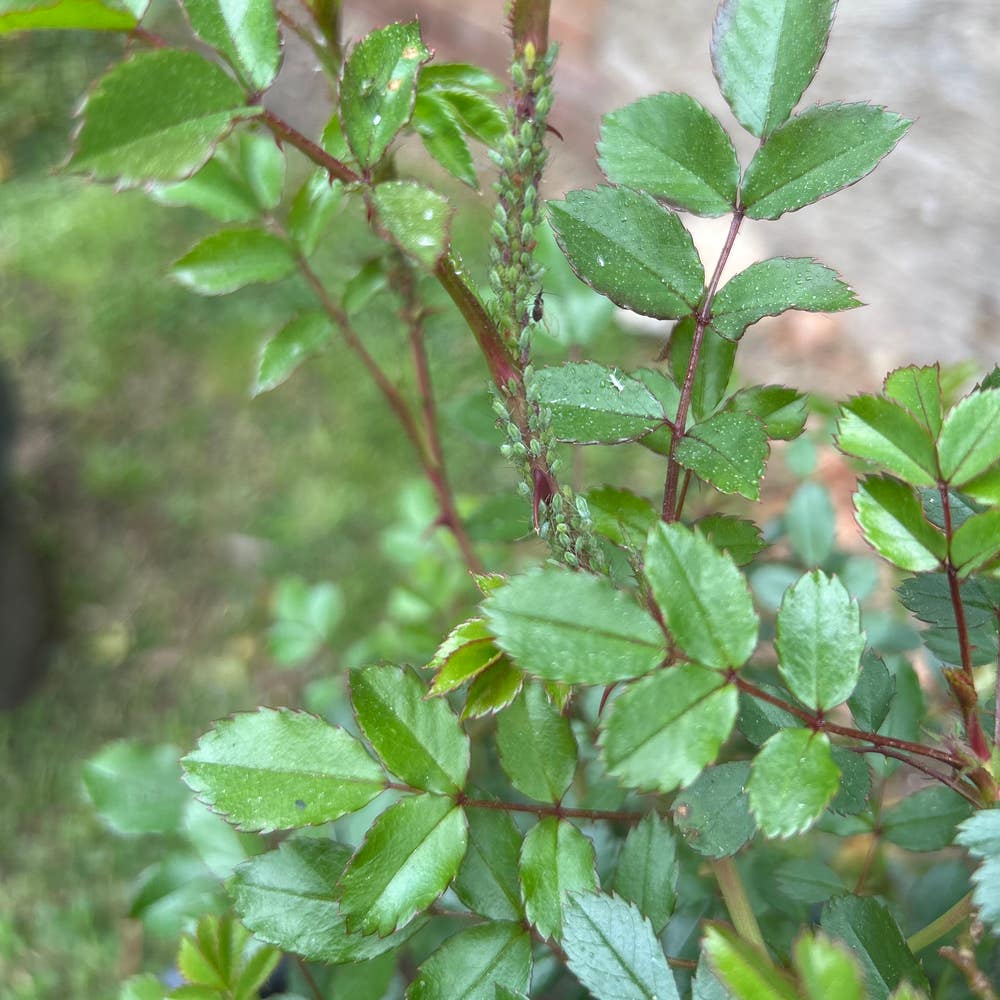
Key Milestones in Ground Cover Roses Growth 🌹
Rosa spp.
By the Greg Editorial Team
Aug 10, 2024•5 min read
This article was created with the help of AI so we can cover more plants for you. May contain errors. See one? Report it here.
- 🌱 Ground cover roses germinate in 7-14 days with proper temperature and moisture.
- ☀️ Full sun for 6-8 hours daily is essential during the vegetative growth stage.
- 🌼 Blooming starts 8-12 weeks after planting, enhancing your landscape's beauty.
Germination Stage
🌱 Duration of Germination
The germination period for ground cover roses typically spans 7 to 14 days. This timeframe can vary based on several factors, including temperature, moisture levels, and the quality of the seeds.
🌡️ Conditions for Successful Germination
To ensure successful germination, aim for an optimal temperature range of 65°F to 75°F (18°C to 24°C).
Soil Requirements
Use well-draining, nutrient-rich soil to provide the necessary foundation for growth. This type of soil helps prevent waterlogging, which can hinder germination.
Light Exposure
Expose the seeds to indirect sunlight. Direct sunlight can cause overheating, which is detrimental to the delicate germination process.
By creating the right conditions, you set the stage for healthy growth. In the next section, we’ll explore the exciting characteristics of seedlings as they emerge from the soil.
Seedling Stage
🌱 Characteristics of Seedlings
During the seedling stage, ground cover roses exhibit small, tender leaves that showcase a vibrant green hue. This early growth is crucial as it signals the establishment of a strong root system, essential for nutrient uptake.
⏳ Duration of the Seedling Stage
Typically, the seedling stage lasts about 4 to 6 weeks. You'll know it's time to transplant when the seedlings develop 2 to 3 true leaves, indicating they're ready for their next adventure in the garden.
This stage is vital for setting the foundation for healthy growth. As the seedlings mature, they prepare to transition into the vegetative growth stage, where the real magic begins.
Vegetative Growth Stage
🌱 Description of Vegetative Growth
During the vegetative growth stage, ground cover roses experience a burst of activity. Stems and foliage expand rapidly, creating a lush, vibrant display.
As the plant grows, leaves increase in size and density, optimizing photosynthesis. This is the stage where the plant truly begins to establish itself, setting the foundation for future blooms.
⏳ Duration and Conditions for Optimal Growth
This stage typically lasts between 6 to 12 weeks, influenced by environmental conditions. The right balance of sunlight, moisture, and nutrients is crucial for robust growth.
For optimal results, ensure your roses receive full sun for 6 to 8 hours daily. Consistent moisture and balanced fertilization will help them thrive, leading to a healthier, more resilient plant.
As your ground cover roses flourish in this stage, they prepare for the exciting transition to flowering. Understanding these growth dynamics will set you up for success in the next phase of their life cycle.
Flowering Phase
Timing of Flowering 🌸
Ground cover roses typically begin to bloom 8-12 weeks after planting. Many varieties are known for their continuous blooming, providing vibrant colors throughout the growing season.
Characteristics of Flowers 🌼
The flowers of ground cover roses come in various types, including single and double blooms. Their color range is extensive, enhancing the beauty of any landscape and attracting attention.
Pollination and Its Role 🐝
Most ground cover roses rely on insect pollination, although some varieties can self-pollinate. Pollination is crucial, as it not only aids in seed production but also promotes genetic diversity within the species.
This flowering phase is a vital part of the growth cycle, setting the stage for the next stages of growth and maturation. Understanding these aspects can help you cultivate a thriving garden filled with stunning blooms.
Growth Rate and Maturation
🌱 How Long Until Fully Grown?
Ground cover roses typically take 1-2 years to reach their full size and flowering potential. This timeframe can vary based on the specific variety, environmental conditions, and the care practices you implement.
⏳ Factors Affecting Growth Rate
Several key factors influence how quickly your roses grow:
- Soil Quality: Nutrient-rich soil is essential for promoting faster growth.
- Water Availability: Consistent moisture is crucial; too little water can stunt development.
- Sunlight Exposure: Adequate sunlight boosts photosynthesis, enhancing overall growth.
🕰️ Average Lifespan
The typical lifespan of ground cover roses ranges from 5-10 years, depending on the variety and the care they receive. Factors like disease resistance and environmental conditions play a significant role in determining how long your roses will thrive.
Understanding these aspects of growth and maturation can help you cultivate a vibrant and flourishing garden. With the right conditions and care, your ground cover roses can become a stunning focal point in your landscape.
Notable Changes Throughout Life Cycle
🌿 Changes in Foliage and Structure
As ground cover roses begin their journey, they sprout tender leaves that are soft and delicate. Over time, these leaves toughen up, becoming more resilient to environmental stresses.
The stems also undergo significant transformation. Initially slender, they gradually thicken and develop a woody structure, providing the plant with stability and strength.
🌼 Transition from Vegetative to Reproductive Stages
A key indicator of maturity is the formation of flower buds. This budding signifies the plant's readiness to transition from growth to reproduction.
This shift is crucial as it marks the beginning of the reproductive cycle, allowing the plant to produce beautiful blooms and contribute to its genetic diversity.
🍂 Seasonal Changes and Their Impact on Growth
Ground cover roses exhibit distinct growth patterns with the changing seasons. They thrive in the active growth phase during spring and summer, while entering dormancy in the cooler fall and winter months.
These seasonal shifts influence not just growth rates but also flowering. Variations in temperature and light can significantly affect when and how profusely the roses bloom, making it essential to understand these cycles for optimal care.
As we explore these notable changes, it's clear that each stage of growth is interconnected, setting the stage for the next phase in the life of ground cover roses. Next, we’ll delve into the growth rate and maturation of these resilient plants.
⚠️ Safety First
This content is for general information and may contain errors, omissions, or outdated details. It is not medical, veterinary advice, or an endorsement of therapeutic claims.
Always consult a qualified healthcare professional before using any plant as food, medicine, or supplement.
Never eat any plant (or feed one to pets) without confirming its identity with at least two trusted sources.
If you suspect poisoning, call Poison Control (800) 222-1222, the Pet Poison Helpline (800) 213-6680, or your local emergency service immediately.
Spotted an error? Please report it here.
Unlock the secret to thriving ground cover roses 🌹 with Greg's tailored care tips and reminders, ensuring your blooms flourish beautifully from germination to full bloom!