🌹 Top 10 Signs Your Ground cover roses Has Flower Problems
Rosa spp.
By the Greg Editorial Team
Aug 10, 2024•4 min read
This article was created with the help of AI so we can cover more plants for you. May contain errors. See one? Report it here.
- 🌞 Ground cover roses need 6-8 hours of sunlight daily for optimal blooming.
- 🌱 Nutritional deficiencies and soil pH imbalances can hinder flower development.
- ✂️ Proper pruning timing and techniques are crucial to prevent premature flower drop.
Signs of Flower Problems
🌸 Failure to Bloom
Failure to bloom is when your ground cover roses don’t produce flowers during their expected bloom cycle. You might notice healthy foliage, but if there are no buds or flowers, it can be disheartening and impact your garden's overall aesthetic.
🌼 Premature Flower Drop
Premature flower drop occurs when flowers fall off before they reach full maturity. Look for signs like buds dropping without opening or flowers wilting quickly; this can significantly reduce the duration of blooming and the overall flower count.
🌺 Abnormal Flower Development
Abnormal flower development refers to flowers that are misshapen, discolored, or stunted. If your roses have flowers that appear smaller than usual or display unusual colors, it could indicate underlying health issues affecting the plant.
Understanding these signs is crucial for maintaining the beauty of your ground cover roses. By identifying these issues early, you can take steps to address them and ensure your roses thrive. Next, let’s explore the causes behind these flower problems.
Causes of Flower Problems
🌞 Light Conditions
Insufficient Sunlight
Ground cover roses thrive in full sun, requiring 6 to 8 hours of sunlight daily. Without this essential light, they struggle to gather the energy needed for blooming, resulting in disappointing flower displays.
Excessive Sunlight
On the flip side, too much sun can be detrimental. Overexposure can lead to sunburned leaves and stressed plants, causing flower drop and hindering overall health.
🍽️ Nutritional Deficiencies
Lack of Essential Nutrients
Key nutrients like nitrogen, phosphorus, and potassium are vital for healthy blooms. When these nutrients are lacking, you may notice yellowing leaves, poor growth, and a significant reduction in flowering.
Soil pH Imbalance
The ideal soil pH for ground cover roses ranges from 6.0 to 6.8. If the pH strays outside this range, it can lead to nutrient lockout, severely impacting flower development.
✂️ Pruning Practices
Timing of Pruning
Timing is crucial when it comes to pruning. The best time to prune ground cover roses is late winter to early spring, just before new growth begins. Late pruning can inadvertently remove flower buds, leading to a disappointing bloom cycle.
Incorrect Pruning Techniques
Improper pruning techniques can also cause issues. Common mistakes like over-pruning or making incorrect cuts can damage the plant, ultimately affecting its flowering potential.
Understanding these causes can help you take proactive steps to ensure your ground cover roses flourish. Next, let’s explore the pests and diseases that can impact flowering.
Pest and Disease Impact on Flowering
🐞 Common Pests Affecting Flowering
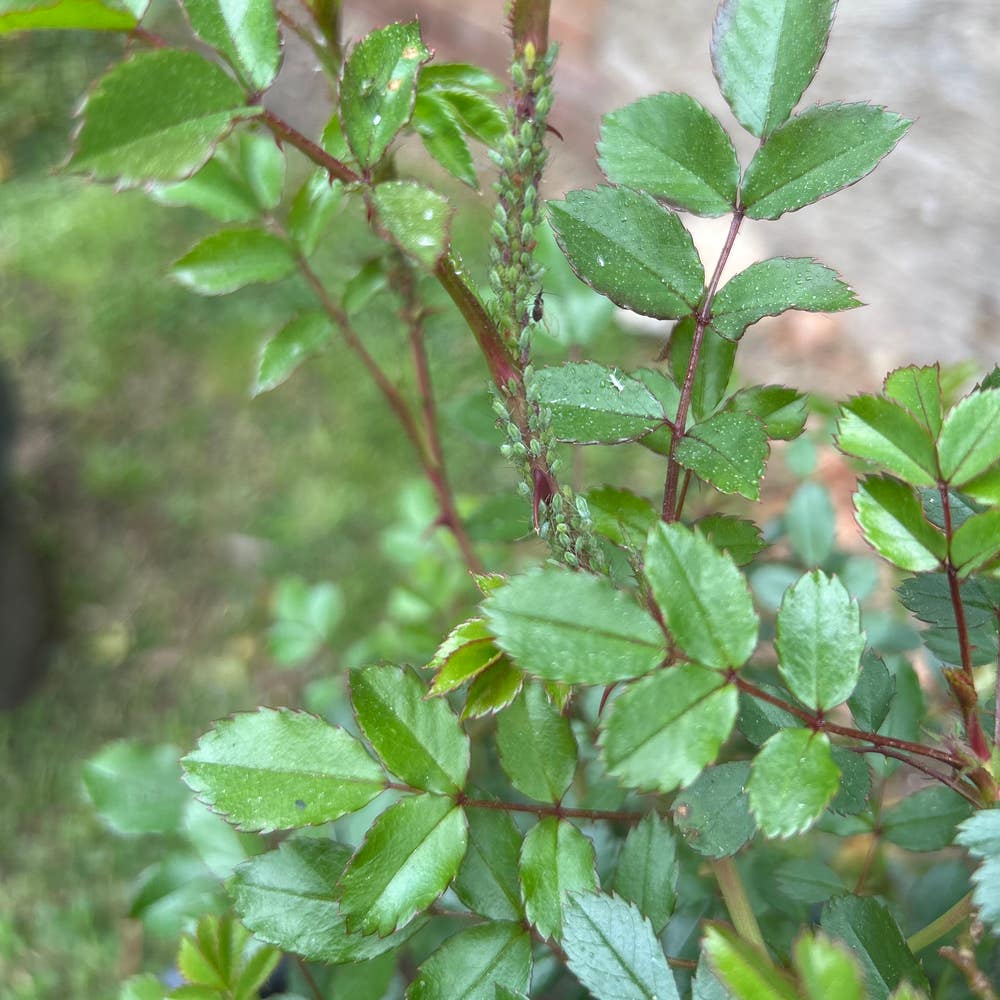
Aphids
Aphids are small, sap-sucking insects that can significantly weaken your ground cover roses. Their feeding habits can lead to bud drop and a noticeable decline in flower quality.
Spider Mites
Spider mites are tiny pests that thrive in dry conditions, often going unnoticed until damage appears. They cause stippling on leaves, which can result in premature flower drop and a less vibrant display.
🦠 Diseases That Cause Flower Problems
Powdery Mildew
Powdery mildew presents as white, powdery spots on leaves, signaling a fungal infection. This disease can weaken plants and severely affect flower development, leading to fewer blooms.
Black Spot
Black spot manifests as dark spots on leaves, eventually causing yellowing and leaf drop. This disease reduces plant vigor and can significantly hinder flowering capacity, leaving your roses looking less than their best.
Understanding these pests and diseases is crucial for maintaining the health of your ground cover roses. By addressing these issues promptly, you can ensure a more vibrant and flourishing bloom cycle.
Solutions to Flower Problems
🌞 Improving Light Conditions
Adjusting Plant Location
If your ground cover roses are struggling to bloom, consider relocating them to a sunnier spot. This simple strategy can significantly increase their exposure to sunlight, promoting healthier blooms.
Using Reflective Surfaces
Another effective method is to place reflective materials nearby. This enhances light availability, increasing light intensity and aiding flower development.
🌱 Nutrient Management
Fertilization Tips
To boost flowering, use balanced NPK fertilizers. Apply them during the growing season for optimal results, ensuring your roses get the nutrients they need.
Soil Testing and Amendments
Regular soil testing is crucial for checking pH and nutrient levels. Based on the results, amend your soil to correct any deficiencies, setting the stage for vibrant blooms.
✂️ Pruning for Better Blooms
Best Practices for Pruning
When pruning, always use clean, sharp tools and make cuts at an angle. This encourages healthy growth and maximizes your roses' flowering potential.
Timing for Optimal Flowering
Timing is everything in pruning. Make sure to prune at the right time to avoid removing flower buds, ensuring a robust bloom cycle for your roses.
By addressing light conditions, managing nutrients, and practicing effective pruning, you can significantly improve the flowering of your ground cover roses. Next, let’s explore the impact of pests and diseases on flowering.
⚠️ Safety First
This content is for general information and may contain errors, omissions, or outdated details. It is not medical, veterinary advice, or an endorsement of therapeutic claims.
Always consult a qualified healthcare professional before using any plant as food, medicine, or supplement.
Never eat any plant (or feed one to pets) without confirming its identity with at least two trusted sources.
If you suspect poisoning, call Poison Control (800) 222-1222, the Pet Poison Helpline (800) 213-6680, or your local emergency service immediately.
Spotted an error? Please report it here.
Boost your ground cover roses' blooming potential 🌼 by using Greg's tailored care reminders and soil testing to ensure they get the sunlight and nutrients they crave!