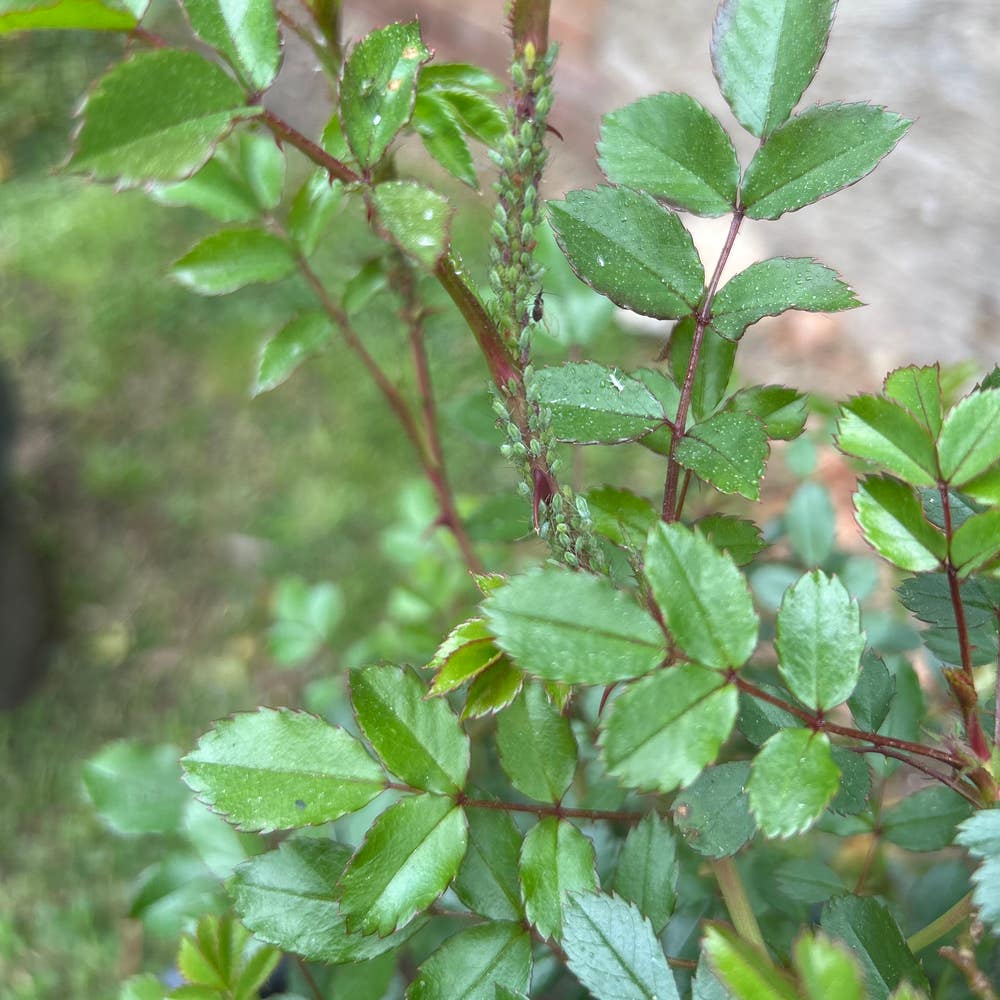
Best Tips for Dealing with Black Spots on Ground cover roses 🌹
Rosa spp.
By the Greg Editorial Team
Aug 10, 2024•4 min read
This article was created with the help of AI so we can cover more plants for you. May contain errors. See one? Report it here.
- 🌱 Identify black spots early to prevent spread and minimize damage to roses.
- 🧴 Neem oil and baking soda are effective organic treatments for black spots.
- ✂️ Regular pruning and proper spacing enhance airflow, reducing disease risk in roses.
Diagnosing Black Spots
🌿 Differentiating Between Leaf Issues
Identifying black spots on ground cover roses can be tricky. It's essential to distinguish them from other diseases like powdery mildew and leaf spot diseases.
Comparison with Other Diseases
Powdery mildew typically presents as a white, dusty coating, while leaf spot diseases show irregular, often dark spots. Black spots are usually round and can vary in size, often appearing on older leaves first.
Visual Cues
Pay attention to the color, shape, and location of the spots. Black spots are usually dark brown to black, round, and may have a yellow halo. In contrast, other diseases may have different colors and shapes, helping you pinpoint the issue.
🔍 Importance of Early Diagnosis
Timely intervention is crucial for managing black spots effectively. Early diagnosis can prevent the spread of the disease and minimize damage to your roses.
Benefits of Timely Intervention
Addressing the issue early can save your plants from severe damage. Quick action helps maintain the overall health of your garden.
Regular Monitoring
Make it a habit to check your roses regularly for early signs of infection. Catching black spots early allows for more effective treatment options and a healthier garden overall.
By staying vigilant and informed, you can keep your ground cover roses thriving. Next, we’ll explore treatment options to tackle those pesky black spots head-on.
Treating Black Spots
🌱 Organic Treatment Options
Neem Oil
Neem oil is a powerful organic solution for black spots. To apply, mix 2 tablespoons of neem oil with a gallon of water and spray it on the affected areas every 7 to 14 days.
Baking Soda Solution
A simple baking soda solution can also be effective. Combine 1 tablespoon of baking soda with 1 gallon of water and a few drops of dish soap. This mixture helps to combat fungal growth and should be applied every two weeks.
Beneficial Microorganisms
Incorporating mycorrhizal fungi can enhance plant health and resilience. These beneficial microorganisms improve nutrient uptake and can be applied to the soil around the roses to promote a healthier root system.
🧪 Chemical Treatment Options
Fungicides
When organic methods aren't enough, fungicides can be a reliable option. Look for products containing chlorothalonil or propiconazole, and follow the manufacturer's application guidelines for best results.
Timing of Treatments
Timing is crucial for chemical treatments. Apply fungicides in the early morning or late afternoon to avoid burning the leaves and ensure maximum effectiveness.
📋 Step-by-Step Guide for Applying Treatments
- Identify the severity of the infection: Check how widespread the black spots are.
- Choose the appropriate treatment: Decide between organic or chemical options based on severity.
- Prepare the treatment solution: Follow the recipe for your chosen method.
- Apply evenly to affected areas: Ensure coverage on both sides of the leaves for best results.
- Follow up with regular monitoring: Keep an eye on the plants and reapply as needed.
By following these treatment options and guidelines, you can effectively manage black spots on your ground cover roses. This proactive approach not only helps in treating existing issues but also sets the stage for healthier plants moving forward.
Preventing Black Spots
🌹 Best Practices for Rose Care
Regular pruning is essential for maintaining healthy ground cover roses. By trimming away dead or overcrowded branches, you improve airflow and reduce humidity, which are key factors in preventing black spots.
Mulching is another effective strategy. Using organic mulch not only helps retain moisture but also suppresses weeds, creating a healthier environment for your roses.
🌬️ Importance of Air Circulation and Spacing
Proper spacing is crucial for enhancing airflow around your plants. Aim for at least 18 to 24 inches between each rose to allow for adequate circulation, which can significantly reduce the risk of disease.
Implementing smart pruning strategies also helps maintain an open canopy. This allows sunlight to penetrate and air to flow freely, further minimizing the chances of black spots developing.
🌱 Soil Health and Its Impact on Disease Prevention
Soil testing is a vital step in ensuring your roses thrive. Regularly check the pH and nutrient levels to identify any deficiencies that could make your plants more susceptible to diseases.
Amending your soil is equally important. Adding organic matter improves drainage and overall soil health, creating a robust foundation for your roses to flourish and resist diseases like black spots.
By following these preventive measures, you can cultivate a vibrant rose garden that stands strong against black spots and other challenges. Next, let’s explore effective treatment options if you do encounter these pesky spots.
⚠️ Safety First
This content is for general information and may contain errors, omissions, or outdated details. It is not medical, veterinary advice, or an endorsement of therapeutic claims.
Always consult a qualified healthcare professional before using any plant as food, medicine, or supplement.
Never eat any plant (or feed one to pets) without confirming its identity with at least two trusted sources.
If you suspect poisoning, call Poison Control (800) 222-1222, the Pet Poison Helpline (800) 213-6680, or your local emergency service immediately.
Spotted an error? Please report it here.
Keep your ground cover roses thriving 🌱 by using Greg for timely reminders and tailored care tips that help you tackle black spots effectively!