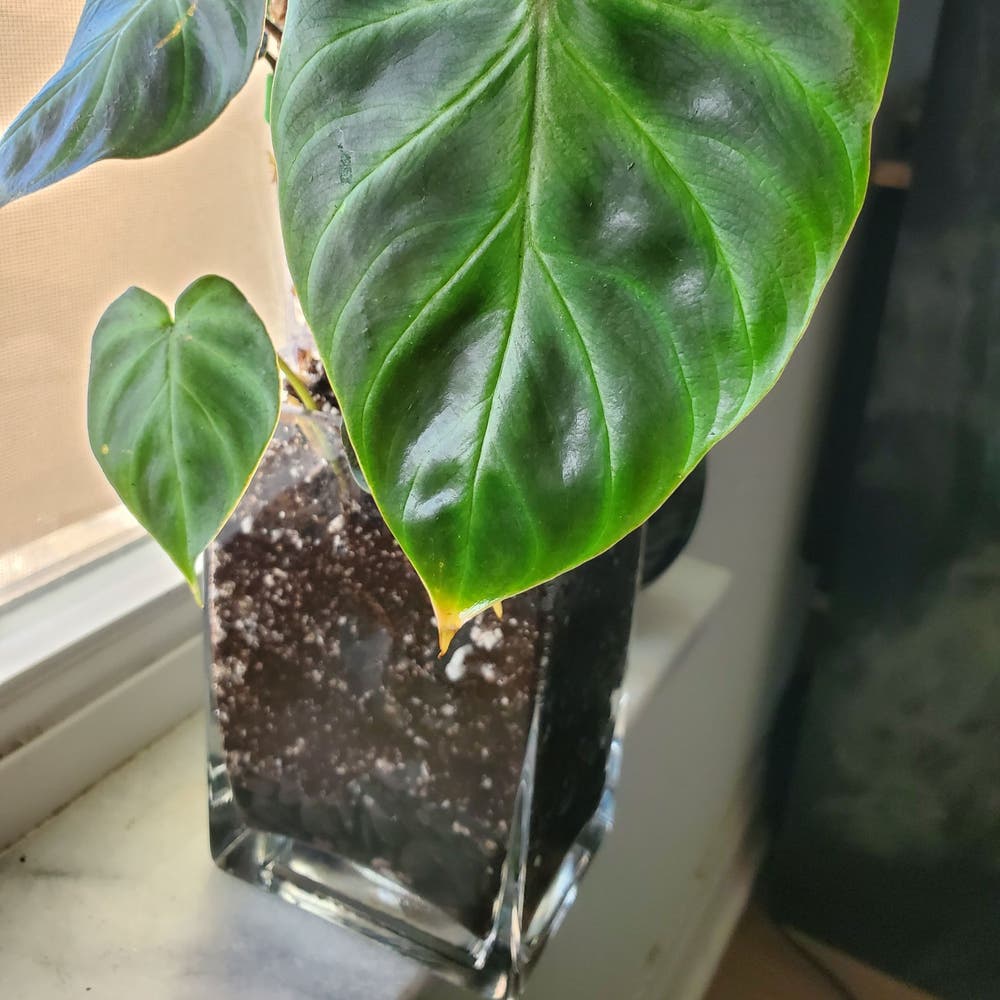
How to Get a Ecuador Philodendron to Bloom
Philodendron verrucosum
By the Greg Editorial Team
Jun 18, 2024•6 min read
This article was created with the help of AI so we can cover more plants for you. May contain errors. See one? Report it here.
- Bright, indirect light encourages Ecuador Philodendron blooms.
- Maintain 65-80°F and high humidity for optimal flowering conditions.
- Prune and fertilize strategically to focus energy on blooming.
Light: The Spark for Philodendron Blooms
💡 The Right Amount of Light
Bright, indirect light is the sweet spot for your Ecuador Philodendron's blooming ambitions. Too much direct sunlight is a recipe for crispy leaves, while too little leaves your plant in the dark, quite literally.
Position your green companion a few feet away from an east or west-facing window, or behind a sheer curtain to filter harsh rays. It's like giving your plant a pair of sunglasses—protective yet stylish.
💡 Quality of Light
The Ecuador Philodendron is a fan of the dappled light it would receive under the canopies of its native habitat. To mimic these conditions indoors, consider using a grow light, especially during the darker months.
Artificial lighting isn't just for overcast days; it's a consistent light source that can supplement the ebb and flow of natural light in your home. Just remember, like a good night's sleep, your plant needs its rest too—so keep the artificial day within reasonable hours.

Temperature and Humidity: Creating a Tropical Haven
🌡️ Warmth is Key
To nudge your Ecuador Philodendron into blooming, think tropical getaway temperatures. 65-80°F (18-27°C) is the sweet spot; anything cooler and your plant might as well hibernate. To keep the warmth consistent, avoid placing your plant near drafty windows or doors, and consider a small space heater if your abode runs cool.
💦 Humidity and Blooms
Humidity is like your plant's best friend; it thrives when levels hit 60% or higher. If your home's air is as dry as a stand-up comedian's humor, it's time to bring in a humidifier or set up a pebble tray. Just make sure to keep the air moving with a fan to ward off any fungal party crashers. Remember, your Philodendron's not after a swampy mess, just that dewy rainforest vibe.

Pruning for Performance: Energy Allocation to Flowers
🌱 Strategic Pruning
Pruning isn't just a snip here and there; it's a deliberate tactic to coax your Ecuador Philodendron into the limelight of blooming. By strategically removing excess foliage, you're essentially giving your plant a clear directive: channel energy into those coveted flowers. Timing is crucial—prune when your plant is bursting with life, usually at the onset of its growth phase.
🌷 When and How to Prune
Early spring is your cue to grab the shears. Look for new leaves and a general surge in plant vigor. Make your cuts above a leaf node to encourage the plant to branch out, which can lead to more flowers. But remember, it's a fine line—prune with a gentle hand to avoid stressing your green companion.
🌼 Maintenance for Flowering
Routine care is the unsung hero of blooming. Consistency is key—watering, light exposure, and the occasional pep talk (yes, plants love a good chat). Keep an eye out for yellowing leaves or spent flowers and show them the exit. This isn't just cleanup; it's redirecting your plant's energy back to where it matters most—those elusive blooms.
🍂 Removing Obstacles
Your Philodendron doesn't need the extra baggage of dead or dying foliage. Think of it as decluttering for your plant's sake. By removing these obstacles, you're ensuring that every ounce of energy is spent on the flower production. It's not just about aesthetics; it's about giving your plant the best shot at putting on a floral showstopper.

Feeding Your Philodendron: Fertilization Focus
💡 Choosing the Right Fertilizer
Phosphorus is the Philodendron's pal when it comes to blooming. A balanced fertilizer, with a hearty dose of this element, is key. Look for a 20-20-20 mix, or similar, to ensure your plant's getting its fill of nitrogen and potassium too. These nutrients are the trifecta of plant health and bloom encouragement.
Recommended fertilizers include worm compost, seaweed extracts, or a quality houseplant blend. Remember, it's not just about the nutrients; it's about the balance.
⏰ Timing and Dosage
Timing is everything. Fertilize during the spring and summer, when your Philodendron's growth is in overdrive. This is when it's ready to take in all the goodness you can give.
Once a month is a good rhythm—think of it as a monthly treat. But hold your horses in the winter; that's the plant's downtime. Overfeeding then is like offering a sleeping person a coffee—it's just not going to be appreciated.
Dilute your chosen fertilizer according to package instructions—too strong and you risk fertilizer burn, too weak and it's like serving a salad without dressing. And always apply to moist soil to avoid root shock.
Keep an eye out for yellow leaves or stunted growth, which could signal nutrient overload or deficiency. Adjust your feeding strategy accordingly, because, like a good detective, a plant parent always looks for clues.
When Blooms Don't Happen: Troubleshooting Tips
🌞 Environmental Check
Light and water are like the yin and yang of plant care. Too much sun and your Ecuador Philodendron's leaves might crisp up like overdone toast. Too little? It's like a perpetual night for your plant—no energy for those coveted blooms. Watering is another tightrope walk; keep the soil moist but not soggy to avoid root rot, which is a notorious bloom inhibitor.
Temperature consistency is non-negotiable. Your plant isn't a fan of surprises. Keep it away from drafts and sudden temperature changes to prevent a bloom boycott. Aim for that sweet spot between "I'm in the tropics!" and "Did I move to the Arctic?"
🏥 Health Check
Nutrient balance is key. Your plant needs a Goldilocks level of feeding—not too much, not too little. Overzealous fertilization can lead to nutrient burn, while a lack of food leaves your plant hangry and bloomless. Stick to a balanced fertilizer and follow the label instructions like it's a recipe for success.
Pests and diseases are the party crashers of the plant world. Regularly inspect your Ecuador Philodendron for uninvited guests like spider mites or signs of fungal foes. If you spot trouble, don't hesitate to show them the door with insecticidal soap or a suitable fungicide.
Pruning can be a game-changer. It's not just about aesthetics; it's about energy management. Prune your plant to remove dead or yellowing leaves, so it can focus its efforts on blooming, not on life support for struggling foliage.
Lastly, remember that patience is a virtue. Sometimes, despite doing everything by the book, your plant may just need more time. Keep providing consistent care, and with a bit of luck, your Ecuador Philodendron will reward you with a bloom that's worth the wait.
⚠️ Safety First
This content is for general information and may contain errors, omissions, or outdated details. It is not medical, veterinary advice, or an endorsement of therapeutic claims.
Always consult a qualified healthcare professional before using any plant as food, medicine, or supplement.
Never eat any plant (or feed one to pets) without confirming its identity with at least two trusted sources.
If you suspect poisoning, call Poison Control (800) 222-1222, the Pet Poison Helpline (800) 213-6680, or your local emergency service immediately.
Spotted an error? Please report it here.
Nurture your Ecuador Philodendron to stunning blooms 🌺 with Greg's custom care plan, ensuring the right light, temperature, and humidity for your green companion.