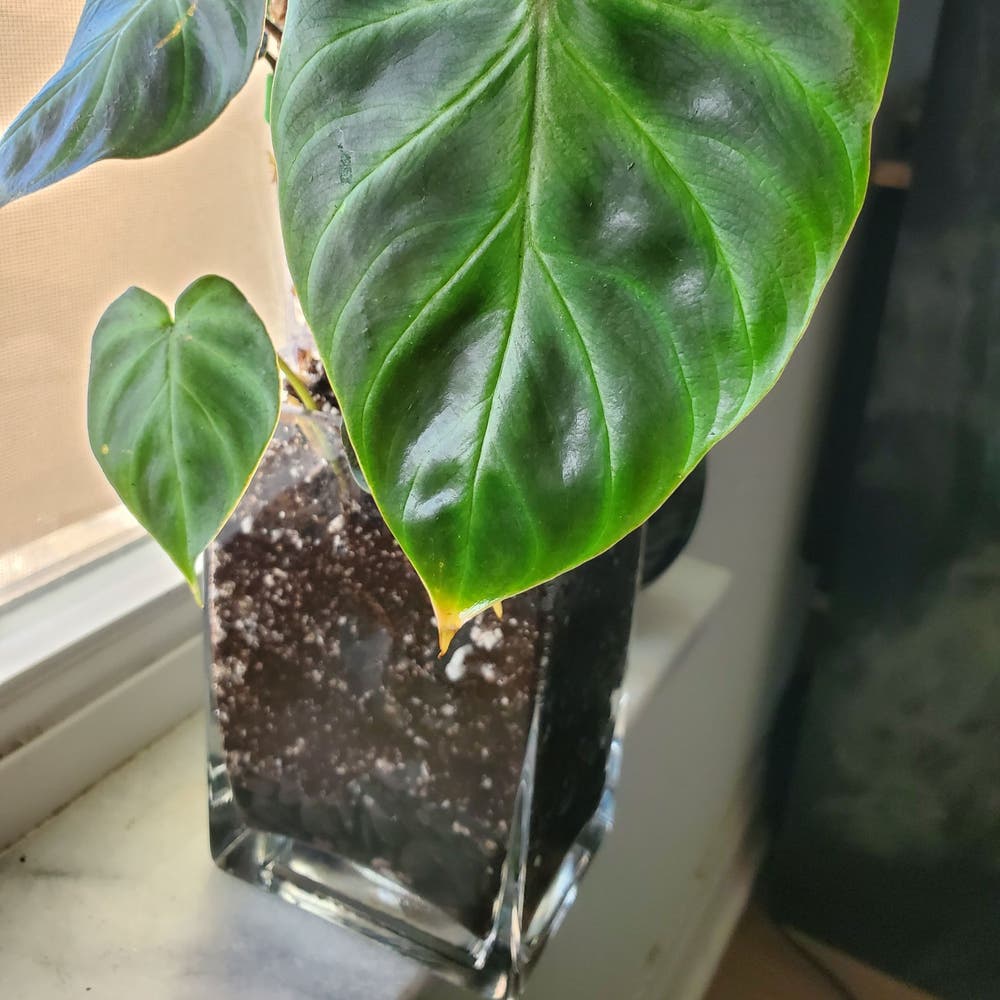
Why Are There Black Spots on My Ecuador Philodendron Leaves?
Philodendron verrucosum
By the Greg Editorial Team
Jun 18, 2024•4 min read
This article was created with the help of AI so we can cover more plants for you. May contain errors. See one? Report it here.
- Black spots may signal escalating issues, like bacterial or fungal infections.
- Inspect leaves and roots for signs; lab tests can confirm the cause.
- Prevent spots with dry leaves, airflow, and stable humidity/temperature.
Spotting the Trouble: Identifying Black Spots on Your Plant
🕵️♂️ Visual Clues and Symptoms
Black spots on your Ecuador Philodendron's leaves are like red flags; they demand attention. These spots may feel rough or look sunken, betraying an underlying issue. They often start small and can have dark edges or concentric rings, hinting at an infection's silent spread.
Patterns of progression are key. If spots are expanding or merging, it's a signal that the problem is escalating. Keep an eye on new growth; healthy young leaves should be spot-free.
🕵️♂️ Investigating Beyond the Surface
To sleuth out the cause, inspect the undersides of leaves and the plant's overall environment. Is it too sunny, causing a leaf sunburn, or too damp, inviting fungal gatecrashers?
Root health is a telltale sign. Mushy, discolored roots can indicate overwatering and poor drainage, leading to root rot. Conversely, dry, brittle roots suggest underwatering.
When in doubt, a lab test can be the plant equivalent of a medical diagnosis. It's not overkill; it's due diligence for your leafy friend's longevity.

The Usual Suspects: Bacterial and Fungal Culprits
🦠 Bacterial Leaf Spot Breakdown
Bacterial infections on your Ecuador Philodendron are like uninvited guests who don't know when to leave. Brown spots with yellow halos are the calling card of these party crashers. They're not just a cosmetic issue; they can spread like gossip, threatening the vitality of your plant.
Bacteria thrive in warm, moist environments, turning your philodendron's leaves into their personal incubators. They hitch rides on contaminated tools or hands, so keep your gardening gear as clean as your Sunday best.
🍄 Fungal Foes and Their Telltale Signs
Fungal infections are the ninjas of the plant world, sneaky and destructive. Distinctive marks like brown spots or white powdery patches are their graffiti on your plant's leaves. They love a good moisture party, with high humidity and poor air circulation as their favorite venues.
Temperature swings are like mood music for fungi, encouraging their growth and spread. Keep the climate around your philodendron as stable as a seasoned yogi to avoid these unwanted guests.

Turning the Tide: Effective Treatment Options
🛡️ Immediate Actions to Take
Isolate the plant. It's like putting your philodendron in quarantine to halt the black spot pandemic. Snip off the infected leaves with sterilized shears—think surgical precision. Keep the foliage dry; water at the base to avoid splashing like a covert operative avoiding detection.
💦 Cleaning Up: Best Practices for Sanitation
Sanitize your tools with alcohol or bleach after each use. It's like washing your hands in the plant world—basic hygiene. Clean up fallen debris around your plant to discourage any fungal frat parties.
💉 Choosing Your Arsenal: Chemical and Natural Remedies
Fungicides are your chemical knights in shining armor, but choose wisely. Copper-based ones are popular, but they're not a universal fit. Always check the label—your plant's life depends on it. For bacterial woes, bactericides are your green thumb's secret weapon. Use them early, like an ounce of prevention being worth a pound of cure.
Natural alternatives are the gentle giants here. Neem oil, cinnamon, and chamomile tea can be surprisingly effective. They're like the friendly neighborhood heroes of the plant world. Mix them into your plant care routine for a touch of organic peacekeeping.
Remember, whether you're wielding the chemical big guns or the natural remedies, the goal is the same: a thriving, spot-free Ecuador Philodendron.

Keeping the Spots at Bay: Prevention Tactics
🌱 Cultural Practices for Plant Health
Watering wisdom is crucial. Aim for the soil, not the leaves, to keep foliage dry. This not only prevents fungal parties but also ensures that the roots get the hydration they need without excess moisture on the leaves.
Air flow is your plant's best friend. Ensure there's enough space between your plants for air to circulate freely, reducing the risk of a fungal mosh pit. Think of it as giving your plants their own personal bubble.
🌿 Environmental Mastery
Adjusting your plant's microclimate can be a game-changer. Create conditions that are less inviting to pathogens by managing the environment around your plants.
Humidity and temperature are like the thermostat of plant health. Monitor these conditions closely, and control them to prevent the development of black spots. Keep the air around your plants as dry as a humorist's wit to deter those pesky pathogens.
⚠️ Safety First
This content is for general information and may contain errors, omissions, or outdated details. It is not medical, veterinary advice, or an endorsement of therapeutic claims.
Always consult a qualified healthcare professional before using any plant as food, medicine, or supplement.
Never eat any plant (or feed one to pets) without confirming its identity with at least two trusted sources.
If you suspect poisoning, call Poison Control (800) 222-1222, the Pet Poison Helpline (800) 213-6680, or your local emergency service immediately.
Spotted an error? Please report it here.
Uncover the mystery behind those pesky black spots on your Ecuador Philodendron and let Greg guide you to healthier greenery 🌿 with its custom care insights.