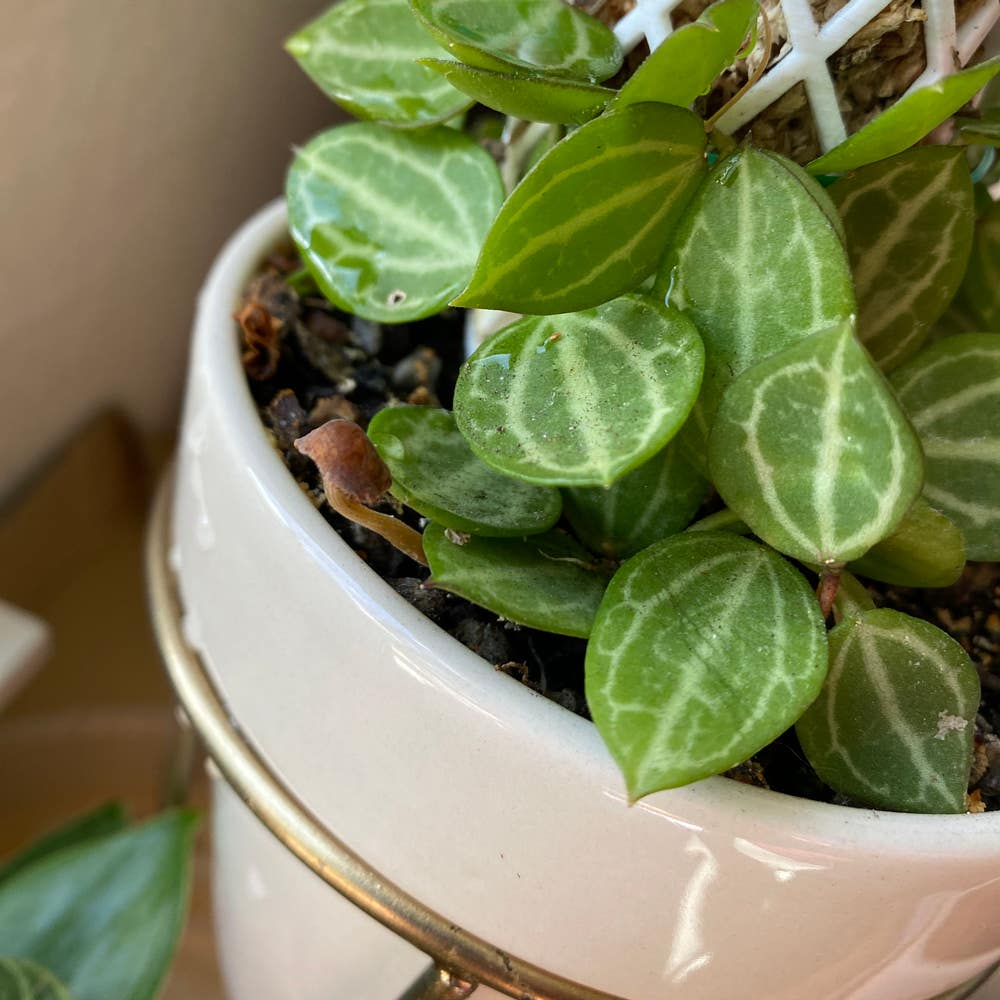
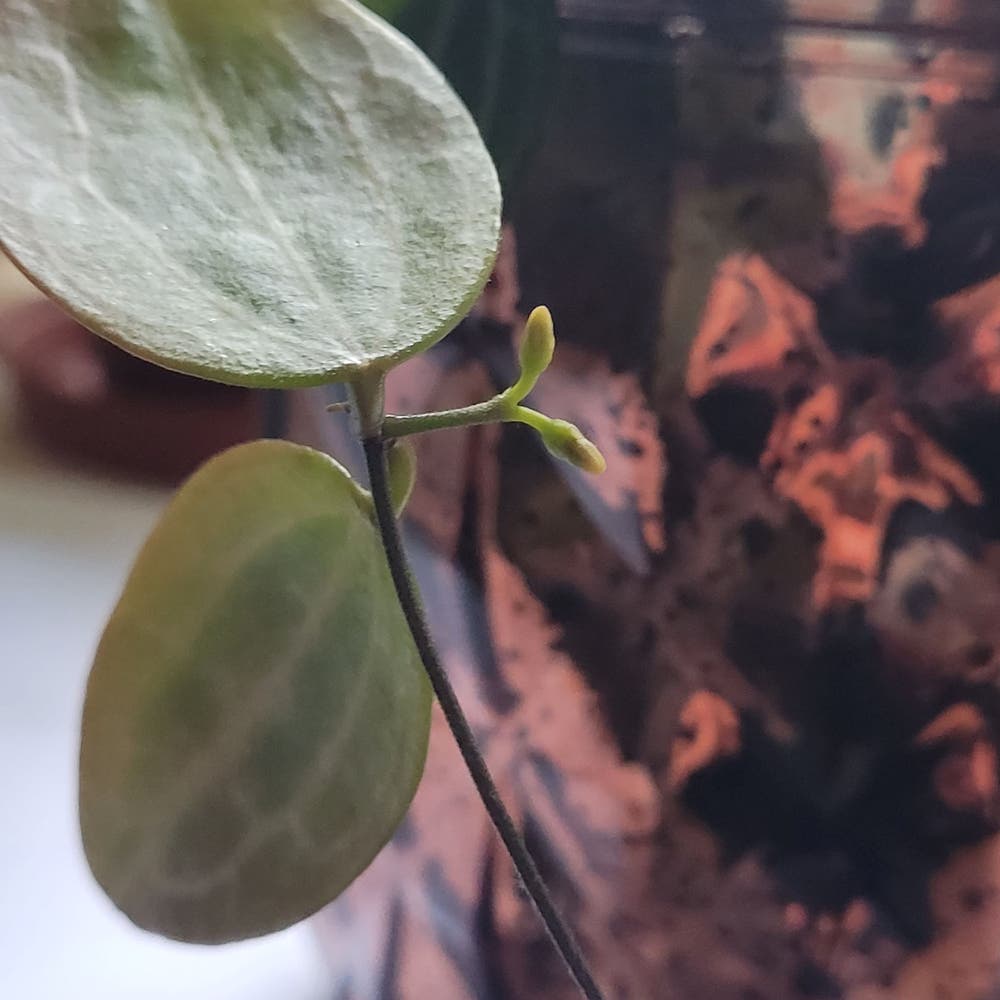
🍉 7 Ideal Locations to Plant Your Watermelon Dischidia
Dischidia ovata
By the Greg Editorial Team
Oct 17, 2024•5 min read
This article was created with the help of AI so we can cover more plants for you. May contain errors. See one? Report it here.
Ensure your Watermelon Dischidia thrives by mastering its sunlight and soil needs! 🌞🌱
- 🌞 Watermelon Dischidia needs 4-6 hours of bright, indirect light daily for optimal growth.
- 🌱 Well-draining, organic-rich soil with pH 6.0-7.0 is essential for healthy plants.
- 🌬️ Protect from strong winds and ensure good air circulation to prevent fungal diseases.
Sunlight Exposure Requirements
Full Sun vs. Partial Shade 🌞
Watermelon Dischidia loves bright, indirect light but can handle a bit of shade. For optimal growth, aim for 4-6 hours of direct sunlight daily if you choose full sun, or 3-4 hours of filtered sunlight in partial shade.
Assessing Sunlight in Different Locations 🕶️
When selecting a planting spot, check for natural light availability throughout the day. Look out for shadows from nearby structures or trees that might block sunlight.
To get a clearer picture, consider using a sun calculator or simply observe the area at various times. This will help you understand the sunlight patterns and make an informed decision about where to plant your Watermelon Dischidia.
With the right sunlight exposure, your plant will thrive, setting the stage for a lush, vibrant display. Next, let’s dive into the soil type preferences that will keep your Watermelon Dischidia happy and healthy.
Soil Type Preferences
Ideal Soil Conditions 🌱
Watermelon Dischidia thrives in well-draining soil that’s rich in organic matter. For the best results, consider using loamy soil that offers good aeration or a potting mix specifically designed for tropical plants.
Soil pH and Nutrient Levels ⚗️
Maintaining the right soil pH is crucial, with an optimal range between 6.0 and 7.0. Regular soil testing helps ensure nutrient availability, allowing you to make adjustments as needed for healthy growth.
Practical Tips for Soil Preparation 🛠️
- Amend Soil: Incorporate compost or organic fertilizers to enhance nutrient content.
- Drainage: Ensure your planting area has proper drainage to prevent waterlogging.
Monitoring Soil Health 👀
Keep an eye on your soil's condition over time. Healthy soil not only supports your Watermelon Dischidia but also contributes to a vibrant garden ecosystem.
By focusing on these soil preferences, you set the stage for a thriving Watermelon Dischidia. Next, let’s explore how to assess the proximity to other plants or structures for optimal growth.
Proximity to Other Plants or Structures
🌱 Companion Planting Considerations
Choosing the right companions for your Watermelon Dischidia can significantly enhance its growth. Ideal companions include other tropical plants that share similar care requirements, creating a harmonious garden ecosystem.
Climbing plants can also be great allies, providing support as your Watermelon Dischidia grows. This not only maximizes space but also adds visual interest to your garden.
📏 Assessing Space and Layout
Space is crucial when planting Watermelon Dischidia. Ensure adequate spacing to prevent overcrowding, which can lead to competition for resources and hinder growth.
Consider the height and spread of nearby plants as well. Avoid placing your Watermelon Dischidia in the shadow of taller plants to ensure it receives the light it needs to thrive.
By carefully selecting companions and assessing your layout, you can create a thriving environment for your Watermelon Dischidia. This thoughtful planning sets the stage for healthy growth and vibrant foliage.
Next, let’s explore how to assess microclimates in your garden to find the perfect spot for your plant.
Assessing Microclimates
🌡️ Understanding Microclimates for Dischidia
Microclimates are those little pockets of unique climate conditions within your garden. For Watermelon Dischidia, look for warmer spots near walls or fences that can absorb heat, as well as cooler areas under larger trees that offer some shade.
🌬️ Evaluating Temperature and Humidity
Temperature and humidity can vary significantly in different locations. Keep an eye on these factors to find spots that maintain consistent warmth and humidity, which are essential for thriving tropical plants like Dischidia.
Choosing the right microclimate can make all the difference in your plant's health. By understanding these subtle variations, you can create an ideal environment for your Watermelon Dischidia to flourish.
Next, let’s explore the importance of wind protection and how to shield your plants from harsh conditions.
Wind Protection Needs
Importance of Wind Protection 🌬️
Watermelon Dischidia is quite sensitive to strong winds. These gusts can damage its delicate leaves and stunt its growth, making wind protection essential for a thriving plant.
Strategies for Wind Protection 🛡️
To safeguard your Watermelon Dischidia, consider planting it near structures or taller plants that can act as natural windbreaks.
You can also use garden screens or fences to create a barrier against harsh winds. These simple strategies will help your plant flourish in a more stable environment.
By ensuring adequate wind protection, you set the stage for healthy growth and vibrant foliage.
As you prepare to choose the best spot for your plant, keep in mind the importance of other environmental factors that contribute to its overall well-being.
Assessing the Best Spot
🌍 Evaluating Indoor vs. Outdoor Settings
When deciding where to plant your Watermelon Dischidia, consider both indoor and outdoor environments. Indoor settings like bright windowsills or areas with indirect light can be ideal, but make sure to check humidity levels and air circulation.
For outdoor settings, look for locations that mimic tropical conditions. These spots should offer warmth and moisture, crucial for the plant's growth.
☀️ Choosing Between Full Sun and Partial Shade
Understanding your Watermelon Dischidia's needs is essential. Depending on its growth stage and your local climate, you may need to choose between full sun and partial shade.
Full sun can be beneficial, but too much direct sunlight can stress the plant. Conversely, partial shade can provide a more balanced environment, especially in hotter climates.
🌬️ Importance of Air Circulation
Air circulation is vital for the health of your Watermelon Dischidia. Good airflow helps prevent fungal diseases, which can be a real concern for tropical plants.
To ensure proper circulation, avoid overcrowding your plant. Opt for locations that naturally allow air to flow around it, promoting a healthier growing environment.
By carefully assessing these factors, you can find the perfect spot for your Watermelon Dischidia, setting it up for success in your garden or home. Next, let’s explore the wind protection needs to further enhance its growth.
⚠️ Safety First
This content is for general information and may contain errors, omissions, or outdated details. It is not medical, veterinary advice, or an endorsement of therapeutic claims.
Always consult a qualified healthcare professional before using any plant as food, medicine, or supplement.
Never eat any plant (or feed one to pets) without confirming its identity with at least two trusted sources.
If you suspect poisoning, call Poison Control (800) 222-1222, the Pet Poison Helpline (800) 213-6680, or your local emergency service immediately.
Spotted an error? Please report it here.
Maximize your Watermelon Dischidia's potential for lush growth 🌿 by using Greg's tailored care tips to provide the perfect light, water, and nutrients it craves!