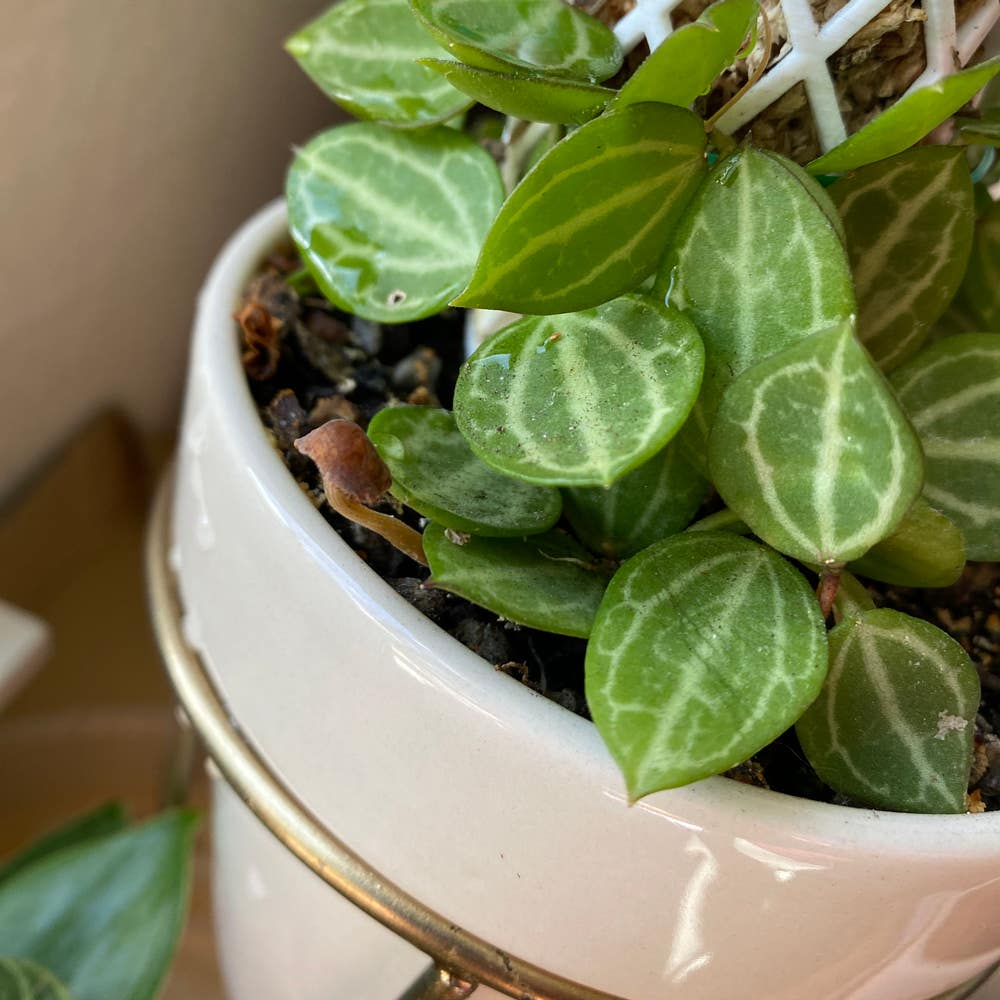
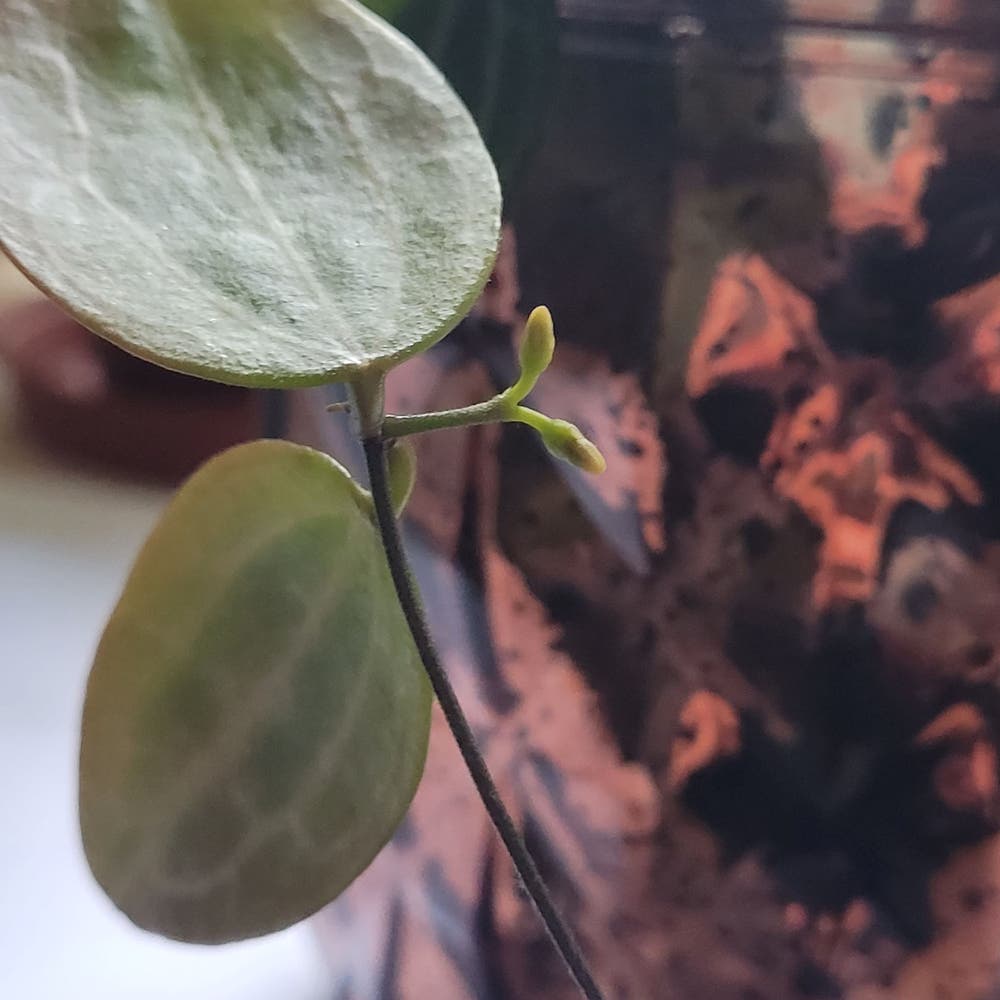
6 Tips for Pruning Watermelon Dischidia
Dischidia ovata
By the Greg Editorial Team
Jul 21, 2024•5 min read
This article was created with the help of AI so we can cover more plants for you. May contain errors. See one? Report it here.
Discover the secret to a thriving Watermelon Dischidia with timely pruning tips 🌿✂️.
- 🌱 Prune in spring for growth; avoid fall and winter to prevent stress.
- ✂️ Use proper techniques like pinching and thinning for plant health and shape.
- 🌼 Deadhead post-bloom to redirect energy and maintain vigor.
Optimal Pruning Times
🌿 Seasonal Pruning Guide
Pruning Watermelon Dischidia is less about sticking to a strict calendar and more about syncing with its natural rhythms. Here's when to get your shears out:
- Spring: The plant's growth is vigorous, making it the ideal time for pruning. This season sets the stage for a lush growth spurt.
- Summer: Continue with light pruning as needed. The plant can still heal well and redirect its energy during this active period.
- Avoid Winter and Fall: These are times of rest for your Dischidia, and it's more vulnerable. Hold off on pruning to prevent stress and damage.
🔄 Growth and Pruning Cycles
Understanding the growth cycle of your Watermelon Dischidia is key to effective pruning:
- Post-Bloom Period: After flowering, prune to encourage future growth and maintain plant vigor.
- Active Growth Phases: Align your pruning with these phases for a robust recovery and to enhance the next bloom cycle.
- Dormancy: Pruning during this phase can be detrimental. It's best to wait until signs of new growth appear in the spring.
Pruning Techniques
🌱 Making the Cut
Pruning Watermelon Dischidia isn't just about keeping it in shape; it's about encouraging healthy growth. Here's how to make your move:
- Pinching: Gently remove the tips of young stems to promote a bushier plant. It's like guiding your plant on where to grow next.
- Thinning: Cut whole branches back to their point of origin to let light and air in, which is crucial for preventing disease. Start with the dead or diseased wood first.
- Heading Back: Trim the ends of branches to encourage fuller growth and maintain your Watermelon Dischidia's form.
Remember, always aim for precision and make your cuts just above leaf nodes or internodes.
🛠 Tools and Sanitation
The right tools make all the difference. Here's what you'll need and how to keep them in top condition:
- Pruning Shears: Sharp and clean, for those perfect snips.
- Rubbing Alcohol or Bleach Solution: Use it to sterilize your tools before and after pruning, just like you'd sanitize your hands.
Keep in mind, a clean cut heals faster and reduces the risk of disease. So, keep those tools disinfected and your Watermelon Dischidia will thank you.
Deadheading for Vigor
🌺 The Role of Deadheading
Deadheading Watermelon Dischidia isn't just about aesthetics; it's a strategic move to boost the plant's vitality. By removing spent flowers, you channel the plant's resources into fostering new growth and maintaining robust health.
- Redirects energy to new growth and potential blooms.
- Prevents the plant from expending energy on seed production.
- Enhances the overall vigor of the plant.
🌼 Deadheading Step-by-Step
Deadheading Watermelon Dischidia is straightforward and rewarding. Follow these steps to ensure your plant invests its energy wisely:
- Identify spent flowers that are fading or have wilted.
- Use clean, sharp scissors or pruning shears for a clean cut.
- Snip the stem of the spent flower just above the nearest leaf node or joint.
- Dispose of the removed material to keep the area tidy and disease-free.
- Regularly check the plant for new flowers to deadhead.
Pruning for Shape and Health
🌿 Strategic Pruning
Pruning Watermelon Dischidia is a delicate dance between art and science. It's about enhancing the plant's natural form while promoting vigorous growth. Here's how to get it right:
- Identify overgrown branches that throw off the plant's balance and trim them back to a side shoot or healthy bud.
- Aim for a symmetrical silhouette, but don't be afraid to reveal the plant's unique character.
- Use sharp, clean tools for precise cuts that minimize damage and disease risk.
🩹 Damage Control
Healthy plants are the goal, and sometimes that means playing the role of surgeon:
- Remove dead or diseased foliage promptly to halt the spread of potential problems.
- Snip off damaged leaves at the base, redirecting energy to healthier growth.
- Keep an eye out for discolored or wilted parts—these are the first to go.
Troubleshooting Pruning Issues
🌿 Common Pruning Mistakes
Pruning is as much an art as it is a science, and even the greenest thumbs can make mistakes. Here are some common missteps to watch out for:
- Over-pruning: Avoid removing more than one-third of the foliage at a time to prevent stunting the plant's growth.
- Neglecting diseased or damaged branches: These should be removed promptly to stop the spread of any issues.
- Making incorrect cuts: Aim for clean cuts and avoid damaging the branch collar to prevent harm to the plant.
- Disregarding disease: Always inspect for signs of disease or pests and address them immediately.
🌱 Overcoming Pruning Challenges
Encountering challenges after pruning is normal, but there are ways to bounce back:
- If over-pruning occurs, focus on providing optimal care with proper watering, lighting, and patience for recovery.
- For accidental damage, clean up any bad cuts with a sharp, sterilized tool.
- After pruning, ensure the plant has adequate airflow and light to recover well.
- Always disinfect your tools before moving on to the next plant to prevent the spread of pathogens.
⚠️ Safety First
This content is for general information and may contain errors, omissions, or outdated details. It is not medical, veterinary advice, or an endorsement of therapeutic claims.
Always consult a qualified healthcare professional before using any plant as food, medicine, or supplement.
Never eat any plant (or feed one to pets) without confirming its identity with at least two trusted sources.
If you suspect poisoning, call Poison Control (800) 222-1222, the Pet Poison Helpline (800) 213-6680, or your local emergency service immediately.
Spotted an error? Please report it here.
Ensure your Watermelon Dischidia is pruned just right 🌿 with Greg's custom care reminders and expert community tips!