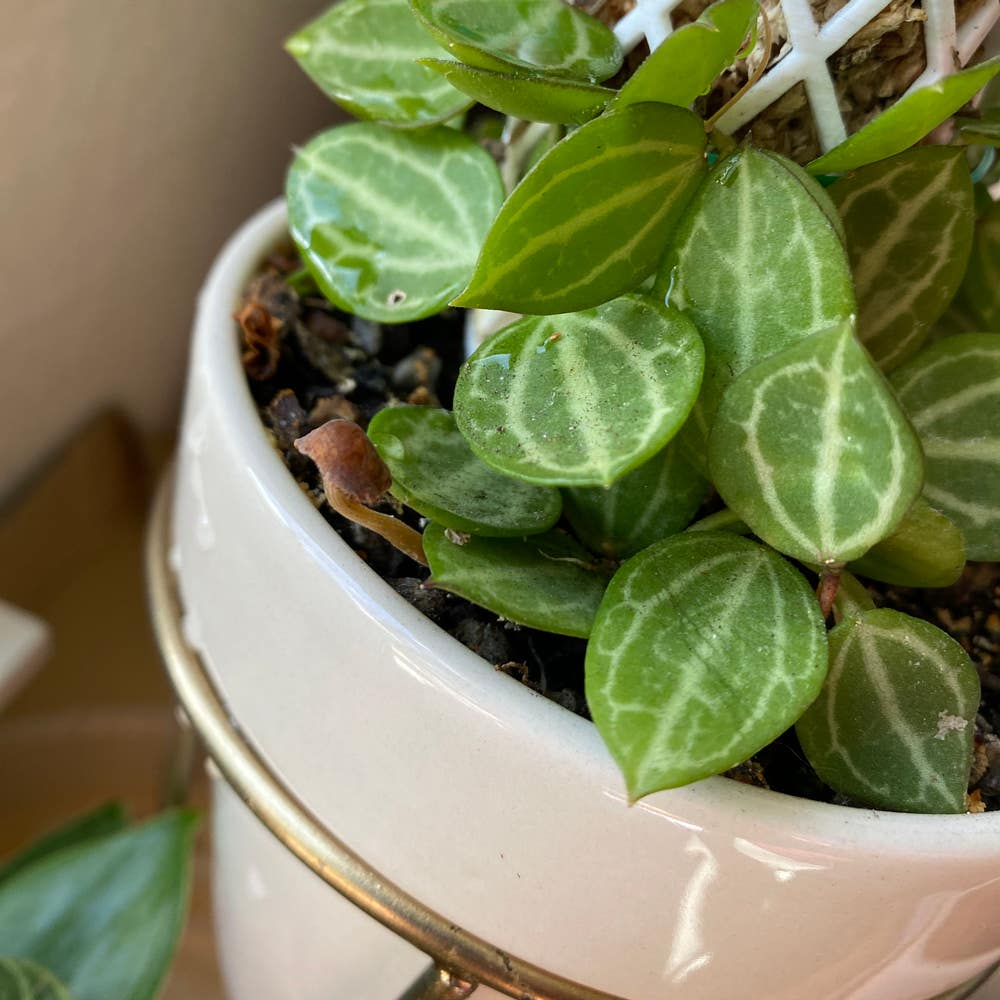
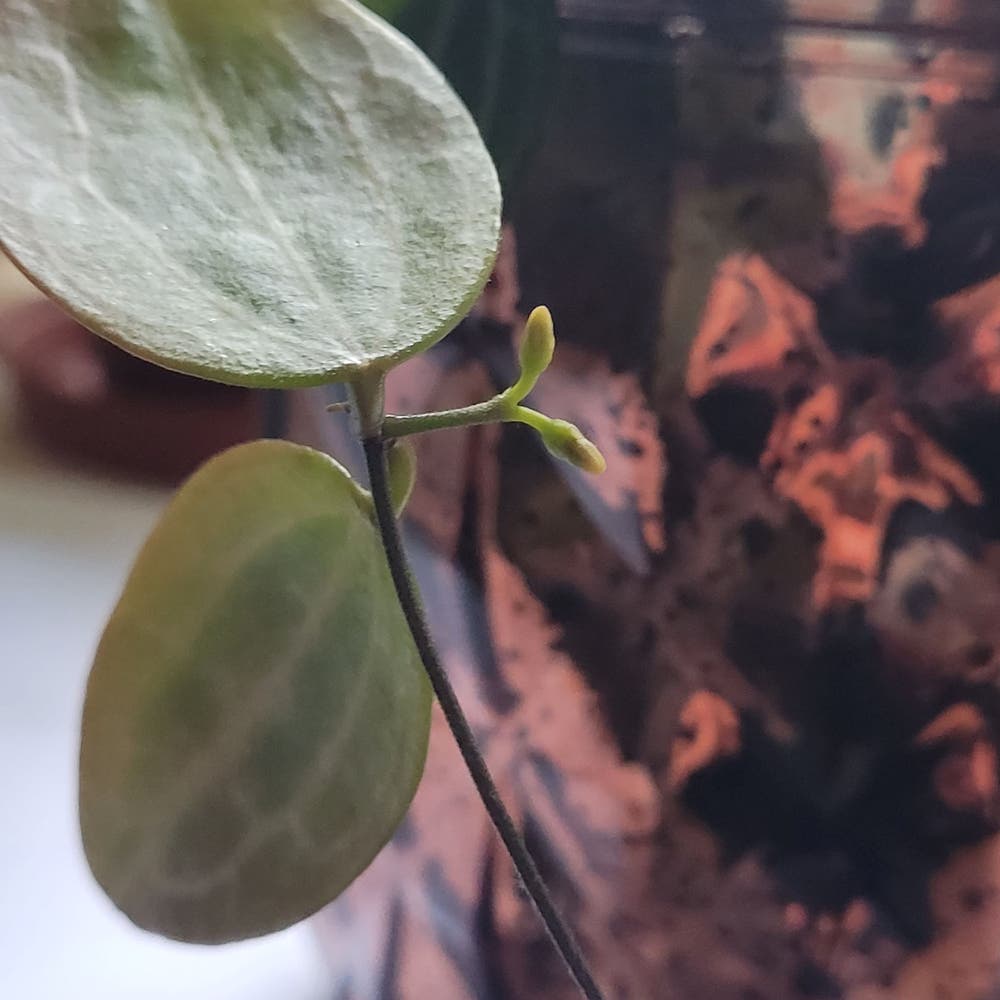
🍉 How to Grow Dischidia: From Soil to Sun
Dischidia ovata
By the Greg Editorial Team
Oct 17, 2024•5 min read
This article was created with the help of AI so we can cover more plants for you. May contain errors. See one? Report it here.
Cultivate a vibrant Watermelon Dischidia 🌿 with these essential planting and care tips for thriving growth!
- 🌞 Bright, indirect sunlight prevents leaf scorch for healthy Watermelon Dischidia growth.
- 🌡️ Maintain 20°C to 30°C for optimal growth and vibrant leaves.
- 🌱 Use well-draining soil with pH 6.0 to 7.0 for healthy roots.
Site Selection and Soil Preparation
Choosing the Right Location 🌞
Selecting the perfect spot for your Watermelon Dischidia is crucial. Aim for bright, indirect sunlight; direct sun can scorch the leaves.
Temperature is another key factor. The ideal range is between 20°C to 30°C (68°F to 86°F) for optimal growth.
Soil Requirements 🌱
Next, let’s talk soil. A well-draining soil mix is essential; compacted soils can lead to root issues.
Aim for a slightly acidic to neutral pH level, ideally between 6.0 and 7.0. This range supports healthy plant growth.
Nutrient content matters too. Rich organic matter is a must, so consider using a mix of orchid bark or aroids for the best results.
Preparing the Soil for Planting 🧑🌾
Now, let’s get our hands dirty! Start by gathering your materials: potting mix, perlite, and orchid bark.
Mix these components in a 2:1:1 ratio (potting mix:perlite:orchid bark). This combination ensures excellent drainage and aeration.
Finally, fill your containers, making sure they have adequate drainage holes. This step is vital to prevent waterlogging and promote healthy roots.
With the right location and soil prepared, you're ready to move on to planting your Watermelon Dischidia!
Planting Watermelon Dischidia ((difficulty:easy))
🌱 Step-by-Step Planting Instructions
Choose a container or location: Ensure it meets light and humidity needs. A well-ventilated area with bright, indirect sunlight is ideal.
Fill with prepared soil: Leave space for the root ball. This allows the plant to settle comfortably without being cramped.
Position the plant: Place it at the same depth as in the nursery pot. This helps maintain stability and encourages healthy growth.
Water lightly: Ensure the soil is moist but not soggy. Overwatering can lead to root rot, so be cautious.
🪴 Container vs. Outdoor Planting
Container gardening: Offers flexibility in placement and is perfect for indoor environments. You can easily move the plant to optimize light and humidity.
Outdoor planting: Requires humid, shaded areas. Always consider local microclimates to ensure the plant thrives.
📏 Spacing and Depth Considerations
Spacing: For outdoor planting, space plants 12-18 inches apart. This allows for air circulation and prevents overcrowding.
Depth: Ensure roots are covered but not buried too deep. Proper depth helps the plant establish itself without stress.
With these steps, you're well on your way to successfully planting Watermelon Dischidia. Next, let’s explore how to care for your plant through watering and fertilizing!
Watering and Fertilizing
Watering Frequency and Techniques 🌊
Water your Watermelon Dischidia every 1-2 weeks, adjusting based on humidity levels. Ensure you water thoroughly until it drains from the bottom, promoting healthy root growth.
Best Fertilizers for Dischidia 🌱
During the growing season, fertilize monthly to keep your plant thriving. A balanced liquid fertilizer diluted to half strength works wonders for nutrient uptake.
Signs of Overwatering or Underwatering 🚨
Watch for yellowing leaves and mushy stems, which indicate overwatering and potential root rot. Conversely, if you notice wilting leaves and crispy edges, your plant may be underwatered and in need of immediate attention.
Understanding these watering and fertilizing essentials will set you on the right path for a flourishing Watermelon Dischidia. Next, let’s explore pruning techniques to encourage healthy growth.
Pruning and Ongoing Care
🌱 Pruning Techniques for Healthy Growth
Pruning is essential for maintaining the health of your Watermelon Dischidia. Aim to prune in early spring or right after flowering to encourage bushier growth.
Trim away any leggy growth and dead leaves. This not only improves appearance but also promotes better air circulation and light penetration.
🕵️♂️ Regular Care Routine
Monitoring your plant regularly is crucial. Keep an eye out for signs of pests and diseases to catch any issues early.
For pest management, consider using insecticidal soap or neem oil. These options are effective and less harsh on your plant.
🍂 Seasonal Care Adjustments
As seasons change, so should your care routine. In winter, increase humidity around your plant to combat dry air.
Additionally, reduce your watering frequency during colder months. This helps prevent overwatering and keeps your Dischidia thriving.
With these ongoing care tips, your Watermelon Dischidia will flourish beautifully. Next, let’s explore common challenges and solutions to ensure your plant remains healthy and vibrant.
Common Challenges and Solutions
🐛 Identifying and Addressing Pests
Mealybugs
Mealybugs can be a real nuisance for your Watermelon Dischidia. Look out for white, cotton-like clusters on the leaves; these are telltale signs of an infestation.
To control them, you can manually remove the bugs or apply insecticidal soap. Regular checks can help catch these pests early.
Spider Mites
Spider mites are another common issue. You might notice fine webbing and stippled leaves, indicating these tiny pests are at work.
Increasing humidity can deter spider mites, and using miticides can help eliminate them if they become a problem.
🦠 Managing Diseases
Root Rot
Root rot is a serious concern, often caused by overwatering. Symptoms include wilting and yellowing leaves, even when you're watering adequately.
To prevent root rot, ensure your pots have proper drainage and avoid soggy soil. A well-draining mix is essential for healthy roots.
🌱 Tips for Overcoming Growth Issues
Leggy Growth
If your Watermelon Dischidia is looking leggy, it might be due to insufficient light. Moving the plant to a brighter location can encourage more robust growth.
This simple adjustment can make a significant difference in the plant's overall health and appearance.
Leaf Drop
Leaf drop can be alarming, often caused by stress from overwatering or temperature fluctuations. Stabilizing the conditions can help prevent this issue.
Monitor your plant closely and adjust your care routine to create a more consistent environment.
With these tips, you'll be well-equipped to tackle common challenges and keep your Watermelon Dischidia thriving!
⚠️ Safety First
This content is for general information and may contain errors, omissions, or outdated details. It is not medical, veterinary advice, or an endorsement of therapeutic claims.
Always consult a qualified healthcare professional before using any plant as food, medicine, or supplement.
Never eat any plant (or feed one to pets) without confirming its identity with at least two trusted sources.
If you suspect poisoning, call Poison Control (800) 222-1222, the Pet Poison Helpline (800) 213-6680, or your local emergency service immediately.
Spotted an error? Please report it here.
Cultivating a thriving Watermelon Dischidia 🌿 is easy with Greg's tailored care tips and reminders, ensuring your plant flourishes in just the right conditions!