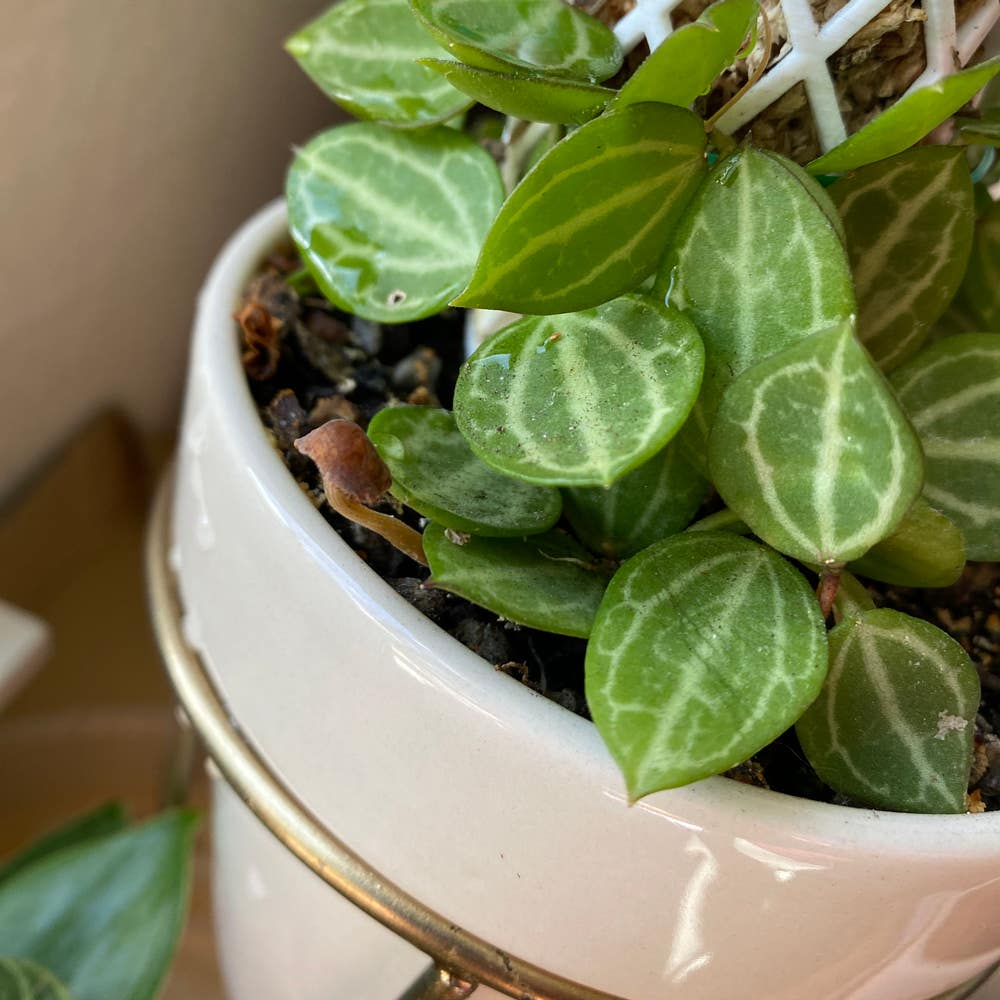
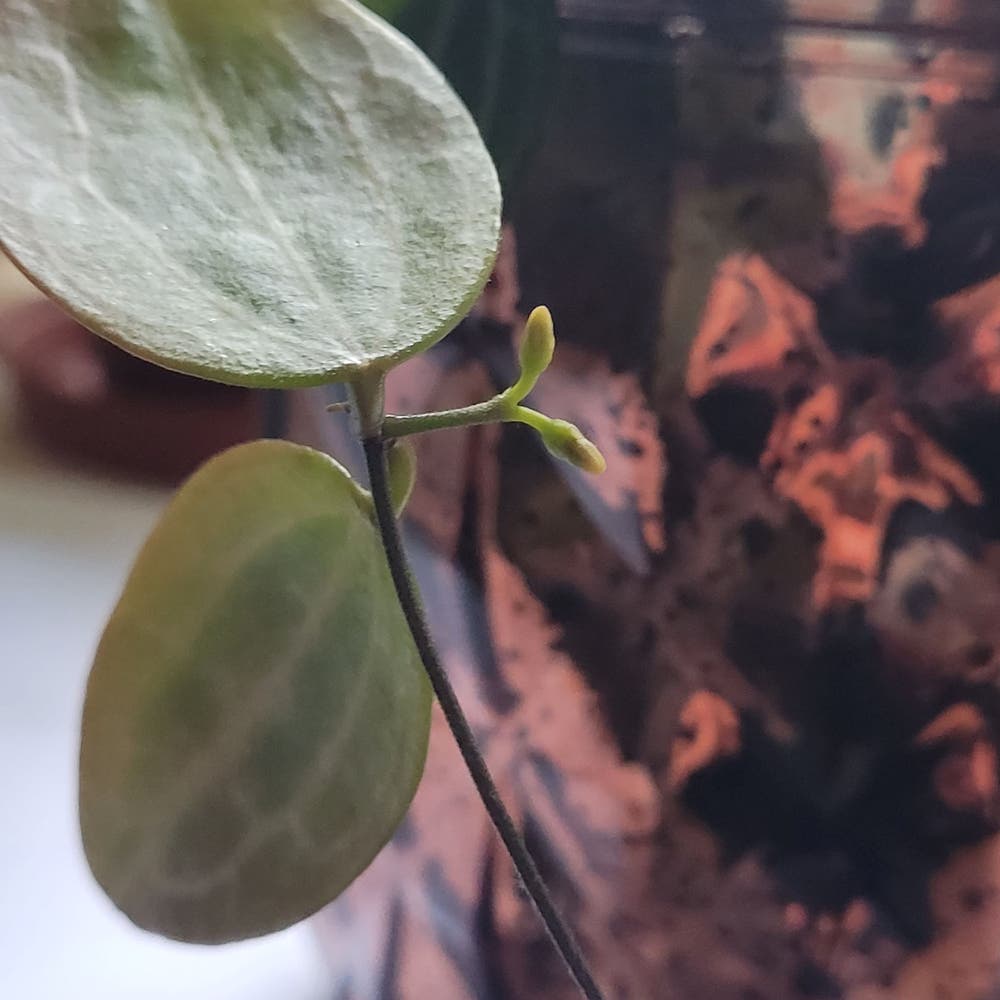
🍉 Watermelon Dischidia Roots 101
Dischidia ovata
By the Greg Editorial Team
Oct 17, 2024•6 min read
This article was created with the help of AI so we can cover more plants for you. May contain errors. See one? Report it here.
Transform your Watermelon Dischidia into a thriving beauty with essential root care tips! 🌱
- 🌱 Watermelon Dischidia roots are vital for nutrient absorption and plant health.
- 💧 Consistent moisture is crucial; avoid overwatering to prevent root rot.
- 🌿 Healthy roots are white or light tan; brown roots indicate problems.
Root System Type
Fibrous Characteristics 🌱
A fibrous root system is characterized by numerous thin roots that spread out from the base of the plant. This structure allows for efficient nutrient absorption, making it essential for the health of your Watermelon Dischidia.
Depth and Spread 📏
- Root Depth: Typically, these roots extend 6-12 inches below the soil surface.
- Root Spread: They can reach a diameter of 2-3 feet, which helps the plant absorb nutrients effectively.
Growth Patterns 🌿
Fibrous roots grow rapidly in response to moisture and nutrient availability. Their adaptability to various pot sizes and soil types enhances the plant's resilience, making it a robust choice for indoor gardening.
Understanding these characteristics is crucial for ensuring your Watermelon Dischidia thrives. With a solid grasp of its root system, you can better manage watering and fertilizing techniques, setting the stage for a healthy plant.
Watering and Fertilizing Techniques
🌊 Impact on Watering Practices
Watering your Watermelon Dischidia is all about balance. Consistent moisture is essential, but be careful to avoid waterlogging, which can suffocate those precious roots.
To determine when to water, check the top inch of soil. If it feels dry, it’s time to give your plant a drink.
🌱 Importance of Root Health
Healthy roots are the backbone of your plant's vitality. They absorb water efficiently, which helps prevent drought stress and keeps your plant thriving.
However, overwatering can lead to root rot, especially in fibrous systems. Always monitor your watering habits to ensure your roots remain happy and healthy.
🥦 Fertilizing Techniques for Root Health
Fertilizing is crucial for maintaining robust roots. Use a balanced, water-soluble fertilizer every 4-6 weeks during the growing season to provide essential nutrients.
When applying fertilizer, always follow the package instructions for dilution. This helps avoid root burn, which can be detrimental to your plant's health.
🚩 Indicators of Nutrient Deficiency
Keep an eye on your plant's leaves for signs of nutrient deficiency. Yellowing leaves can indicate a lack of nitrogen or other essential nutrients.
Addressing these deficiencies promptly can make a significant difference in your plant's overall health and growth.
With proper watering and fertilizing techniques, your Watermelon Dischidia will flourish. Next, let’s explore the best practices for transplanting to ensure your plant continues to thrive in its new environment.
Transplanting and Root Health
Best Practices for Transplanting 🌱
Transplanting your Watermelon Dischidia is crucial for its growth. Timing is key; aim to transplant during the growing season for the best recovery.
Steps for Transplanting
- Prepare a new pot with well-draining soil.
- Gently remove the plant from its current pot, taking care not to damage the roots.
- Place the plant in the new pot, ensuring the roots are spread out.
- Fill with soil and water thoroughly.
Following these steps will help your plant thrive in its new environment.
Healthy vs. Unhealthy Roots 🧐
Understanding root health is vital for your plant's success. Healthy roots are typically white or light tan and have a firm, pliable texture.
Signs of Unhealthy Roots
On the other hand, unhealthy roots may appear brown or black, indicating rot. They often feel mushy or slimy, a clear sign of overwatering.
Keeping an eye on your roots will help you maintain a vibrant, healthy plant.
Common Root-Related Issues
Identifying Problems 🌱
Root health is crucial for the vitality of your Watermelon Dischidia. Two common issues can severely impact your plant: root rot and pests.
Root Rot: This condition arises from overwatering or poor drainage. It can quickly devastate your plant if not addressed.
Pests: Root aphids and nematodes are notorious for damaging roots, leading to further complications.
Watch for symptoms that signal root problems. If your plant wilts despite adequate watering or shows stunted growth and yellowing leaves, it’s time to investigate.
Solutions and Prevention Tips 🛠️
Preventing root-related issues is easier than you might think. Start with these strategies:
Ensure Proper Drainage: Use pots with drainage holes and well-draining soil to keep roots healthy.
Use Sterilized Soil: This helps prevent pest infestations, giving your plant a fighting chance.
If you do encounter problems, here are some treatment options:
For Root Rot: Remove any affected roots and repot your plant in fresh, dry soil to promote recovery.
For Pests: Apply insecticidal soap or neem oil to eliminate unwanted guests without harming your plant.
By staying vigilant and proactive, you can maintain a thriving root system and ensure your Watermelon Dischidia flourishes. Next, let’s explore how to recognize and address rootbound conditions for optimal growth.
Recognizing and Addressing Rootbound Conditions
Definition and Signs 🌱
A rootbound plant has roots that have filled the pot, circling around the edges and restricting growth. This condition can lead to several visible signs, including:
- Roots visible through drainage holes: If you see roots peeking out, it's a clear indicator.
- Stunted growth or yellowing leaves: These symptoms suggest the plant is struggling to thrive.
Addressing Rootbound Issues 🛠️
To effectively tackle rootbound conditions, timing is crucial. Address these issues during the growing season for the best results.
Steps to Resolve:
- Gently remove the plant from its pot: Be careful to avoid damaging the roots.
- Trim any circling roots: This encourages new growth and helps the plant adapt.
- Repot in a larger container with fresh soil: Ensure the new pot has adequate drainage to prevent future issues.
By recognizing and addressing rootbound conditions promptly, you can help your plant flourish and thrive in its environment. Next, let’s explore propagation and division techniques to further enhance your gardening skills.
Propagation and Division Techniques
Importance of Root Health 🌱
Healthy roots are the backbone of successful propagation through cuttings. They not only support new growth but also enhance the resilience of propagated plants.
Techniques for Dividing and Propagating 🌿
Propagation by Cuttings ✂️
- Select Healthy Stems: Choose stems with at least two leaves for the best chance of success.
- Cut Below a Node: Make your cut just below a node and let it callous for 24 hours. This helps prevent rot.
- Plant in Medium: Place the cutting in a well-draining medium and keep it moist. Roots should develop within 2-4 weeks.
Division 🔪
When dividing plants, ensure each section has a healthy root system. This is crucial for successful establishment and growth.
With these techniques, you can easily expand your collection of Watermelon Dischidia. Healthy roots pave the way for thriving plants, setting the stage for your next gardening adventure.
⚠️ Safety First
This content is for general information and may contain errors, omissions, or outdated details. It is not medical, veterinary advice, or an endorsement of therapeutic claims.
Always consult a qualified healthcare professional before using any plant as food, medicine, or supplement.
Never eat any plant (or feed one to pets) without confirming its identity with at least two trusted sources.
If you suspect poisoning, call Poison Control (800) 222-1222, the Pet Poison Helpline (800) 213-6680, or your local emergency service immediately.
Spotted an error? Please report it here.
Keep your Watermelon Dischidia thriving with strong roots 🌿 by using Greg's tailored watering alerts and nutrient tips to ensure optimal growth and health!