🍉 Determining What Might Be Eating Your Dischidia
Dischidia ovata
By the Greg Editorial Team
Oct 17, 2024•8 min read
This article was created with the help of AI so we can cover more plants for you. May contain errors. See one? Report it here.
Safeguard your Watermelon Dischidia from herbivores while fostering a vibrant garden ecosystem! 🌿✨
- 🌱 Watermelon Dischidia attracts herbivores like deer, rabbits, and squirrels—know your foes!
- 🚫 Effective deterrents include fencing, repellents, and scare tactics to protect your plants.
- 🔍 Regular monitoring helps catch issues early, ensuring a healthy garden ecosystem.
Appearance and Appeal
Description of Appearance 🌿
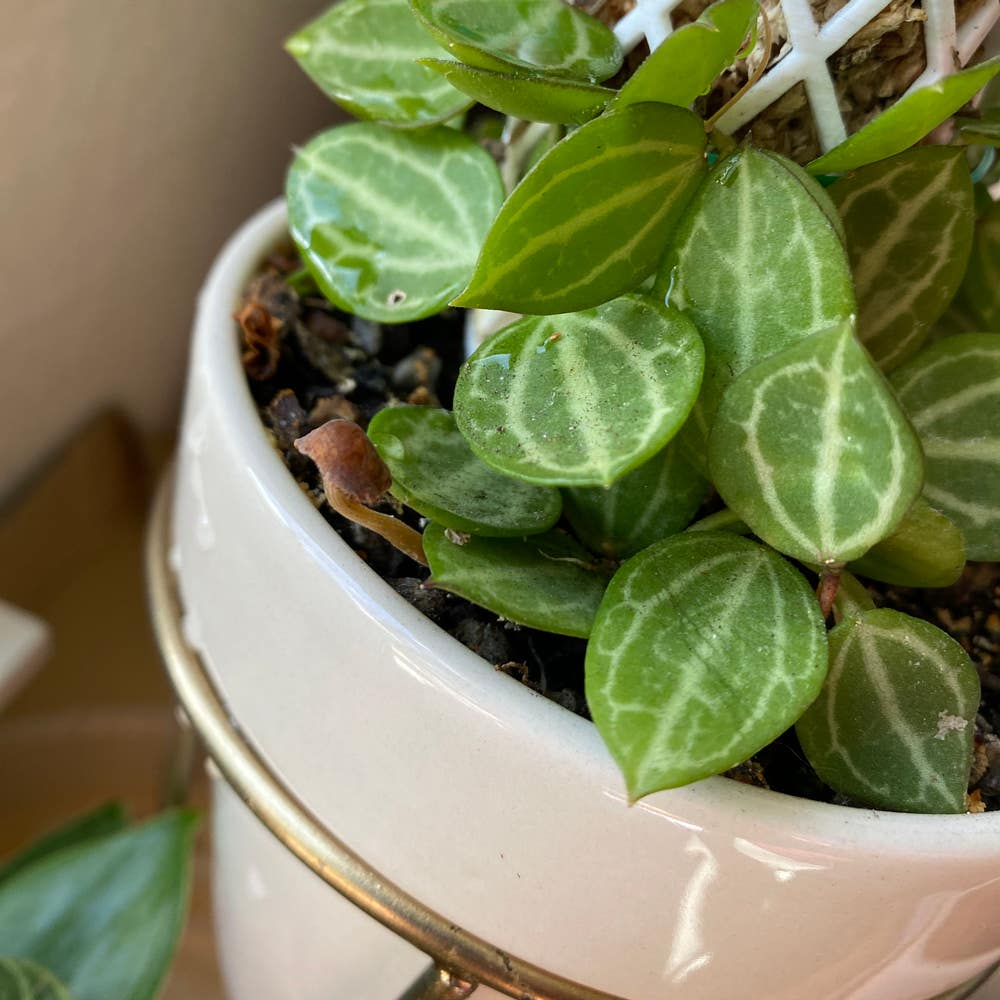
Watermelon Dischidia is a striking plant, boasting round, green leaves that have a glossy, waxy texture. These leaves not only catch the eye but also serve a functional purpose, helping to retain moisture.
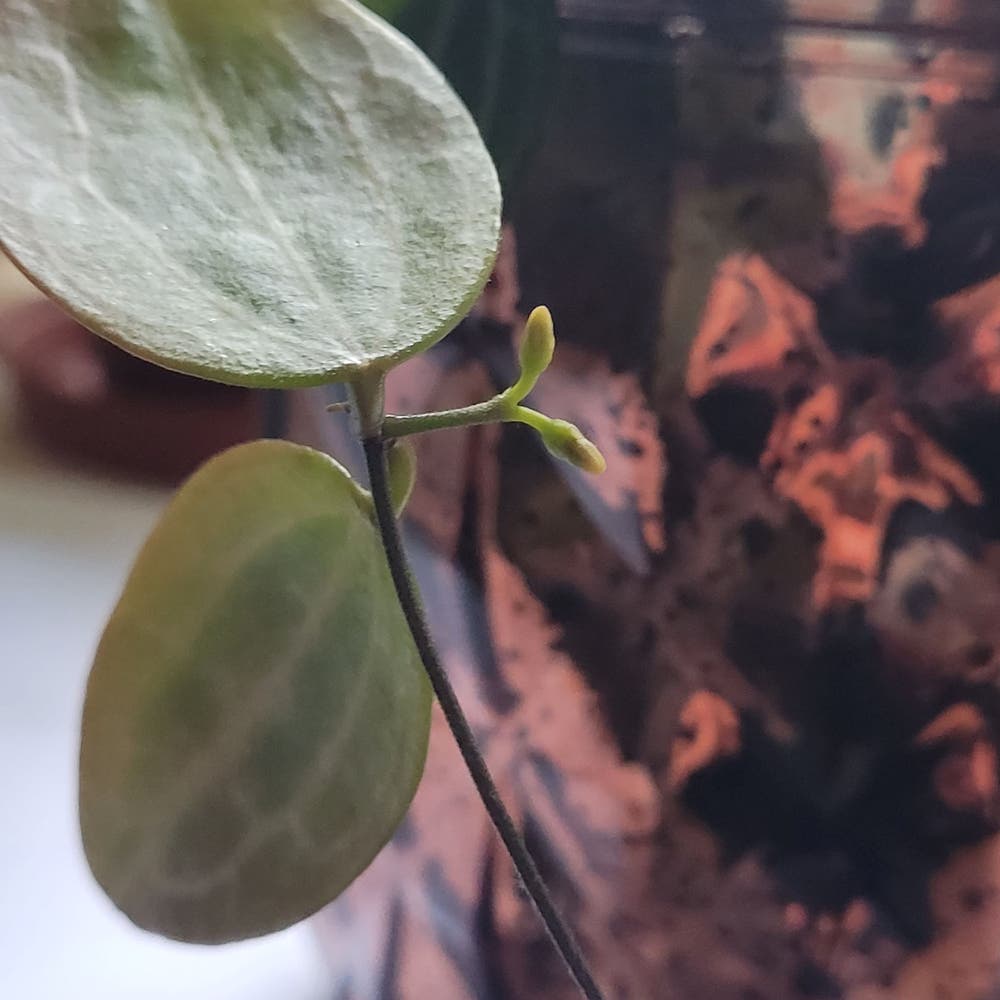
The plant produces small, attractive flowers that can bear tiny fruits. These blooms add a delightful touch to any garden, making it a favorite among plant enthusiasts.
Most Appealing Parts to Animals 🐾
The fruits of Watermelon Dischidia are small, juicy, and incredibly enticing to various herbivores. Their sweetness makes them a sought-after snack for many animals.
Flowers are another highlight, drawing in pollinators and other creatures with their vibrant allure. Additionally, young shoots are tender and nutritious, making them irresistible to herbivores looking for a fresh meal.
Understanding these appealing features can help gardeners protect their plants from potential threats while appreciating the beauty of Watermelon Dischidia.
As we explore the common herbivores that might be drawn to this plant, it's essential to recognize both the challenges and the wonders of sharing our gardens with wildlife.
Common Herbivores
🦌 Deer
Signs of presence
Look for distinct hoof prints near your Watermelon Dischidia. You might also notice irregularly chewed leaves and stems, indicating deer have been snacking.
Type of damage caused
Deer browsing can lead to significant defoliation, severely impacting the plant's health. This can result in stunted growth and reduced vigor.
Beneficial vs. harmful interaction
Generally, deer interactions are harmful. If left unmanaged, they can decimate your plants.
Deterrent methods
To keep deer at bay, consider installing 8-foot tall fencing. Alternatively, use commercial deer repellents or homemade solutions like garlic spray.
🐇 Rabbits
Signs of presence
Rabbits leave small, round droppings near the base of the plant. You may also find clean cuts on young shoots, indicating their nibbling.
Type of damage caused
Severe leaf loss from rabbit feeding can stress your plants and hinder growth. This can be particularly damaging for young plants.
Beneficial vs. harmful interaction
Rabbits are generally harmful to your garden. Their appetite can significantly impact young plants.
Deterrent methods
Netting is an easy way to cover your plants and prevent rabbit access. You can also use natural repellents with strong scents like peppermint or cayenne.
🐿️ Squirrels
Signs of presence
Look for irregular holes in the foliage, which indicate squirrel activity. Nests nearby, often in trees, can also signal their presence.
Type of damage caused
Squirrels can cause leaf damage that hinders photosynthesis and overall growth. This disruption can affect the plant's health.
Beneficial vs. harmful interaction
Interactions with squirrels are generally harmful. They can significantly disrupt plant health.
Deterrent methods
Scare tactics like reflective objects or noise-making devices can deter squirrels. Additionally, consider using live traps to relocate them.
🐦 Birds
Signs of presence
Peck marks on leaves and flowers are telltale signs of bird activity. You might also notice nesting nearby.
Type of damage caused
Birds can lead to seed predation, resulting in the loss of potential new plants. This can impact your garden's future growth.
Beneficial vs. harmful interaction
Bird interactions are mixed. While some birds help with pollination, others can cause damage.
Deterrent methods
Using plastic owls or other predator replicas can help deter birds. Hanging shiny materials can also be effective.
🐭 Rodents
Signs of presence
Look for small burrows or trails in the soil, along with small, dark droppings near the plant. These are signs of rodent activity.
Type of damage caused
Rodents can cause root damage, leading to plant instability and even death. This can be a significant threat to your garden.
Beneficial vs. harmful interaction
Rodent interactions are generally harmful. They can cause considerable damage to your plants.
Deterrent methods
Consider using snap traps or live traps for removal. Habitat modification, like clearing debris and tall grass, can also reduce hiding spots.
🦡 Groundhogs/Woodchucks
Signs of presence
Look for large burrows dug near your plants and distinctive gnaw marks on stems. These indicate groundhog activity.
Type of damage caused
Groundhogs can cause extensive browsing, completely stripping plants. This can devastate your garden area.
Beneficial vs. harmful interaction
Interactions with groundhogs are generally harmful. They can wreak havoc in your garden.
Deterrent methods
Installing underground fencing can prevent burrowing. You can also use commercial or homemade repellents to deter them.
Understanding these common herbivores and their interactions with your Watermelon Dischidia can help you protect your plants effectively. Next, let’s explore the beneficial animals that play a crucial role in your garden ecosystem.
Beneficial Animals and Ecosystem Roles
🐝 Pollinators: Nature's Helpers
Watermelon Dischidia attracts a variety of beneficial animals, particularly pollinators like bees and butterflies. These creatures play a crucial role in flower fertilization, ensuring that the plant can produce fruit and seeds effectively.
🦅 Predators: Guardians of the Garden
Birds also contribute positively by controlling pest populations. Their presence can help maintain a balanced ecosystem, reducing the need for chemical pest control methods.
🌱 Positive Impacts on the Garden Ecosystem
The benefits of these animals extend beyond mere pollination. Enhanced pollination leads to better fruit and seed production, which is essential for the plant's survival and growth.
Additionally, natural pest control from birds and other predators minimizes the reliance on synthetic chemicals. This not only promotes a healthier garden but also supports a more sustainable environment.
⚖️ A Balanced Approach
Encouraging beneficial species while managing harmful ones creates a thriving ecosystem. By fostering a habitat that attracts these helpful animals, you can enhance the overall health of your garden.
In summary, the presence of beneficial animals around Watermelon Dischidia enriches the garden ecosystem. Their roles in pollination and pest control are invaluable, ensuring that your plants not only survive but thrive.
Next, let’s explore some general strategies for protecting your Watermelon Dischidia from potential threats.
General Strategies for Protection
🛡️ Preventive Measures
To safeguard your Watermelon Dischidia, start with fencing. Installing physical barriers can effectively deter larger herbivores like deer and groundhogs from munching on your plants.
Another smart tactic is companion planting. By choosing plants that repel pests or attract beneficial insects, you can create a more resilient garden ecosystem.
⚠️ Reactive Solutions
When preventive measures fall short, consider traps for immediate removal of problematic animals. Live traps can be particularly effective for relocating critters like squirrels and rabbits.
Additionally, organic repellents can be a game-changer. Using natural substances, such as garlic or peppermint oil, helps keep herbivores at bay without harming the environment.
🌱 Balancing Ecosystem Health
It's crucial to strike a balance between protecting your plants and maintaining ecosystem health. Encourage beneficial species, like pollinators, while managing harmful ones.
Regularly monitor plant health to catch issues early. This proactive approach ensures your Watermelon Dischidia thrives amidst the challenges posed by various herbivores.
By implementing these strategies, you can create a thriving environment for your plants while minimizing damage from unwanted visitors. Next, let’s explore the seasonal considerations that affect animal interactions with your Watermelon Dischidia.
Seasonal Considerations
Seasonal Variations in Animal Attraction 🐾
As the seasons change, so does the activity around your Watermelon Dischidia. In spring, expect a surge of animal activity as many creatures emerge from hibernation, eager to munch on fresh growth.
During summer, feeding times peak for various herbivores. This is when your plants are most at risk, as animals are actively seeking out tender leaves and juicy fruits.
Timing of Plant Vulnerability ⏰
Young shoots and flowers are particularly vulnerable in early spring. This is when they are most tender and nutritious, making them prime targets for hungry herbivores.
To protect your plants, keep a close eye on them during these critical periods. Monitoring for increased animal activity can help you take proactive measures to safeguard your Watermelon Dischidia.
Understanding these seasonal patterns allows you to better prepare and protect your garden, ensuring a thriving ecosystem.
Toxic Effects and Myths
🌱 Mild Toxicity of Watermelon Dischidia
Watermelon Dischidia has some mild toxic properties that can deter certain herbivores. While not lethal, these effects can make the plant less appealing to some animals, offering a natural defense mechanism.
🧐 Common Misconceptions
Many people believe that all animals interacting with Watermelon Dischidia are harmful. However, it's essential to recognize that while some animals may cause damage, they also play vital roles in the ecosystem, such as pollination and pest control.
⚖️ The Balance of Nature
Understanding this balance can help gardeners appreciate the complexity of their plants' interactions with wildlife. Embracing beneficial species while managing harmful ones creates a healthier garden environment.
💭 Final Thoughts
By acknowledging both the toxic effects and the beneficial roles of animals, you can foster a more harmonious relationship with your garden. This awareness not only protects your plants but also enriches the ecosystem around them.
As we move forward, let’s explore general strategies for protecting your Watermelon Dischidia from unwanted visitors.
⚠️ Safety First
This content is for general information and may contain errors, omissions, or outdated details. It is not medical, veterinary advice, or an endorsement of therapeutic claims.
Always consult a qualified healthcare professional before using any plant as food, medicine, or supplement.
Never eat any plant (or feed one to pets) without confirming its identity with at least two trusted sources.
If you suspect poisoning, call Poison Control (800) 222-1222, the Pet Poison Helpline (800) 213-6680, or your local emergency service immediately.
Spotted an error? Please report it here.
Keep your Watermelon Dischidia thriving 🌱 by using Greg's personalized care tips and community insights to fend off pesky herbivores and ensure your garden flourishes!