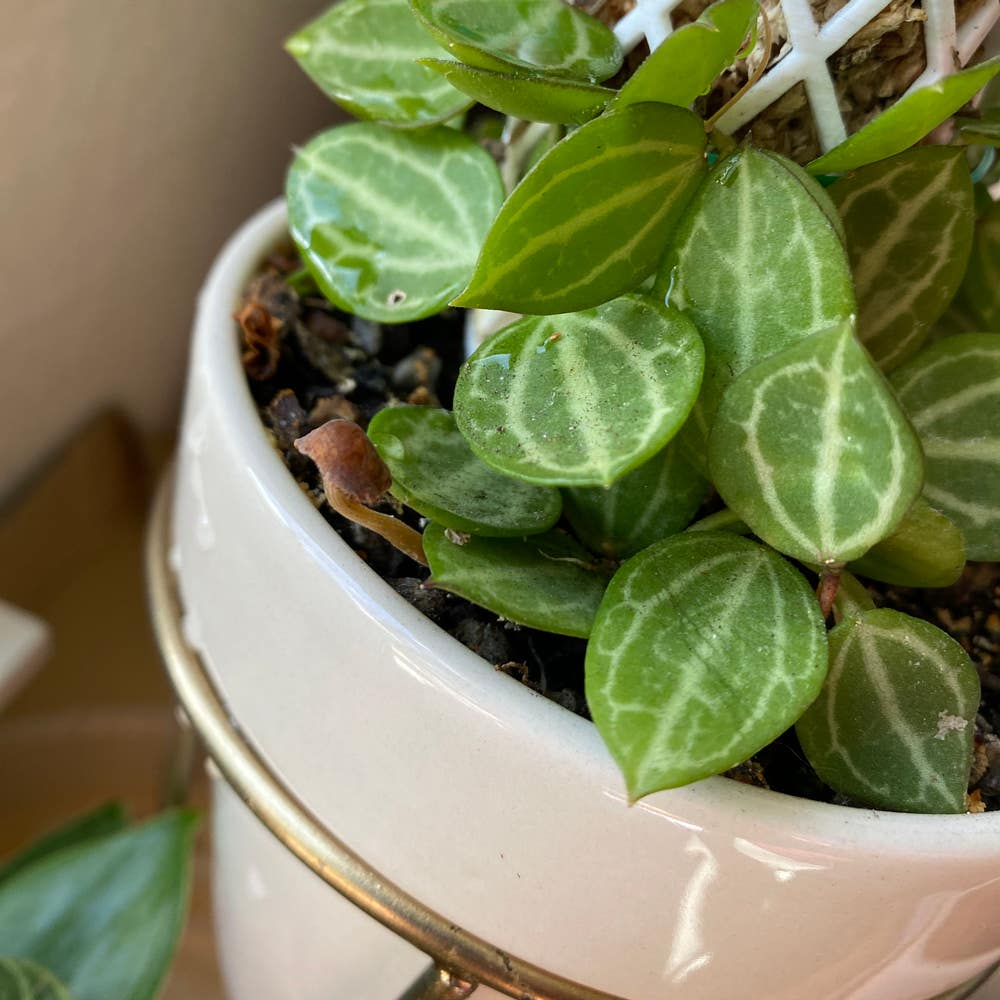
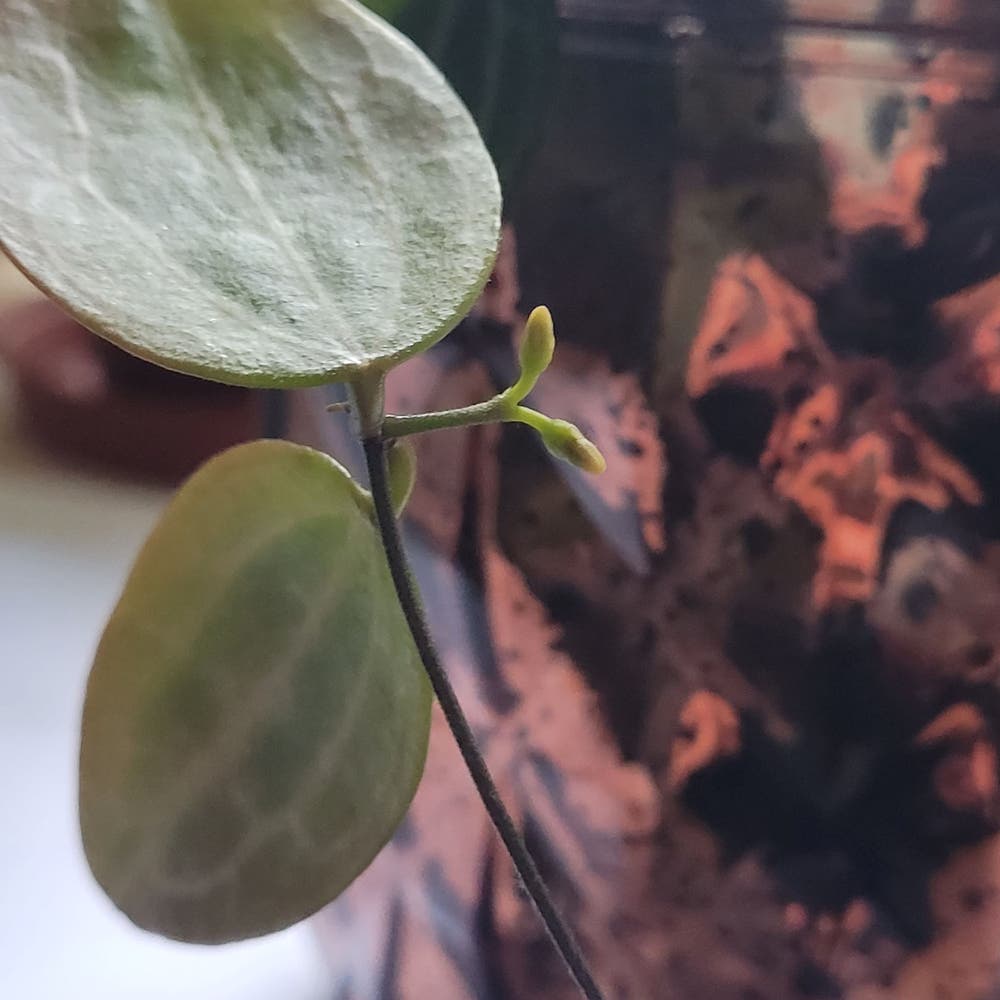
Best Time to Plant Your Watermelon Dischidia 🍉
Dischidia ovata
By the Greg Editorial Team
Oct 17, 2024•6 min read
This article was created with the help of AI so we can cover more plants for you. May contain errors. See one? Report it here.
Unlock a thriving Watermelon Dischidia garden by mastering the perfect planting timing! 🌱
- 🌱 Plant Watermelon Dischidia after the last frost for optimal growth.
- 🌡️ Soil must be above 70°F (21°C); use a thermometer for accuracy.
- 📅 Timing varies by region; consult local guides for best planting windows.
Frost Dates
Importance 🌨️
Watermelon Dischidia is particularly sensitive to frost. Exposure to frost can damage or even kill the plant, making it crucial to plant only after the last frost date in your area.
Finding Local Frost Dates 🗺️
To determine your local frost dates, start with the USDA Plant Hardiness Zone Map. This resource provides valuable insights into your region's climate, helping you pinpoint the best planting times.
Additionally, local agricultural extension services can offer tailored advice. They often have specific data on frost dates and can guide you in planning your planting schedule effectively.
Understanding frost dates is essential for successful gardening. By timing your planting right, you can ensure your Watermelon Dischidia thrives without the threat of frost damage.
Next, let’s explore how soil temperature plays a vital role in the growth of your plants.
Soil Temperature
Ideal Conditions 🌡️
For Watermelon Dischidia to thrive, soil temperatures need to be above 70°F (21°C). This warmth is crucial for promoting healthy growth and robust flowering.
Measurement Techniques 📏
To ensure your soil is warm enough, use a soil thermometer. The best times to check the temperature are early morning or late afternoon, when the soil is most stable.
Soil Warming Techniques ☀️
If your soil isn't warm enough, consider using black plastic mulch. This technique absorbs sunlight and raises the soil temperature effectively. Row covers can also help trap heat and protect young plants from cooler nights.
Understanding soil temperature is vital for successful planting. With the right conditions, your Watermelon Dischidia will flourish, setting the stage for a bountiful harvest. Next, let’s explore how day length impacts your planting strategy.
Day Length
🌅 Photoperiod
Day length plays a crucial role in the growth and flowering of Watermelon Dischidia. Longer days signal the plant to ramp up its growth, leading to more vigorous development and abundant blooms.
🌍 Seasonal Variations
As the seasons change, so does the length of daylight. This variation affects when you should plant your Watermelon Dischidia, making it essential to consider local day length when planning your garden.
Understanding these factors can help you optimize your planting schedule, ensuring your plants thrive. With the right timing, you can enjoy a bountiful harvest and vibrant blooms.
Next, let’s explore regional planting considerations to tailor your approach based on where you live.
Regional Planting Considerations
🌴 Florida
The best time to plant Watermelon Dischidia in Florida is from March to April. This timing allows the plants to thrive in the warm, humid climate typical of the region.
🌞 California
In California, aim to plant between April and May. The state's diverse climate means that this window provides optimal conditions for growth.
🤠 Texas
For Texas gardeners, March to April is ideal for planting. The warm temperatures during this period support healthy development.
🗽 New York
In New York, the planting window shifts to late May through June. This timing ensures that the risk of frost has passed, allowing for robust growth.
🏔️ Colorado
Colorado gardeners should wait until June to plant. The cooler climate necessitates a later start to avoid frost damage.
🌰 Ohio
In Ohio, the best time to plant is late May to early June. This period aligns with the warming soil temperatures needed for successful growth.
Understanding these regional planting considerations is crucial for achieving the best results with your Watermelon Dischidia. Next, let’s explore effective seed starting techniques to ensure your plants get the best possible start.
Seed Starting Techniques
🌱 Indoor vs. Direct Sowing
Starting your Watermelon Dischidia seeds indoors can give you a head start. Aim to begin 6-8 weeks before your area's last frost date.
For those who prefer direct sowing, wait until after the last frost when soil temperatures are just right. This ensures your seeds have the best chance to thrive.
⏰ Timing Considerations
Creating the perfect environment for indoor seed starting is crucial. Maintain a temperature of at least 70°F (21°C) and provide 12-16 hours of light each day.
Once your seedlings are ready, it's time to transplant them. Remember to harden them off for 7-10 days to acclimate them to outdoor conditions. This step is vital for their survival and growth.
By understanding these seed starting techniques, you can set your Watermelon Dischidia up for success. Next, let’s explore the comprehensive planting guide for all 52 states to ensure you’re planting at the right time.
Comprehensive Planting Guide
All 52 States 🍉
When it comes to planting Watermelon Dischidia, timing is everything. Here’s a month-by-month breakdown for each state to help you get it just right:
| State | Recommended Planting Month(s) |
|---|---|
| Florida | March to April |
| California | April to May |
| Texas | March to April |
| New York | Late May to June |
| Colorado | June |
| Ohio | Late May to early June |
This guide ensures you’re planting during the optimal window for your region. Remember, local climate variations can affect these timelines, so always keep an eye on your specific conditions.
Key Factors Recap 📋
Understanding the key factors that influence planting timing is crucial.
- Frost Dates: Always plant after the last frost date to avoid damage.
- Soil Temperature: Aim for soil temperatures above 70°F (21°C) for the best growth.
- Day Length: Longer days encourage more vigorous growth and flowering.
By keeping these factors in mind, you can ensure a successful planting season for your Watermelon Dischidia. Ready to dig in? Let’s explore seed starting techniques next!
⚠️ Safety First
This content is for general information and may contain errors, omissions, or outdated details. It is not medical, veterinary advice, or an endorsement of therapeutic claims.
Always consult a qualified healthcare professional before using any plant as food, medicine, or supplement.
Never eat any plant (or feed one to pets) without confirming its identity with at least two trusted sources.
If you suspect poisoning, call Poison Control (800) 222-1222, the Pet Poison Helpline (800) 213-6680, or your local emergency service immediately.
Spotted an error? Please report it here.
Plant your Watermelon Dischidia at the right time 🌱 with Greg's tailored reminders and tips to ensure your plants thrive in optimal conditions!