🍉 How Long Your Watermelon Dischidia Will Live
Dischidia ovata
By the Greg Editorial Team
Oct 17, 2024•5 min read
This article was created with the help of AI so we can cover more plants for you. May contain errors. See one? Report it here.
Nurture your Watermelon Dischidia from seed to bloom 🌱 for a thriving garden that flourishes year after year!
- 🌱 Watermelon Dischidia can live 5 to 10 years with optimal care and conditions.
- 🌞 Germination takes 2 to 4 weeks; ensure proper temperature and moisture for success.
- 🌼 Flowering occurs 1 to 2 years after planting, crucial for seed production.
Germination Stage
🌱 Duration of Germination
The typical germination period for Watermelon Dischidia ranges from 2 to 4 weeks. Several factors can influence this speed, including temperature, moisture, and light exposure.
🌡️ Conditions for Successful Germination
To ensure successful germination, maintain an optimal temperature range of 25°C to 30°C (77°F to 86°F).
Soil Requirements
Use a well-draining, moist substrate to provide the right environment for your seeds.
Light Conditions
Indirect sunlight is crucial; it helps prevent overheating and supports healthy growth.
By paying attention to these conditions, you can set the stage for a thriving Watermelon Dischidia. Next, let’s explore the seedling stage and what to expect as your plant begins to develop.
Seedling Stage
Length of Seedling Development 🌱
The seedling stage lasts about 4 to 8 weeks until your Watermelon Dischidia develops its true leaves. During this time, several factors can influence growth, including light availability, humidity, and how often you water.
Notable Characteristics During This Stage 🍀
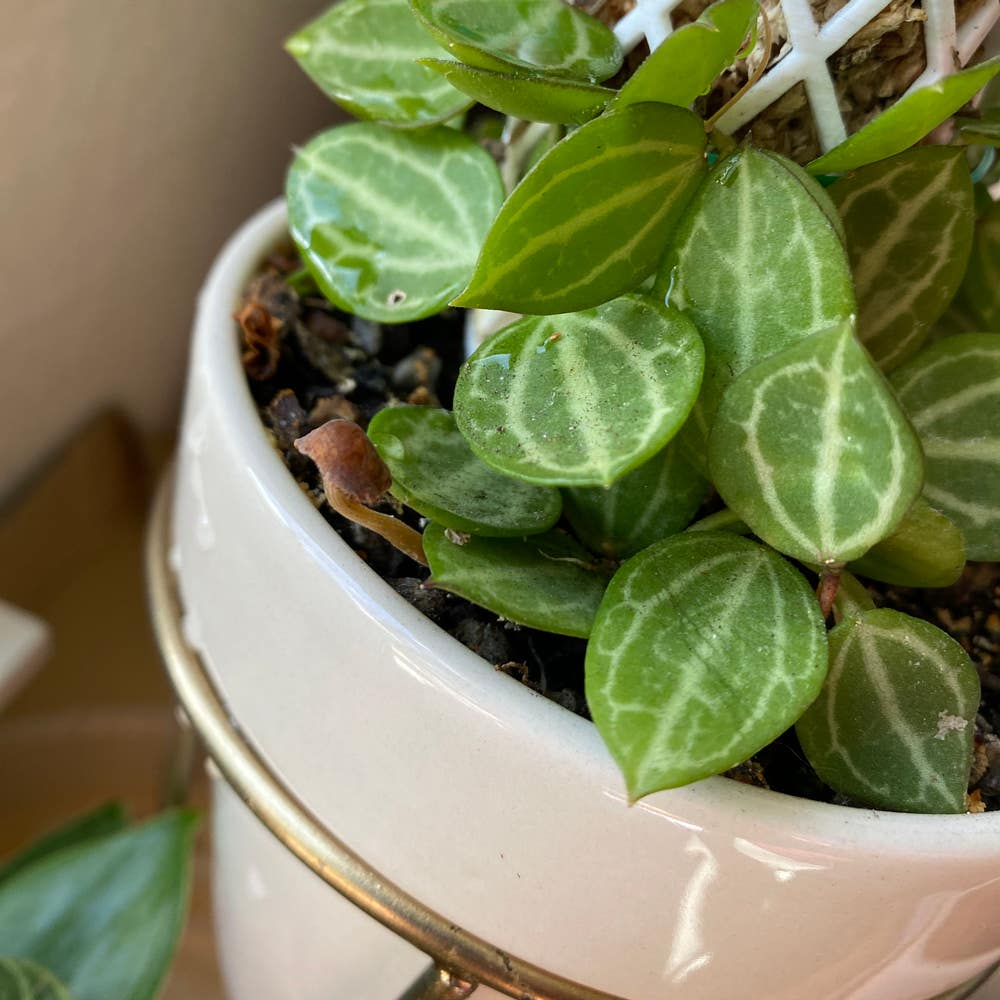
Initially, you'll notice small, round leaves that resemble coins. This is a sign that your plant is on the right track, albeit with a slow but steady growth habit as it establishes its root system.
Importance of Humidity 💧
Humidity plays a crucial role in the health of your seedlings. High humidity levels can significantly promote healthy growth, making it essential to maintain a suitable environment.
As your seedlings develop, keep an eye on their progress. The transition from tiny leaves to more robust foliage is an exciting part of the journey. Next, we’ll explore the vegetative growth phase, where your plant will really start to take off!
Vegetative Growth
Duration of Vegetative Growth 🌱
The vegetative growth phase of your Watermelon Dischidia typically lasts between 6 months to 1 year. This duration can vary based on environmental conditions, such as light and humidity.
Growth Rate 🚀
Under optimal conditions, expect a rapid growth rate. Your plant can significantly increase in size, showcasing its resilience and adaptability.
Changes in Appearance and Health 🌿
As your Watermelon Dischidia matures, you'll notice substantial changes in its appearance. Leaves will grow larger and become more succulent, adding to the plant's lush look.
Growth Habit 🧗♀️
During this stage, the plant exhibits a trailing or climbing nature. It naturally seeks support, which is essential for its growth and overall health.
Health Indicators 🌟
A vibrant green color and robust leaf structure are key indicators of a healthy plant. These signs reflect not just vitality but also the right care and conditions.
This phase is crucial for setting the foundation for future growth and flowering. Understanding these dynamics will help you nurture your plant effectively as it transitions into the next stages of its lifecycle.
Flowering Phase
Timeframe for Flowering 🌱
The average time for your Watermelon Dischidia to bloom is between 1 to 2 years after planting. Several factors can influence this timeframe, including the age of the plant, environmental conditions, and the care practices you implement.
Description of Flowers and Pollination 🌼
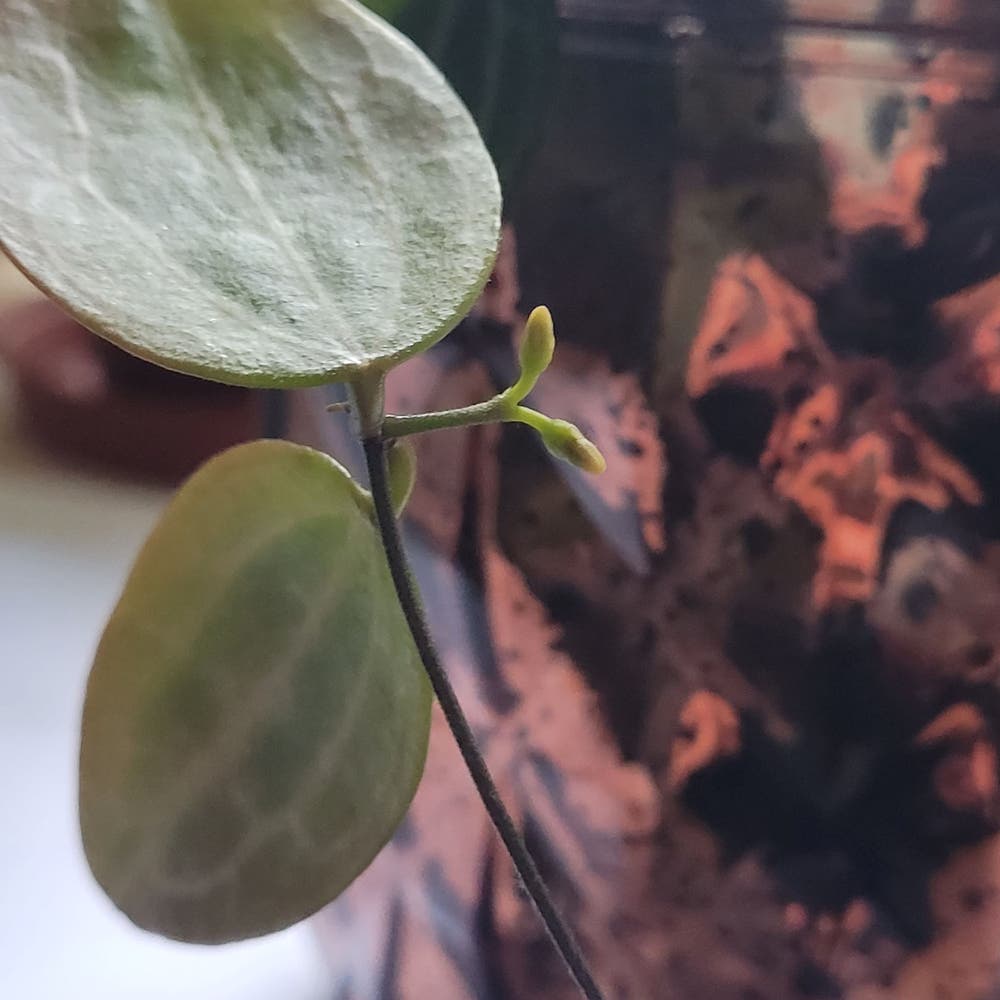
Expect small, fragrant flowers that not only look charming but also attract pollinators. These flowers primarily rely on insects for pollination, although self-pollination is also a possibility.
Importance of Flowering 🌸
Flowering is crucial for the plant's reproductive cycle and seed production. Without this phase, the lifecycle of your Watermelon Dischidia would be incomplete, limiting its ability to propagate and thrive.
In summary, understanding the flowering phase is essential for nurturing your plant effectively. This knowledge sets the stage for the next exciting step: seed production.
Seed Production
Duration and Conditions for Seed Production 🌱
After flowering, your Watermelon Dischidia typically takes about 2-3 months to develop seeds. This timeframe can vary based on environmental factors, but warm temperatures and adequate moisture are crucial for successful seed development.
Importance of Seed Production in Lifecycle 🌍
Seed production plays a vital role in the plant's lifecycle. Collecting seeds allows for future propagation, ensuring that your gardening efforts can continue year after year.
Additionally, seeds contribute to genetic diversity, which is essential for the species' survival. This diversity helps the plant adapt to changing environments and resist diseases.
Overall Lifespan and Notable Changes ⏳
Under optimal conditions, your Watermelon Dischidia can live between 5 to 10 years. As it matures, the plant transitions from a juvenile to a more established form, showcasing notable changes in its appearance.
You may notice variations in leaf size and color as the plant ages. A healthy, mature plant will exhibit vibrant leaves and a robust structure, signaling its reproductive maturity.
As the plant grows older, its ability to produce flowers and seeds increases, making it a more valuable addition to your garden. This journey from seed to maturity is not just about survival; it's about thriving and contributing to the ecosystem.
With this understanding of seed production, you're now equipped to nurture your Watermelon Dischidia through its various life stages. Next, let's explore the fascinating flowering phase and what it entails for your plant's development.
⚠️ Safety First
This content is for general information and may contain errors, omissions, or outdated details. It is not medical, veterinary advice, or an endorsement of therapeutic claims.
Always consult a qualified healthcare professional before using any plant as food, medicine, or supplement.
Never eat any plant (or feed one to pets) without confirming its identity with at least two trusted sources.
If you suspect poisoning, call Poison Control (800) 222-1222, the Pet Poison Helpline (800) 213-6680, or your local emergency service immediately.
Spotted an error? Please report it here.
Nurture your Watermelon Dischidia to thrive for up to 10 years 🌿 with Greg's tailored care reminders that ensure optimal conditions for every growth stage!