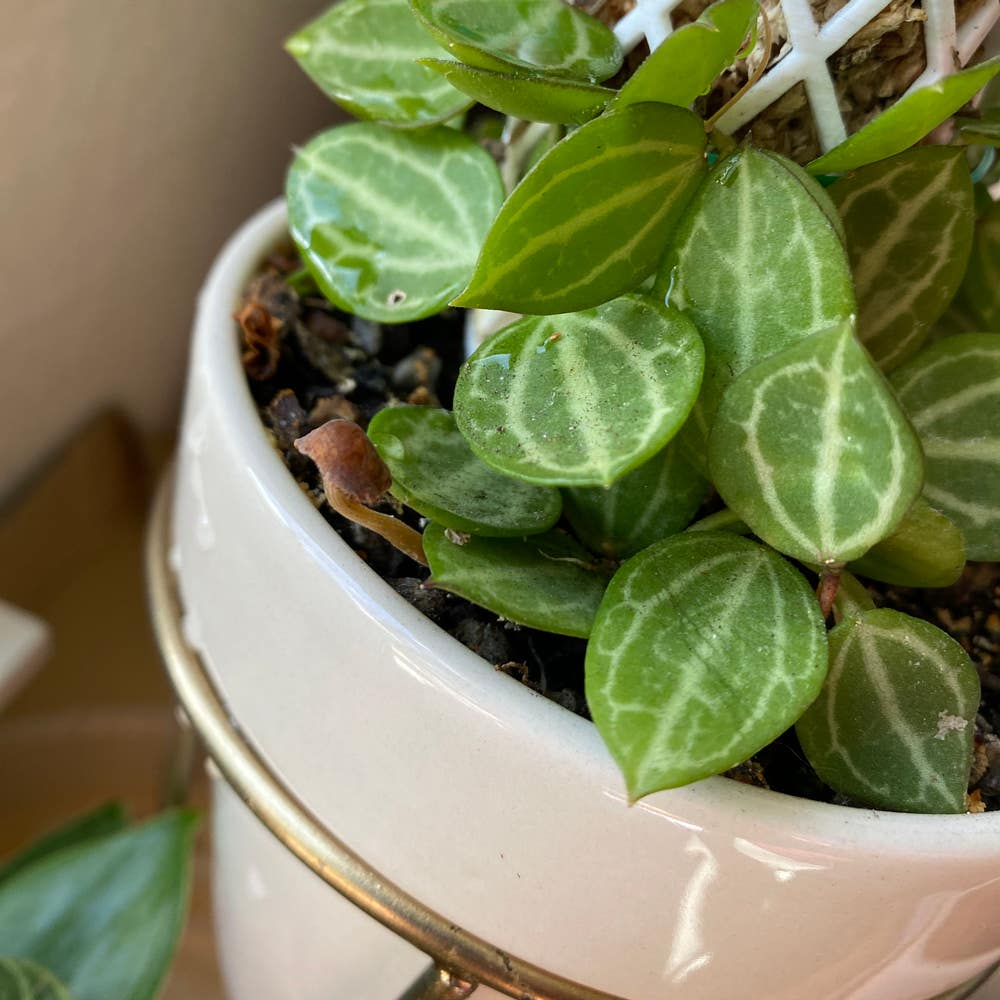
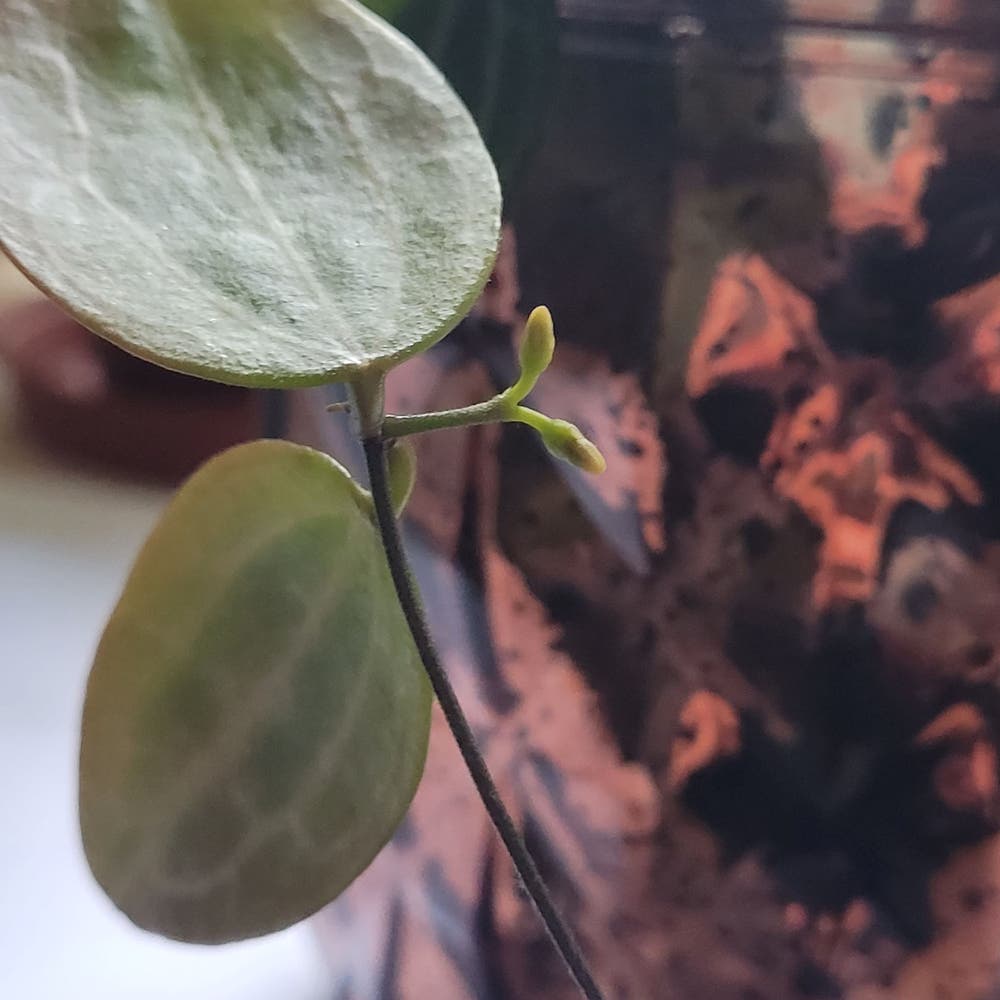
🍉 Fertilizing My Watermelon Dischidia
Dischidia ovata
By the Greg Editorial Team
Jun 18, 2024•4 min read
This article was created with the help of AI so we can cover more plants for you. May contain errors. See one? Report it here.
Nurture a thriving Watermelon Dischidia 🍉 with expert fertilization tips for lush growth and health!
- NPK ratios matter: Nitrogen for growth, Phosphorus for roots, Potassium for health.
- Seasonal fertilizing: Vigorous in spring/summer, restful in winter.
- Over-fertilization signs: Leaf browning, yellowing, soil crust; flush soil if needed.
Picking the Perfect Fertilizer
💡 What's in the Mix: Understanding NPK Ratios
NPK ratios are the backbone of fertilizer composition. Nitrogen (N) is for leafy growth, Phosphorus (P) for roots and blooms, and Potassium (K) for overall health. A balanced 10-10-10 mix is a safe bet for Watermelon Dischidia. But don't overlook micronutrients; they're crucial for plant vitality.
🍽️ Liquid Gold: Choosing Between Liquid and Granular Options
Liquid fertilizers offer a quick nutrient hit, perfect for an immediate boost. Granular types, on the other hand, release nutrients over time, providing a long-term feed. Your maintenance style and your plant's needs will dictate the best choice.
🌱 Special Brews: Considering Organic vs. Synthetic Fertilizers
Organic fertilizers enrich the soil ecosystem, releasing nutrients as plants need them. Synthetic options can give more precise NPK calibration but often lack micronutrients. It's a toss-up: immediate results with synthetics or long-term soil health with organics. Remember, over-fertilization is your plant's nemesis. Keep it balanced.

Timing is Everything: When to Fertilize
🌱 Growing Season Galore: Fertilizing When It Counts
Spring signals go-time for fertilizing your Watermelon Dischidia. This is when your plant shakes off dormancy and gears up for a season of vigorous growth. Kickstart the process by introducing a balanced fertilizer as new leaves unfurl. Think of it as a morning coffee for your plant – it sets the tone for the day, or in this case, the entire growing season.
During the summer months, maintain this momentum. Your Dischidia is in full swing, churning out fresh foliage that's as eager as a kid in a candy store. Keep the fertilizer coming, but don't go overboard. Moderation is your mantra; too much enthusiasm can lead to nutrient burn, and nobody wants that.
❄️ Winter Woes: When to Hold Back on Fertilizer
As the days shorten and the chill sets in, your Watermelon Dischidia's growth will slow down. This is the time to ease up on the fertilizing front. Continuing to feed your plant during this period can do more harm than good, encouraging tender growth that's as vulnerable as a snowman in a sauna.
Winter is a period of rest for your Dischidia, so let it snooze without the disturbance of extra nutrients. If you're in a warmer climate and your plant is still showing signs of growth, a light feeding may be warranted, but this is the exception, not the rule. Stay observant and adjust your care routine to your plant's actual needs, not the calendar's suggestions.

Fertilizing Step by Step
💧 Mixing It Right: Dilution Ratios Demystified
Dilution is key. Imagine your fertilizer as a mild tea rather than a strong espresso. Half-strength is the mantra here, protecting delicate roots from chemical burns. Use those handy oral medicine syringes for precision in measuring liquid fertilizers.
⏰ Frequency Matters: How Often to Fertilize
Monthly applications align with the Watermelon Dischidia's needs, syncing with watering schedules for the best uptake. Overdoing it? That's the fast track to nutrient overload and a plant's version of indigestion.
🌱 Application Techniques: Getting It to the Roots
Pour your nutrient mix at the root zone, avoiding leaf contact like avoiding spoilers for your favorite show. Think of it as a targeted dinner service for your plant's underground network. Post-application, water thoroughly to prevent any salt buildup, because nobody likes an over-salted meal, especially your Dischidia.

Recognizing and Rescuing from Over-Fertilization
🚨 Spotting Trouble: Symptoms of Too Much Love
Leaf browning, yellowing, and a white crust on the soil are distress flares from your Watermelon Dischidia. These symptoms scream "help!" and point to over-fertilization. Stunted growth is another red flag; it's your plant's way of saying it's had more than its fill of nutrients.
💊 First Aid for Fertilizer Fiascos: How to Mitigate Damage
When you've crossed the line from nurturing to nutrient nuking, stop fertilizing. Full stop. Give your plant a break. Flush the soil with water to wash away the excess - think of it as a detox spa for your plant's roots. If you see a mineral crust, gently remove it without stripping away too much soil. Severely damaged leaves? They've got to go. Prune them carefully to help your plant focus on recovery. And remember, after the emergency care, reassess your fertilizing strategy; sometimes less is truly more.
⚠️ Safety First
This content is for general information and may contain errors, omissions, or outdated details. It is not medical, veterinary advice, or an endorsement of therapeutic claims.
Always consult a qualified healthcare professional before using any plant as food, medicine, or supplement.
Never eat any plant (or feed one to pets) without confirming its identity with at least two trusted sources.
If you suspect poisoning, call Poison Control (800) 222-1222, the Pet Poison Helpline (800) 213-6680, or your local emergency service immediately.
Spotted an error? Please report it here.
Nurture your Watermelon Dischidia to peak lushness 🌱 by mastering fertilizer use with insights and reminders from Greg, ensuring your plant thrives without the guesswork.