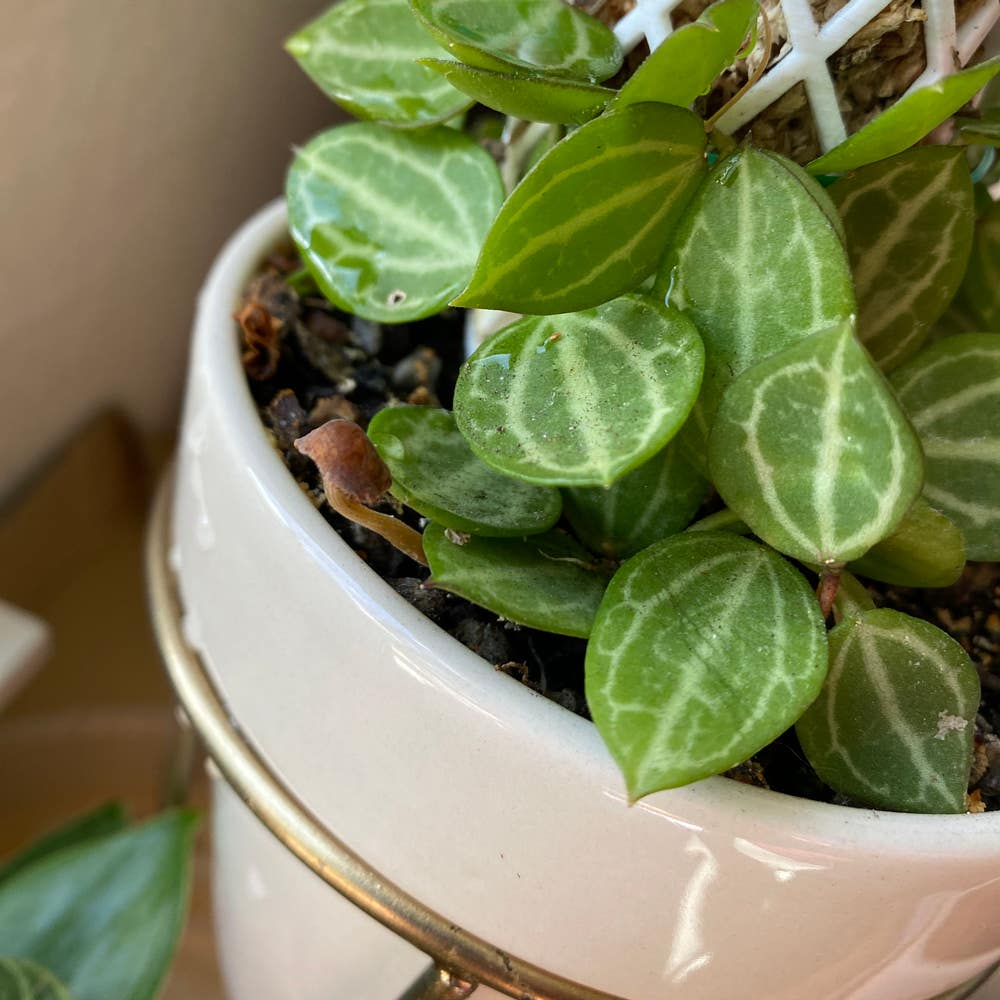
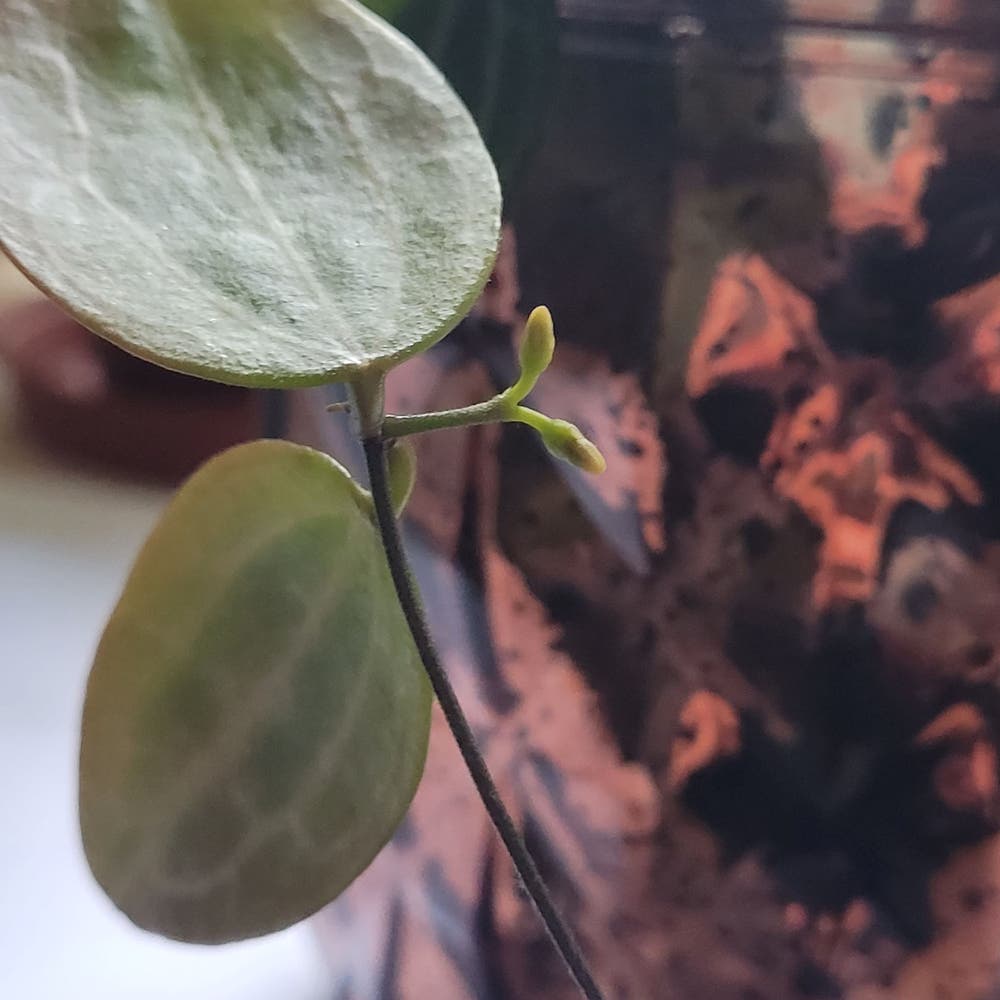
Why Are There Brown Spots on My Watermelon Dischidia?
Dischidia ovata
By the Greg Editorial Team
Jun 18, 2024•3 min read
This article was created with the help of AI so we can cover more plants for you. May contain errors. See one? Report it here.
Banish brown spots 🍉 and keep your Dischidia dazzling with these must-know plant care secrets! 🌟
- 🚫 Overwatering causes brown spots; check soil dampness before watering.
- 🍄 Fungal infections need isolation and possibly fungicides.
- 🐞 Combat pests with neem oil or insecticidal soap; inspect plants monthly.
Spotting the Trouble: Common Causes of Brown Spots
💧 Too Much Love: The Perils of Overwatering
Yellowing leaves and a general look of unhappiness might be your Dischidia's way of saying, "Ease up on the H2O, buddy." Overwatering can suffocate roots, leading to those unwanted brown spots.
Tweak your watering routine by sticking a finger in the soil. If it's damp, hold off on the waterworks. Remember, your Dischidia isn't a fan of wet feet.
🍄 Uninvited Guests: Fungal Foes
Fungal infections are like that awkward guest who overstays their welcome, leaving a mess of brown spots in their wake. These spots often come with a distinctive pattern, like concentric rings or halos.
To kick fungi to the curb, isolate your plant and snip off the affected areas. Consider a fungicide, but don't forget the power of prevention—proper airflow is your best friend here.
🐜 Tiny Troublemakers: Pest Problems
Pests are the freeloaders of the plant world, causing chaos and leaving behind telltale signs like sticky residue or visible bugs. They love to feast on your Dischidia, leaving brown spots as souvenirs.
Show these critters the door with natural pest control methods. Neem oil or insecticidal soap can be your go-to for a pest-free plant life. Regular inspections will help you catch any party crashers early.

First Aid for Your Foliage: Treating Brown Spots
💧 Dialing Back on the H2O
Watering should be more art than science. Find the sweet spot for your Dischidia by checking the soil's top inch; if it's dry, it's time to water. If not, your plant can wait.
Invest in a moisture meter to take the guesswork out of watering. It's like having a plant nanny telling you when to hydrate your green buddy.
🍄 Fungus Among Us: Getting Rid of the Mold and Mildew
When mold and mildew crash your plant party, it's time to bring out the big guns. Fungicides can be effective, but remember, they're not candy—use them as directed.
For those preferring a more DIY approach, concoct a home remedy with baking soda or neem oil. Keep your plant's environment as fungus-unfriendly as possible by managing humidity and air flow.
🐜 Pest Patrol: Safeguarding Your Plant
Going green with pest control? Introduce beneficial insects or use insecticidal soaps to show those bugs the door.
Regular plant check-ups are crucial. Like a dental cleaning, they prevent major issues down the line. Keep an eye out for pests, and you'll keep those brown spots in check.

Keeping Spots at Bay: Prevention Tactics
🚰 Ensuring the Perfect Puddle: Drainage Dos and Don'ts
Potting mix should be to your Dischidia what a memory foam mattress is to your back—supportive and breathable. Go for a mix that scoffs at water retention, like a gritty mix with perlite or sand. Your pot's bottom needs holes more than a Swiss cheese, ensuring water runs through like a gossip in a small town.
💨 Breezy Business: Promoting Air Flow
Air circulation is like the plant's personal space—necessary and refreshing. Position your Dischidia where the air can do the tango around it, avoiding stagnant, humid corners that invite fungal raves. Think of it as setting up a dance floor for a breath of fresh air.
👩🌾 Vigilant Plant Parenting: Regular Health Checks
Embrace your inner plant detective with a monthly inspection. Check under the leaves, around the stems, and in the soil for any signs of distress. It's like a monthly check-up, but instead of a cold stethoscope, it's your warm, caring hands on the greenery.

⚠️ Safety First
This content is for general information and may contain errors, omissions, or outdated details. It is not medical, veterinary advice, or an endorsement of therapeutic claims.
Always consult a qualified healthcare professional before using any plant as food, medicine, or supplement.
Never eat any plant (or feed one to pets) without confirming its identity with at least two trusted sources.
If you suspect poisoning, call Poison Control (800) 222-1222, the Pet Poison Helpline (800) 213-6680, or your local emergency service immediately.
Spotted an error? Please report it here.
Keep your Watermelon Dischidia spot-free 🍉 with Greg's custom reminders for watering and treatment, ensuring your plant stays healthy and happy.