3 Perfect Plant Partners for Watermelon Dischidia 🍉
Dischidia ovata
By the Greg Editorial Team
Oct 17, 2024•4 min read
This article was created with the help of AI so we can cover more plants for you. May contain errors. See one? Report it here.
Boost your garden's health 🌱 by pairing Watermelon Dischidia with ideal companion plants for a thriving ecosystem!
- 🌱 Watermelon Dischidia thrives in high humidity and low light; choose companions wisely.
- 🌿 Pothos and Spider Plants are ideal companions, enhancing growth and deterring pests.
- ❌ Avoid cacti and lavender; they stress Watermelon Dischidia with dry conditions.
Ideal Companion Plants for Watermelon Dischidia
Plant 1: Pothos 🌿
Pothos is a fantastic companion for Watermelon Dischidia due to its similar humidity and light requirements. Thriving in low light and high humidity, this plant is perfect for beginners, as it’s easy to care for.
Its climbing nature beautifully complements the epiphytic growth of Watermelon Dischidia. This synergy not only enhances your garden's aesthetic but also creates a harmonious environment for both plants.
Plant 2: Spider Plant 🕷️
The Spider Plant is another excellent choice, known for its ability to deter common pests like aphids and spider mites. Its adaptability to similar growing conditions makes it a perfect partner for Watermelon Dischidia.
Beyond its pest-repelling properties, the Spider Plant adds visual diversity with its attractive foliage. This makes it not just functional but also a beautiful addition to your garden.
Plant 3: Ferns 🍃
Ferns thrive in humid environments, providing a lush backdrop for Watermelon Dischidia. Their soft, feathery leaves create a stunning contrast, enhancing the overall visual appeal of your plant arrangement.
Additionally, ferns benefit from the same low light conditions, making them compatible partners. Their moderate care requirements make them a great choice for those looking to diversify their plant collection.
These companion plants not only support the health of Watermelon Dischidia but also elevate the beauty of your garden. As you explore these options, consider how each plant can contribute to a thriving ecosystem.
Plants to Avoid Near Watermelon Dischidia
🌵 Plant 1: Cacti
Cacti are not suitable companions for Watermelon Dischidia due to their drastically different water and humidity needs. While Watermelon Dischidia thrives in high humidity, cacti prefer dry conditions, which can lead to stress for both plants.
Additionally, cacti can compete for nutrients and space, making it challenging for Watermelon Dischidia to flourish. This competition can stunt growth and diminish the overall health of your garden.
🌸 Plant 2: Lavender
Lavender also poses challenges when planted near Watermelon Dischidia. It prefers drier, well-drained soil, which conflicts with the moisture-loving nature of Watermelon Dischidia.
Moreover, the strong scent of lavender may deter beneficial insects that support the health of Watermelon Dischidia. This can lead to increased vulnerability to pests and diseases, making it a less-than-ideal neighbor in your garden.
By avoiding these plants, you can create a more harmonious environment for your Watermelon Dischidia to thrive. Next, let’s explore effective pest management strategies that can further enhance your plant's health.
Pest Management Strategies
🌱 Role of Companion Plants in Pest Management
Companion plants play a crucial role in pest management by acting as natural deterrents. Certain plants can repel harmful insects, reducing the need for chemical interventions.
🌍 Creating a Balanced Ecosystem
A diverse planting strategy helps create a balanced ecosystem that attracts beneficial insects. These allies can help control pest populations naturally, promoting a healthier garden environment.
🐞 Common Pests Affecting Watermelon Dischidia
Watermelon Dischidia can face several common pests, including aphids, spider mites, and mealybugs. Understanding these threats is essential for effective management.
🌿 Companion Plant Strategies
Using pest-repellent plants is a smart strategy to minimize infestations. For instance, pairing Watermelon Dischidia with companion plants like Spider Plants can deter pests while enhancing overall garden health.
🌼 Benefits of Companion Planting
Companion planting not only helps with pest control but also improves soil health and encourages pollinator activity. This synergy creates a thriving garden ecosystem that benefits all plants involved.
By integrating these pest management strategies, you can ensure your Watermelon Dischidia flourishes alongside its companions. Next, let’s explore how to enhance garden diversity with this unique plant.
Enhancing Garden Diversity with Watermelon Dischidia
Importance of Diverse Plantings in a Garden 🌼
Diversity in your garden is more than just a visual treat; it’s essential for a thriving ecosystem. A varied plant selection boosts soil health, attracts pollinators, and helps control pests naturally.
- Soil Health: Different plants contribute unique nutrients, enhancing soil fertility.
- Pollinator Attraction: A mix of flowers and foliage draws in bees and butterflies, vital for plant reproduction.
- Pest Control: Diverse plantings create a balanced environment that can deter pests and encourage beneficial insects.
How Watermelon Dischidia Contributes to Overall Garden Health 🍉
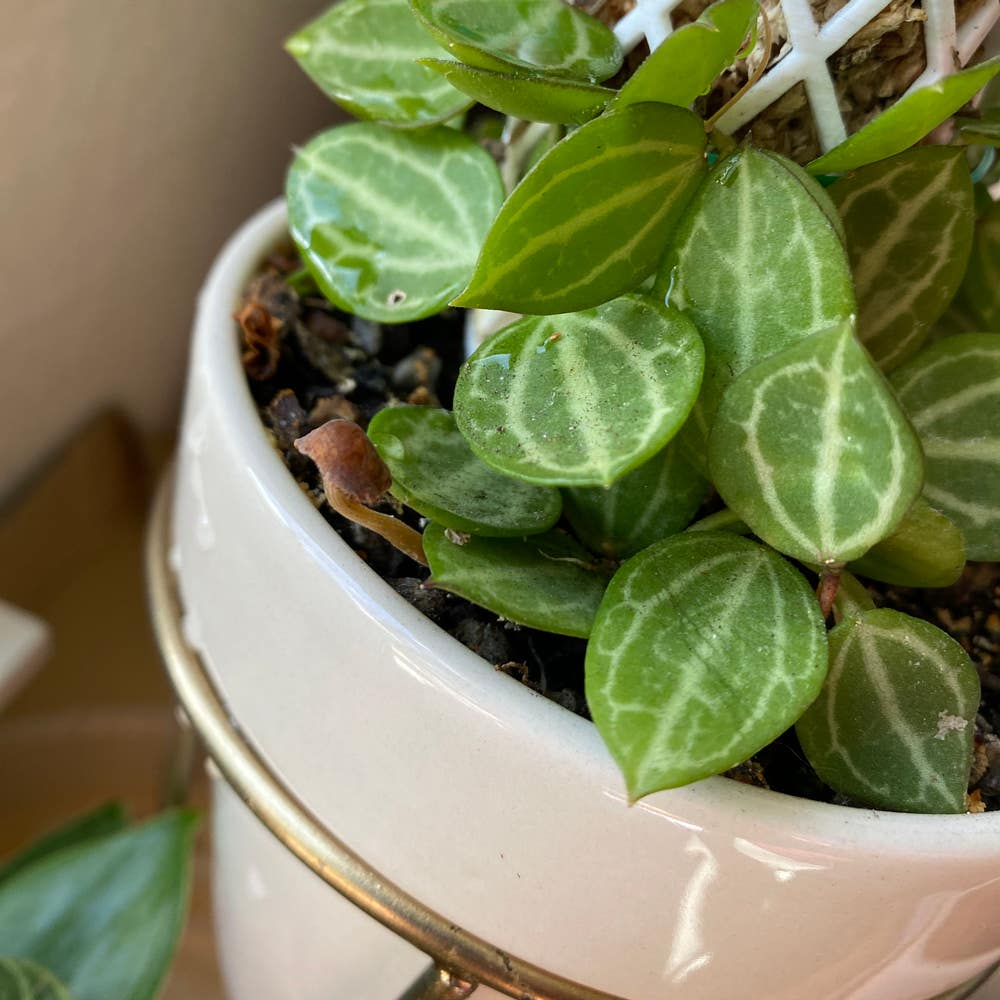
Watermelon Dischidia isn’t just a pretty face; it plays a significant role in your garden's ecosystem. As a tropical houseplant, it enhances humidity levels, creating a microclimate that benefits surrounding plants.
- Humidity Enhancement: Its lush foliage releases moisture, which can be especially beneficial in drier conditions.
- Visual Appeal: The unique, variegated leaves add a splash of color and interest, making your garden more inviting.
Incorporating Watermelon Dischidia into your garden not only elevates its aesthetic but also supports a healthier, more diverse environment. This plant is a fantastic choice for anyone looking to enrich their garden's biodiversity.
⚠️ Safety First
This content is for general information and may contain errors, omissions, or outdated details. It is not medical, veterinary advice, or an endorsement of therapeutic claims.
Always consult a qualified healthcare professional before using any plant as food, medicine, or supplement.
Never eat any plant (or feed one to pets) without confirming its identity with at least two trusted sources.
If you suspect poisoning, call Poison Control (800) 222-1222, the Pet Poison Helpline (800) 213-6680, or your local emergency service immediately.
Spotted an error? Please report it here.
Create a thriving plant community 🌿 by pairing your Watermelon Dischidia with Pothos and Spider Plants, and let Greg guide you with tailored care tips for a flourishing garden!