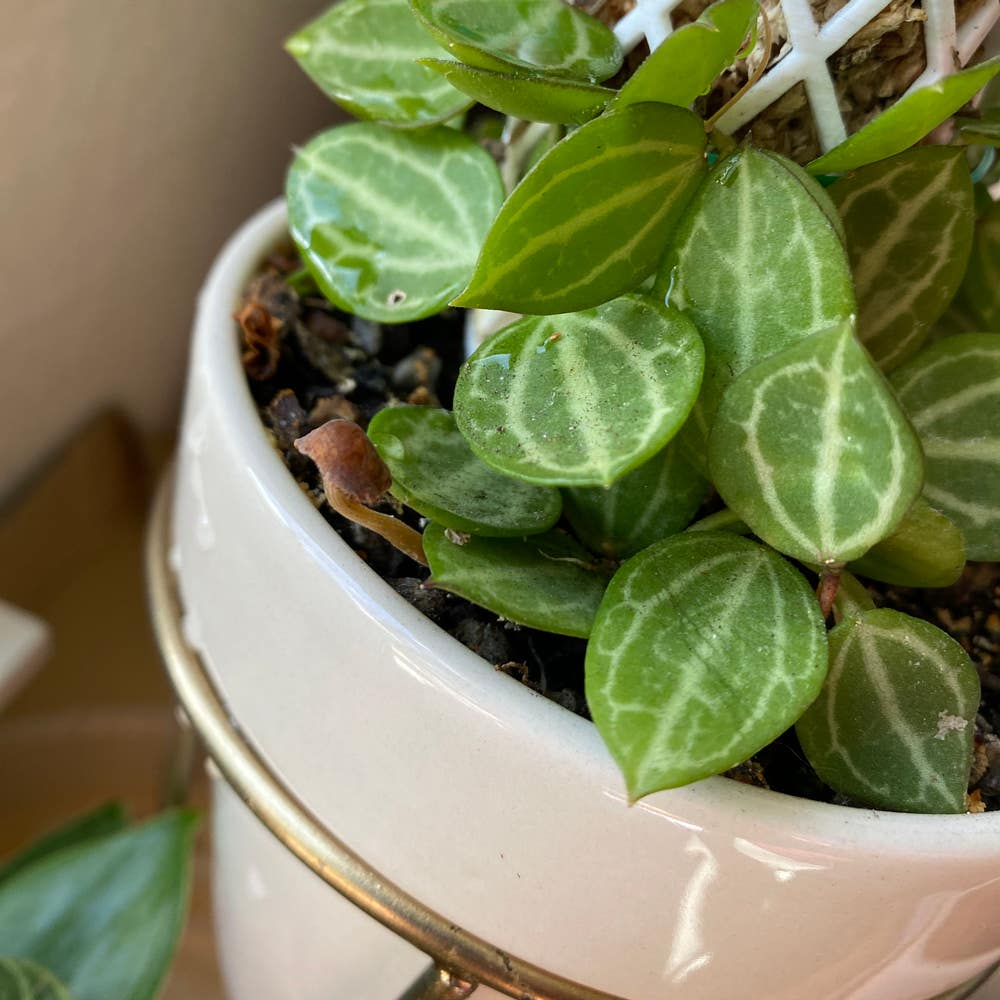
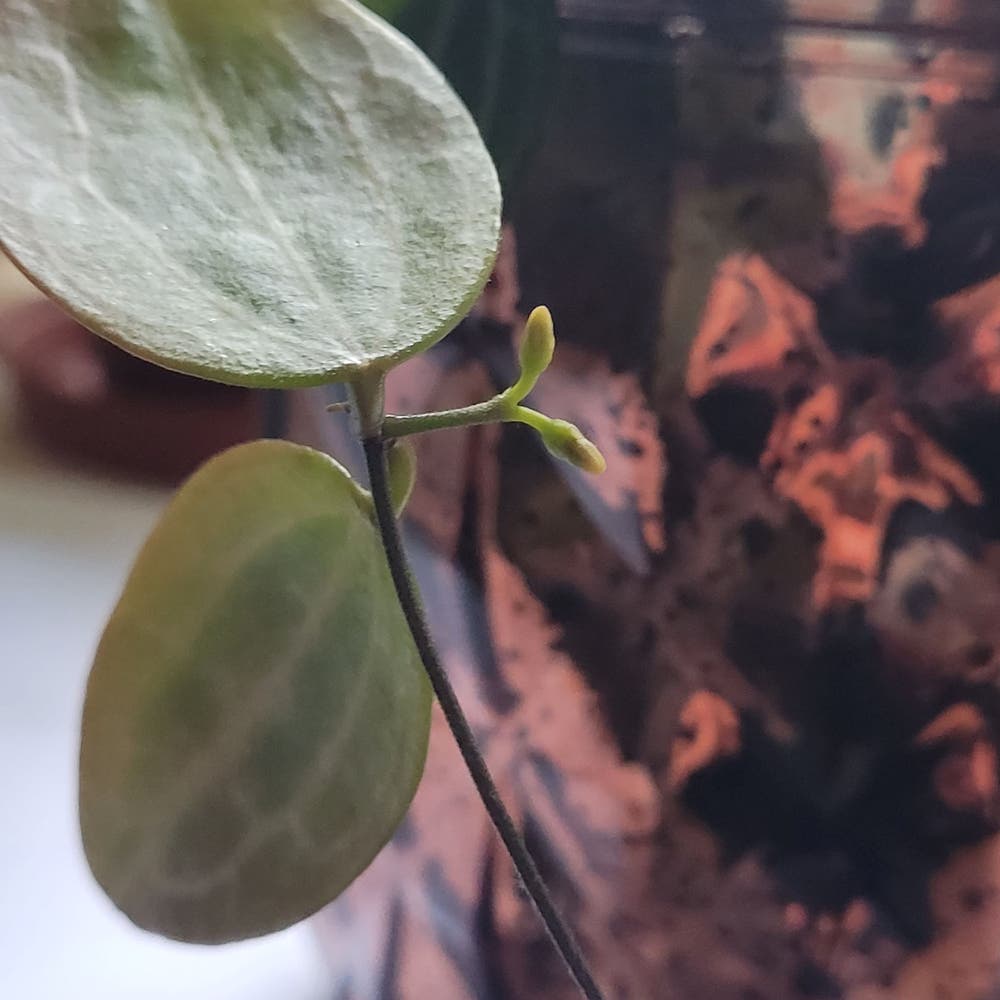
Light Requirements For My Watermelon Dischidia
Dischidia ovata
By the Greg Editorial Team
Jun 18, 2024•4 min read
This article was created with the help of AI so we can cover more plants for you. May contain errors. See one? Report it here.
Nurture vibrant Watermelon Dischidia blooms with the perfect light recipe—indoors or out! 🌞🌼
- 🌞 East or west-facing windows provide ideal indirect light.
- 💡 LED grow lights for 12-14 hours if natural light is lacking.
- 🌼 Light intensity and duration crucial for flowering.
Best Spots for Your Watermelon Dischidia
🏡 Indoors: Finding the Perfect Window
East or west-facing windows are the sweet spot for your Watermelon Dischidia, offering just the right amount of indirect light. Think of it as the plant's personal zen zone.
To shield your green friend from the occasional harsh sunbeam, sheer curtains are the way to go. They're like sunglasses for your plant—stylish yet functional.
🌳 Outdoors: Shady Retreats
For those who prefer the great outdoors, dappled sunlight is your Dischidia's best companion. It's like a cozy blanket of light, not too hot, not too cold.
Come summer, it's all about the shade. Strategies for summer shade include positioning your plant under a tree or using a pergola to prevent your Dischidia from turning into a crispy critter.

When the Sun's Too Shy: Grow Lights to the Rescue
💡 Choosing the Right Grow Light
Watermelon Dischidia thrives under specific light conditions. If your home can't offer enough natural sunlight, grow lights are a game-changer. LED grow lights are ideal—they're energy-efficient and can simulate the full spectrum of sunlight. Opt for lights that emit a balance of red and blue wavelengths; this combo caters to the plant's photosynthesis needs and supports robust growth.
Place your grow light to mirror the sun's journey across the sky. Aim for 12 to 14 hours of light per day to mimic natural daylight hours. Use a timer to maintain this cycle without fuss. It's like setting an alarm clock for your plant—only it tells your Dischidia when to wake up and when to hit the hay.
🕵️ Monitoring Your Plant's Response
Keep an eye on your Watermelon Dischidia's demeanor. If it's stretching out or its leaves are less vibrant, it's probably asking for more light. On the flip side, if the leaves show signs of burning or bleaching, it's time to dial back the intensity or duration of your grow lights.
Adjusting light levels is more art than science. It's about reading the room—or in this case, reading the plant. Observe and tweak; that's the mantra. Your Dischidia will let you know if it's basking in light bliss or if it's time to throw some shade (literally).

Let There Be Blooms: Light's Role in Flowering
🌸 Encouraging Flowers with Proper Lighting
Light intensity and duration are the secret sauce to getting your Watermelon Dischidia to put on a floral show. To trigger blooming, you'll want to provide a Goldilocks zone of brightness—not too harsh, not too dim.
Direct sunlight is a no-go; it's like giving your plant a sunburn. Instead, aim for that sweet spot of indirect light. It's like a gentle nudge, telling your Dischidia, "Hey, it's showtime!"
🌼 Balancing Light to Avoid Stress While Promoting Flowers
Balancing light is like being a DJ at a plant party—you want to keep the vibes just right. Too much light, and your Dischidia might as well be walking the desert without water. Too little, and it's like living in perpetual twilight—good for vampires, bad for blooms.
Keep an eye out for the plant's feedback. If it's stretching out like it's trying to grab something just out of reach, it's probably light-starved. If the leaves look like they've had a run-in with a toaster, dial back on the light. It's all about reading the room—or in this case, the leaves.

Light Care Tips and Tricks
🌞 Seasonal Adjustments
As the seasons change, so should your Watermelon Dischidia's spot in your home. Winter calls for a cozy nook near a bright window to compensate for the shorter days. Come summer, you might need to scoot it back to avoid the harsher light. It's like giving your plant a year-round ticket to the best seat in the house.
🕶️ When Too Much Light Strikes
Spotting a sunburnt Watermelon Dischidia isn't rocket science—look for scorched leaves. If it's looking more bleached than a 90s boy band member, it's time to move it out of the spotlight. On the flip side, if your plant's leaves are as pale as a ghost, it's begging for more light. Remember, balance is key—too much light and your plant's throwing shade, too little and it's lurking in the shadows. Use reflective materials to bounce light around like a DJ in a disco, and consider timers to keep the light party on schedule.
⚠️ Safety First
This content is for general information and may contain errors, omissions, or outdated details. It is not medical, veterinary advice, or an endorsement of therapeutic claims.
Always consult a qualified healthcare professional before using any plant as food, medicine, or supplement.
Never eat any plant (or feed one to pets) without confirming its identity with at least two trusted sources.
If you suspect poisoning, call Poison Control (800) 222-1222, the Pet Poison Helpline (800) 213-6680, or your local emergency service immediately.
Spotted an error? Please report it here.
Ensure your Watermelon Dischidia flourishes in just the right light by letting Greg tailor reminders 🌤 for when to draw the curtains or move your plant, making light management effortless.