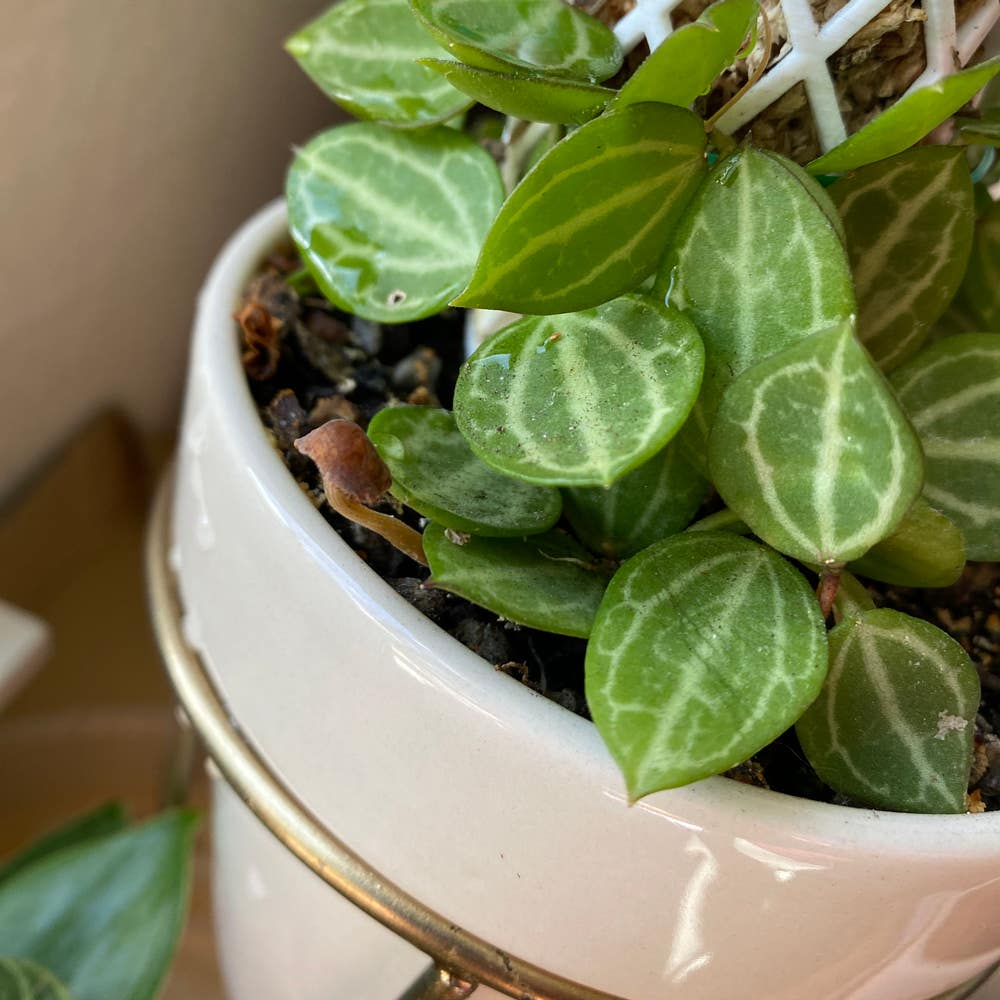
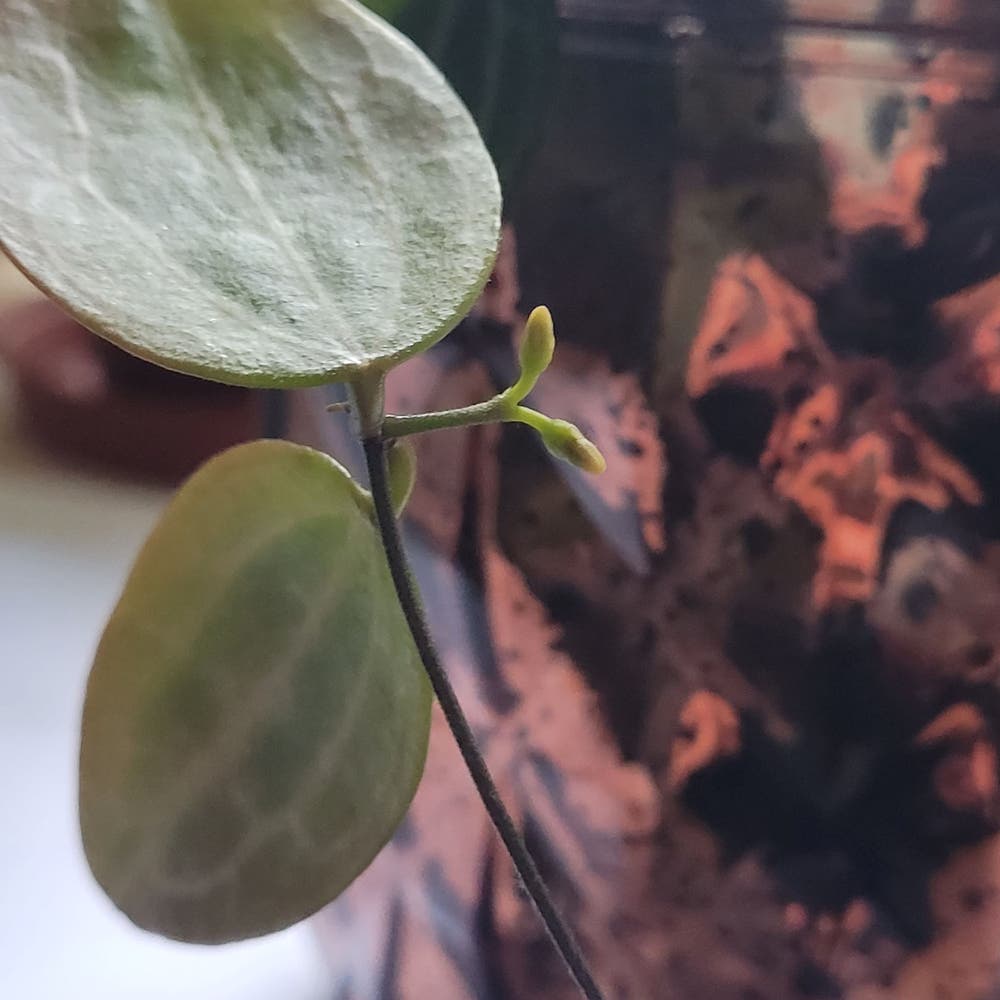
🍉 3 Essential Outdoor Watermelon Dischidia Care Routines
Dischidia ovata
By the Greg Editorial Team
Oct 17, 2024•5 min read
This article was created with the help of AI so we can cover more plants for you. May contain errors. See one? Report it here.
Master the art of caring for your watermelon dischidia 🌱 to ensure vibrant growth and resilience all year round!
- 🌞 Watermelon dischidia needs 4-6 hours of sunlight daily for optimal growth.
- 💧 Water weekly and check soil moisture to prevent yellowing leaves and root rot.
- 🌱 Use well-draining soil and fertilize monthly for healthy, thriving plants.
Sunlight Needs
Ideal Sunlight Exposure ☀️
For your outdoor watermelon dischidia, aim for 4-6 hours of direct sunlight daily. This plant thrives in full sun to partial shade, which is crucial for promoting healthy growth and vibrant leaf coloration.
Signs of Insufficient Light 🚫
If your plant is not getting enough light, you might notice etiolated growth, characterized by stretched stems and sparse leaves. Additionally, keep an eye out for leaf discoloration, such as yellowing or browning, which signals that your dischidia is craving more sunlight.
Understanding these sunlight needs is essential for nurturing your plant effectively. Next, let’s dive into the watering requirements to keep your dischidia thriving.
Watering Requirements
🌧️ General Watering Guidelines
Watering your Dischidia is straightforward. During the growing season, aim to water weekly, but be flexible—adjust based on rainfall and humidity levels.
Before you water, check the soil moisture. Make sure the top 1-2 inches of soil are dry to the touch; this ensures your plant gets the right amount of hydration without drowning.
🚰 Overwatering and Underwatering Signs
Overwatering can be a sneaky problem. Look out for yellowing leaves and signs of root rot; these are clear indicators that your plant is getting too much water.
On the flip side, underwatering shows up as wilting leaves and crispy edges. If you notice these symptoms, it’s time to give your Dischidia a drink.
By keeping an eye on these signs, you can maintain a healthy watering routine that supports vibrant growth. Next, let’s explore the ideal soil preferences for your Dischidia to thrive.
Soil Preferences
Ideal Soil Composition 🌱
For your Dischidia to thrive, a well-draining soil mix is essential. Combine potting soil, perlite, and orchid bark to create the perfect environment.
The ideal soil pH should range from slightly acidic to neutral, between 6.0 and 7.0. This balance ensures that your plant can absorb nutrients effectively.
Importance of Soil Drainage 💧
Proper soil drainage is crucial for preventing root rot, a common issue for Dischidia. Good drainage promotes healthy root development, allowing your plant to flourish.
Additionally, it enhances moisture retention without leading to waterlogging. This balance is key to keeping your plant happy and healthy.
With the right soil composition and drainage, your Dischidia will be set for success. Next, let’s explore the fertilization guidelines to keep your plant nourished.
Fertilization Guidelines
Fertilization Schedule 🌱
To keep your outdoor watermelon dischidia thriving, fertilize monthly during the growing season, which spans spring and summer. Opt for a balanced, water-soluble fertilizer with an NPK ratio of 10-10-10 for optimal results.
Signs of Nutrient Deficiency ⚠️
Watch for yellowing leaves, a clear sign of nitrogen deficiency. If you notice stunted growth, it may indicate a lack of essential nutrients, signaling that it’s time to reassess your fertilization routine.
By maintaining a consistent fertilization schedule, you’ll ensure your watermelon dischidia remains healthy and vibrant. Next, let’s explore how to protect your plant from weather extremes and pesky pests.
Protection from Weather and Pests
🌧️ Weather Protection Strategies
Protecting your Dischidia from extreme weather is crucial for its health. During cold snaps, use frost cloths or bring containers indoors to shield them from frost damage.
In hotter months, consider using shade cloth. This will help prevent sunburn and keep your plant thriving in intense heat.
🐞 Common Outdoor Pests and Control Methods
Aphids are a common nuisance for outdoor plants. Look for curled leaves as a sign of their presence; control them effectively with insecticidal soap.
Mealybugs can also be problematic, appearing as cotton-like masses on leaves. You can remove them manually or apply neem oil for a more thorough treatment.
🦠 Diseases Affecting the Plant
Root rot is a significant concern, often caused by overwatering. To prevent this, ensure your plant has proper drainage.
Leaf spot is another issue, typically a fungal disease. Treat it with fungicides and improve air circulation around your plant to minimize the risk.
By taking these protective measures, you can help your Dischidia flourish despite the challenges posed by weather and pests. Next, let’s explore the seasonal care routines that will keep your plant in top shape throughout the year.
Seasonal Care
🌱 Seasonal Changes and Their Impact
Spring is the time when your Dischidia truly comes alive. As temperatures rise, increase your watering and fertilization to support its active growth.
In fall, it’s all about preparation. Gradually reduce care as the plant gears up for winter dormancy.
❄️ Winter Care Considerations
Frost can be a real threat to your outdoor Dischidia. Bring containers indoors or cover them with frost cloths to keep them safe.
During winter, reduce watering significantly. The plant needs less moisture while it rests.
☀️ Summer Care Tips
Summer heat means your Dischidia will need more water. Increase your watering frequency to combat faster evaporation.
Keep an eye out for pests during this season. Increased outdoor activity can attract unwanted visitors, so regular checks are essential.
With these seasonal care tips, your Dischidia will thrive year-round. Next, let’s dive into common problems and solutions to keep your plant healthy and vibrant.
Common Problems and Solutions
🕵️ Identifying and Solving Common Issues
Leaf drop can be a distressing sight for any Dischidia enthusiast. This issue often signals stress from overwatering or pest infestations.
Stunted growth is another red flag. If your plant isn’t thriving, check for nutrient deficiencies or if it’s become root-bound in its pot.
🌱 Tips for Healthy Growth
Regular inspections are key to keeping your Dischidia healthy. Look for signs of pests and diseases to catch issues early.
Consistency is crucial. Stick to a regular watering and fertilization schedule to support robust growth.
Lastly, provide adequate support for climbing growth habits. This will help your plant thrive and showcase its natural beauty.
By staying vigilant and proactive, you can ensure your Dischidia flourishes in your outdoor space. Next, let’s explore seasonal care routines to keep your plant thriving year-round.
⚠️ Safety First
This content is for general information and may contain errors, omissions, or outdated details. It is not medical, veterinary advice, or an endorsement of therapeutic claims.
Always consult a qualified healthcare professional before using any plant as food, medicine, or supplement.
Never eat any plant (or feed one to pets) without confirming its identity with at least two trusted sources.
If you suspect poisoning, call Poison Control (800) 222-1222, the Pet Poison Helpline (800) 213-6680, or your local emergency service immediately.
Spotted an error? Please report it here.
Keep your watermelon dischidia thriving all year 🌞 with Greg's personalized care tips and watering reminders that take the guesswork out of plant care!