🍉 What Do Watermelon Dischidia Flowers Mean?
Dischidia ovata
By the Greg Editorial Team
Jun 18, 2024•4 min read
This article was created with the help of AI so we can cover more plants for you. May contain errors. See one? Report it here.
Unveil the rare beauty and symbolism of Watermelon Dischidia flowers with expert blooming tips 🌸.
- 🌱 Budding stages reflect plant health, indicating readiness to bloom.
- 🌞 Bright, indirect light and high-phosphorus fertilizer boost flowering.
- 🌼 Healthy blooms symbolize plant vigor and emotional resonance.
When Watermelon Dischidia Decides to Bloom
🌸 Spotting the Signs of Impending Flowers
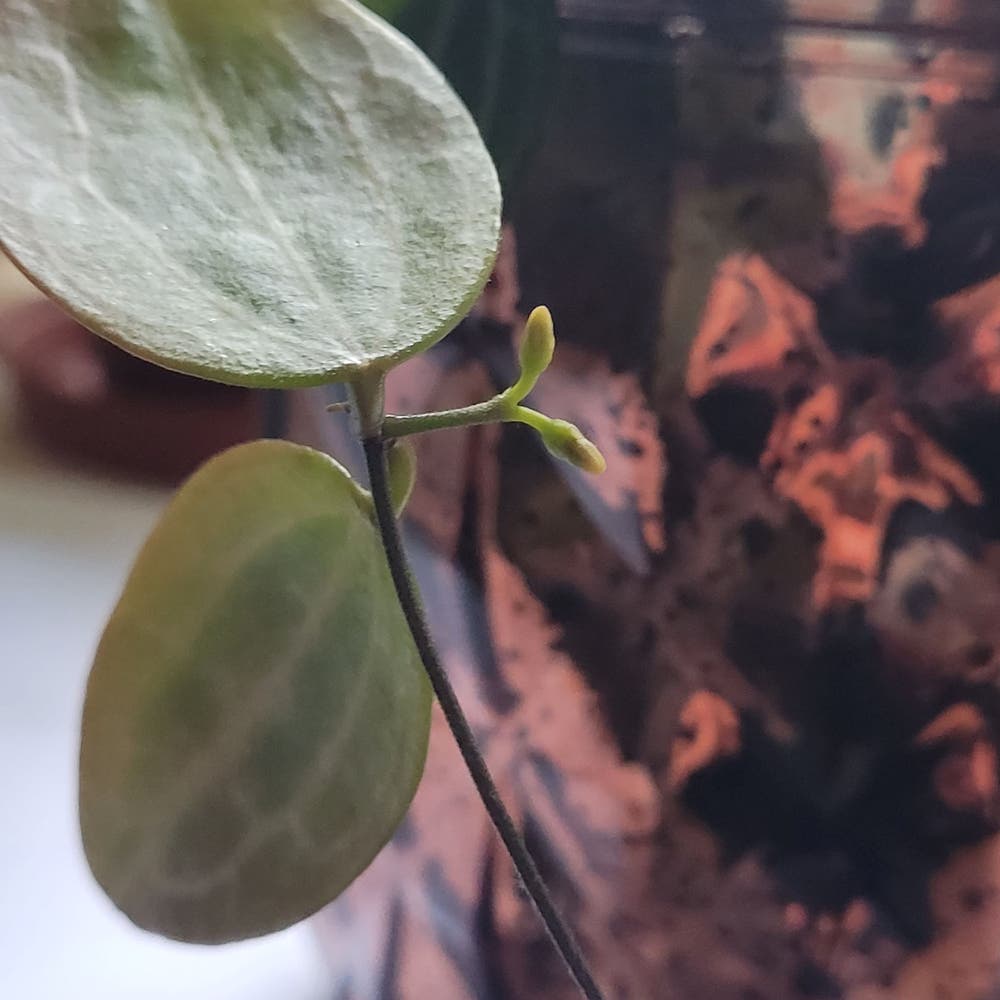
The budding stages of Watermelon Dischidia are a telltale sign of its health. Look for small flowers nestled between a leaf and the stem, a sign that your plant is thriving. If you notice the foliage taking on a reddish hue, it's likely due to direct sunlight exposure, which is beneficial for flower development.
🌼 The Blooming Season
Watermelon Dischidia typically enters its blooming season during the warmer months. This is when the plant is most responsive to the right conditions of light and care. If you're eager to see those elusive flowers, mark your calendar for the spring and summer, when nature works its magic on these striped beauties.

The Secret Sauce to Encourage Flowering
💡 Light: The Right Glow for Growth
Lighting is the maestro of the Watermelon Dischidia's blooming ballet. To hit the sweet spot, ensure your plant gets bright, indirect light. Direct sunlight? Think sunburnt leaves. Too dim? You'll get a foliage fest with no flowers in sight. Rotate your plant to avoid lopsided growth and to encourage even blooming. If natural light is playing hard to get, consider grow lights as your plan B.
🍽️ The Balancing Act of Fertilization
When it comes to fertilizer, think of it as a pep talk for your plant. A balanced fertilizer is your go-to, applied with the finesse of a half-strength dose during the growing season. It's like a nutrient nudge, saying, "Hey, how about some flowers?" But hold your horses—overfeeding can backfire, leaving you with a lush, leafy, bloom-less plant. If you're feeling organic, a scoop of compost or a splash of fish emulsion can work wonders, enriching the soil and setting the stage for those elusive blooms. Remember, the N-P-K ratio is the secret handshake here; too much nitrogen and you're in the greenery business, so aim for a mix that's high in phosphorus to get those flowers popping.

Interpreting the Message of the Blooms
🌺 The Plant's Health and Vigor
Healthy flowers are like a thumbs-up from your Watermelon Dischidia; they signal that you've nailed the care routine. Look for vibrant petals and sturdy stems—they're the plant's way of saying, "I'm feeling great!" Discoloration or wilting, on the other hand, might hint at underlying issues, from pests to improper watering.
Emotional and Symbolic Meanings
Watermelon Dischidia blooms are more than just eye candy; they carry an emotional weight. In the realm of plant symbolism, these rare flowers can be seen as tokens of personal achievement, given their elusive nature. They resonate with the joy of a challenge met and conquered. Beyond personal spaces, they could serve as a subtle nod to resilience or growth in communal areas, reminding onlookers of nature's tenacity.

Troubleshooting Flowering Frustrations
🌼 Common Issues Preventing Flowering
In the quest for Watermelon Dischidia blooms, it's not uncommon to hit a few snags. Let's tackle the usual suspects head-on.
Lighting missteps can leave your plant in a perpetual vegetative state or, conversely, scorch it into submission. Aim for that sweet spot of bright, indirect light. Too little and your plant's just lounging, too much and it's begging for mercy.
Watering is a delicate dance. Overzealous watering invites root rot, while a stingy regimen leaves your plant thirsting for more. The goal? Moist, well-draining soil that's never waterlogged nor bone dry.
Temperature extremes are a no-go. Your Dischidia isn't a fan of sauna-like heat or chilly drafts. Keep the environment consistent, or you'll be met with stubborn silence instead of blooms.
Pests like aphids and mealybugs are the party crashers of the plant world. Regular check-ups and prompt evictions are key to maintaining a bloom-friendly space.
🌸 Tips to Get Back on the Blooming Track
Now, let's pivot to getting those flowers back on schedule.
Soil should be your plant's best friend. Ensure it's well-aerated and rich in organic matter. The right mix will feel like home for your Dischidia's roots, setting the stage for flowering.
Fertilization: It's a balancing act. A heavy hand with fertilizer leads to lush leaves but no show. Go for a balanced, half-strength fertilizer during the growing season to encourage those elusive flowers.
Pruning: Sometimes, tough love is necessary. Snip away dead or overgrown branches to redirect your plant's energy towards blooming. It's like a haircut that rejuvenates.
Patience: Remember, plants are not on our schedule. Sometimes, despite all efforts, they bloom on their own sweet time. Give your Dischidia the chance to mature, like waiting for a fine wine to reach its peak.
By addressing these factors, you're setting the stage for a botanical show. Keep your gardening gloves on and your patience at the ready.
⚠️ Safety First
This content is for general information and may contain errors, omissions, or outdated details. It is not medical, veterinary advice, or an endorsement of therapeutic claims.
Always consult a qualified healthcare professional before using any plant as food, medicine, or supplement.
Never eat any plant (or feed one to pets) without confirming its identity with at least two trusted sources.
If you suspect poisoning, call Poison Control (800) 222-1222, the Pet Poison Helpline (800) 213-6680, or your local emergency service immediately.
Spotted an error? Please report it here.
Ensure your Watermelon Dischidia blooms magnificently 🌼 with Greg's personalized care reminders and expert tips tailored to your plant's needs.