🍉 3 Facts About Dischidia Pollination
Dischidia ovata
By the Greg Editorial Team
Oct 17, 2024•6 min read
This article was created with the help of AI so we can cover more plants for you. May contain errors. See one? Report it here.
Boost your gardening success 🌼 by mastering Watermelon Dischidia's unique pollination methods for vibrant, fruitful plants!
- 🌼 Watermelon Dischidia can self-pollinate, thriving even in isolated environments.
- 🐝 Cross-pollination boosts genetic diversity, leading to healthier plants.
- 🌿 Creating a pollinator-friendly garden enhances pollination success and ecosystem health.
Self-Pollination vs. Cross-Pollination
Pollination Type 🌼
Watermelon Dischidia is a fascinating plant that showcases both self-pollination and cross-pollination. This duality is essential for gardeners and plant enthusiasts to understand, as it directly impacts fruit and seed production.
Self-pollination occurs when pollen from the same flower fertilizes its ovules. This method can be particularly beneficial in isolated environments where pollinators are scarce. On the other hand, cross-pollination involves pollen transfer between different flowers, often leading to greater genetic diversity and healthier plants.
Balancing these two methods is crucial for effective plant care. By fostering an environment that supports both self and cross-pollination, you can maximize your Watermelon Dischidia's yield and vitality. Understanding this balance not only enhances your gardening skills but also deepens your appreciation for the intricate processes of nature.
As we delve deeper into the flower structure, we’ll see how these characteristics play a pivotal role in the pollination process.
Flower Structure
Description of Flower Characteristics 🌼
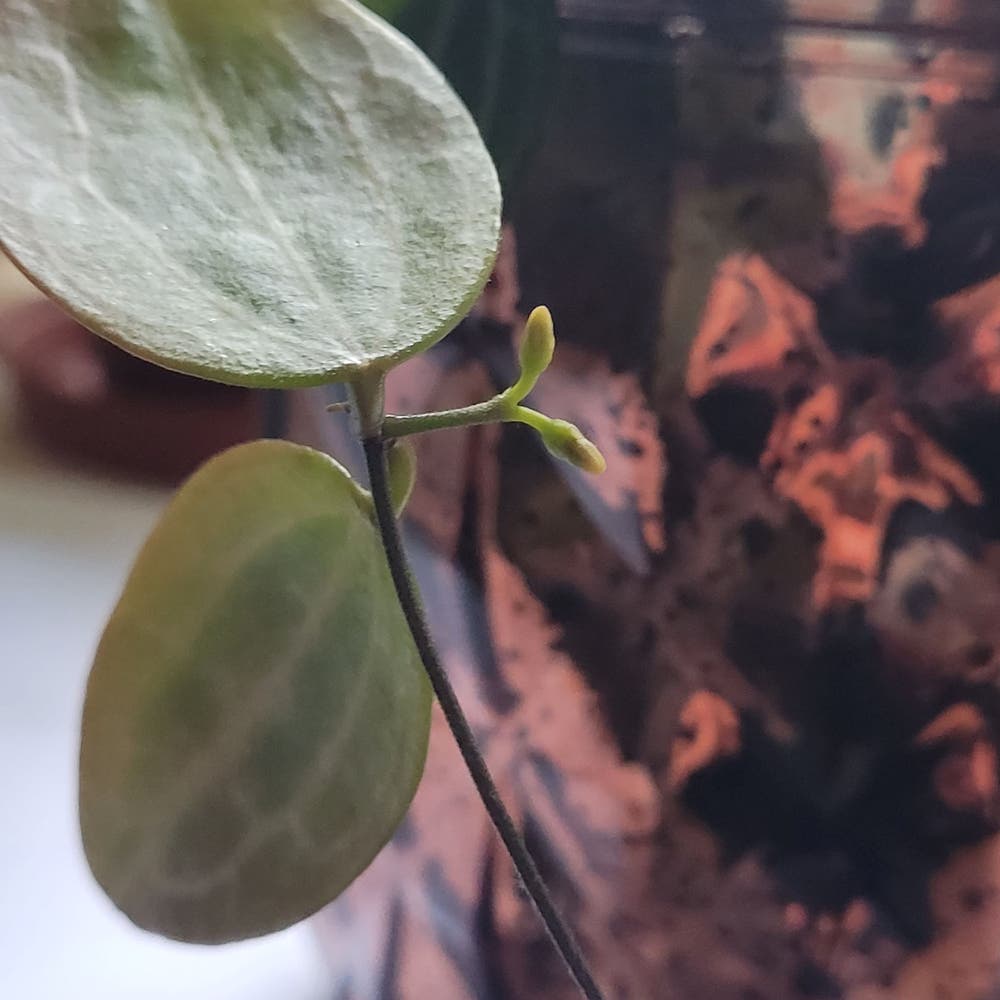
Watermelon Dischidia boasts small, star-shaped flowers that are a delight to behold. Typically, these blooms are white or pale yellow, creating a subtle yet charming display.
The flowers grow in clusters, which is a smart design choice. This arrangement makes it easier for pollinators to access multiple flowers at once, increasing the chances of successful pollination.
Role of Flower Structure in Pollination 🐝
The structure of these flowers plays a pivotal role in attracting specific pollinator species. By producing nectar and arranging petals in an inviting manner, Watermelon Dischidia enhances its appeal to bees and butterflies.
These features not only draw in pollinators but also boost the likelihood of effective pollen transfer. Understanding this relationship is key to appreciating how these plants thrive in their environments.
With a solid grasp of flower structure, you can better support the pollination process and ensure a fruitful growing season. Next, let’s dive into the fascinating mechanisms of self-pollination and the role of primary pollinators.
Pollination Process
Mechanisms of Self-Pollination 🌱
Watermelon Dischidia has a unique ability to self-pollinate. Its flower structure allows pollen to transfer within the same flower, ensuring that even in isolation, the plant can produce seeds effectively.
Self-pollination is particularly beneficial in environments where pollinators are scarce. This method increases seed production, making it a reliable strategy for survival.
Primary Pollinators and Their Role 🐝
Pollination isn't just about self-sufficiency; it's also about collaboration with nature. Key pollinators for Watermelon Dischidia include:
- Bees: These busy insects are drawn to the nectar and play a crucial role in cross-pollination by transferring pollen between flowers.
- Butterflies: Their feeding habits not only help in pollen transfer but also enhance genetic diversity within the plant population.
Understanding the interactions between these pollinators and Watermelon Dischidia is vital. Supporting these species can significantly boost the plant's reproductive success, leading to healthier growth and more abundant fruit.
With a solid grasp of both self-pollination and the role of pollinators, you're well-equipped to nurture Watermelon Dischidia effectively. Next, let’s explore how to enhance pollination through hand pollination techniques.
Hand Pollination
Step-by-Step Instructions for Hand Pollination 🌼
Hand pollination can significantly boost the success of your Watermelon Dischidia. Here’s how to do it effectively:
Identify male and female flower parts:
- Male: Look for the stamens, which produce pollen.
- Female: The pistil is the part that receives pollen.
Collect pollen:
- Gently tap or brush the stamens with a small tool, like a cotton swab, to gather the pollen.
Transfer pollen:
- Carefully apply the collected pollen to the stigma of the female flower.
Timing:
- For the best results, perform hand pollination during peak flowering times when the flowers are most receptive.
Identifying Male and Female Flower Parts 🔍
Recognizing the differences between male and female flowers is crucial. Male flowers usually have more prominent stamens, while female flowers feature a noticeable pistil.
Familiarizing yourself with these parts will make your hand pollination efforts much more successful. Understanding their roles not only enhances your gardening skills but also deepens your connection to the plant's reproductive process.
With these steps, you can ensure that your Watermelon Dischidia thrives and produces plenty of fruit. Next, let’s explore how to support pollinators in your garden for even better results.
Supporting Pollinators
🌼 Creating a Pollinator-Friendly Environment
To support the vital role of pollinators, start by planting a diverse array of flowering species. This variety attracts different pollinators, ensuring that your Watermelon Dischidia gets the attention it needs.
Avoiding pesticides is equally important. These chemicals can harm beneficial insects, disrupting the delicate balance of your garden ecosystem.
🐝 Companion Plants to Attract Pollinators
Companion planting can significantly enhance pollination success. Consider adding marigolds to your garden; they are excellent at attracting bees and butterflies.
Lavender is another fantastic choice. Its fragrant blooms draw in various pollinator species, creating a bustling environment that benefits your Watermelon Dischidia.
By fostering a pollinator-friendly space, you not only support these essential creatures but also boost the overall health and productivity of your plants.
As you cultivate this vibrant ecosystem, you'll find that understanding and nurturing pollinators leads to a more fruitful gardening experience. Next, let’s explore the challenges that can arise during the pollination process and how to overcome them.
Pollination Challenges
Common Obstacles to Successful Pollination 🐝
Pollination can be tricky for Watermelon Dischidia due to various environmental factors. Temperature fluctuations and humidity levels can significantly impact pollinator activity and flower viability.
Additionally, the decline of pollinator populations poses a serious challenge. Habitat loss and pesticide use have led to fewer pollinators, which can severely hinder successful pollination.
Solutions for Overcoming Pollination Challenges 🌼
Creating a diverse garden environment is essential for attracting various pollinator species. By planting a mix of flowering plants, you can provide food and habitat for bees, butterflies, and other beneficial insects.
Monitoring environmental conditions is equally important. Adjusting care practices, such as providing shade during hot spells or ensuring adequate moisture during dry periods, can enhance pollination success.
By taking these steps, you can support the health of your Watermelon Dischidia and foster a thriving ecosystem. This proactive approach not only benefits your plants but also contributes to the overall well-being of local pollinator populations.
⚠️ Safety First
This content is for general information and may contain errors, omissions, or outdated details. It is not medical, veterinary advice, or an endorsement of therapeutic claims.
Always consult a qualified healthcare professional before using any plant as food, medicine, or supplement.
Never eat any plant (or feed one to pets) without confirming its identity with at least two trusted sources.
If you suspect poisoning, call Poison Control (800) 222-1222, the Pet Poison Helpline (800) 213-6680, or your local emergency service immediately.
Spotted an error? Please report it here.
Unlock the secrets of Watermelon Dischidia pollination 🌱 by using Greg's tailored tips to attract pollinators and boost your plant's yield!